The Reason Why Your Kitchen Never Stays Organised
A week of holiday cooking reminded me why kitchen storage matters so much.
It's 7 pm, dinner's half-started, and you're hunting for a bowl to mix the sauce in.
You crouch down, peer into the dark abyss of a base cabinet, and start pulling things out like you're excavating an archaeological site.
Casserole dish. Slow cooker. That weird steamer basket you used once in 2022.
Finally, you find the pan. It was wedged behind the food processor, naturally.
Meanwhile, your pasta water has boiled over.
And here's what I've learned after years of designing kitchens:
Most kitchens don't feel chaotic because they're small.
They feel chaotic because storage decisions were made without thinking about how you actually use the space.
Let me walk you through the biggest offenders.
The Base Cabinet Problem
Traditional base cabinets are the default in most kitchens.
They're cheaper. Builders love them.
But they create deep, dark caves where cookware and sauce go to die.
You can't see what's in there. You can't reach what's in there. So you end up buying a second spatula because you forgot you already own four.
The fix? Drawers everywhere (except under the sink and corners).
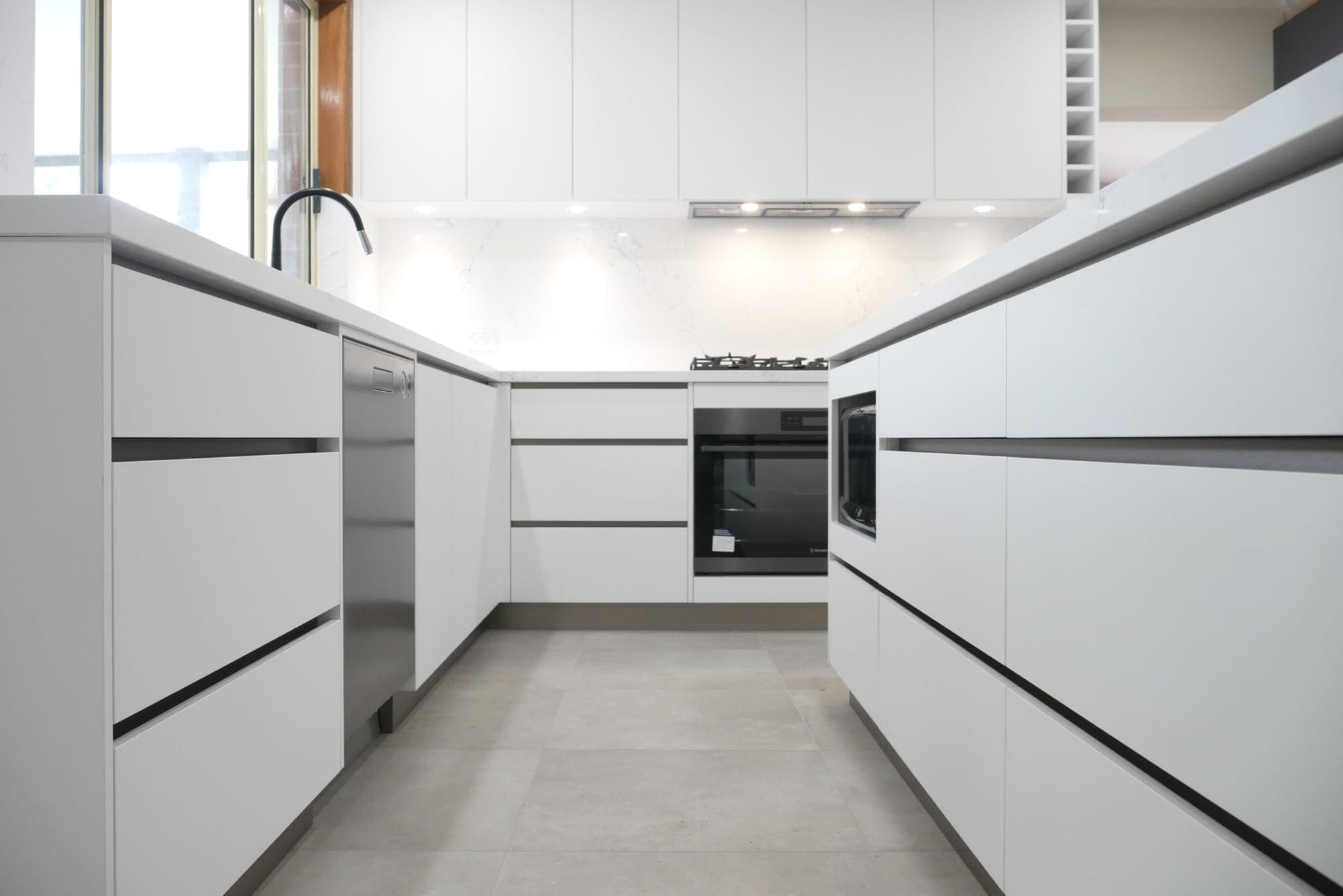
Harrington Kitchens
Yes, they cost more upfront. But they let you see everything at a glance. No more archaeological digs.
If you're renovating, aim for:
A wide 3-drawer bank for pots, pans, and small appliances
A narrower 4-drawer bank for utensils and odds and ends
Varying drawer heights so tall blenders and short plates each have a proper home
Already stuck with cabinets?
Pull-out shelving and Lazy Susans can help. Not perfect, but a massive improvement.
The Dust and Grease Shelf
You know that gap between the top of your cabinets and the ceiling?
That wasn't a design choice. It's usually a leftover from old building standards and cost-cutting (unless you have a double-height ceiling).
And it becomes a grease-coated shelf for things you'll never use again.
If you're renovating, take your cabinets all the way up.
Full-height cabinetry or stacked cabinets both work brilliantly.
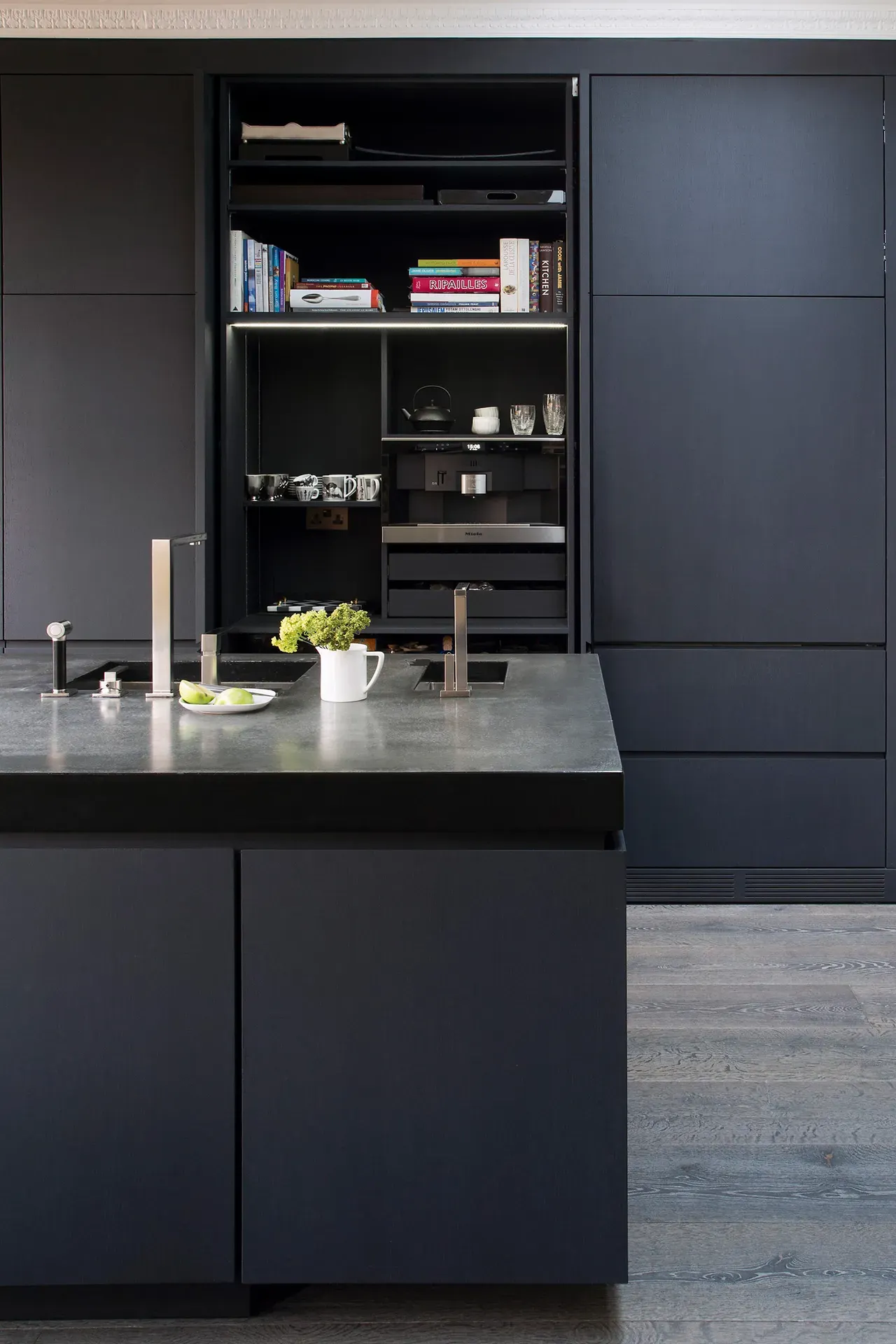
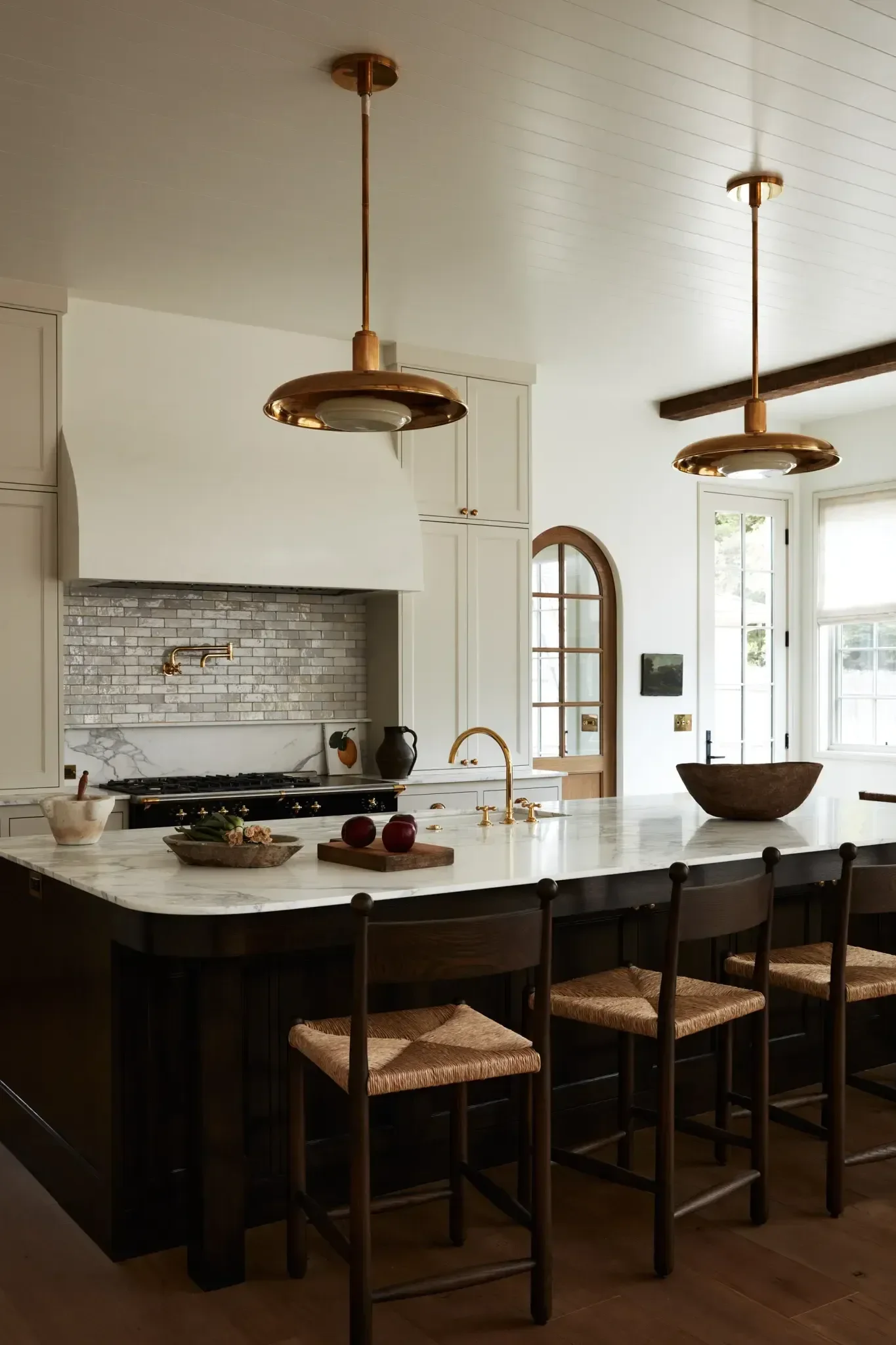
Paul Raeside (left) & Molly Kidd Studio (right)
If you're stuck with the gap, you've got options:
Build a soffit or bulkhead and paint it to blend in
Add crown molding if the gap is small
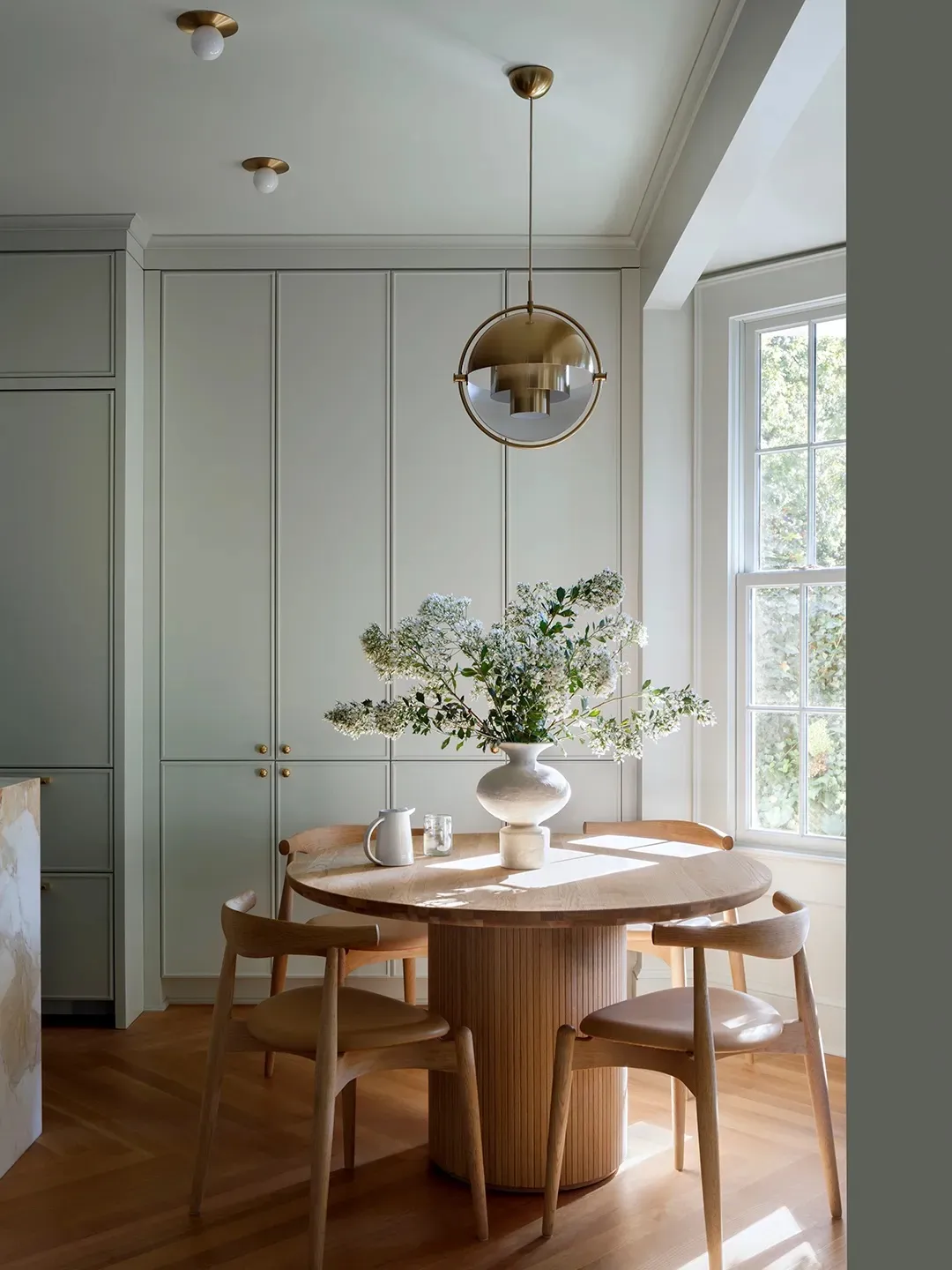
They’ve added crown molding here. Credit: Nicholas Potts
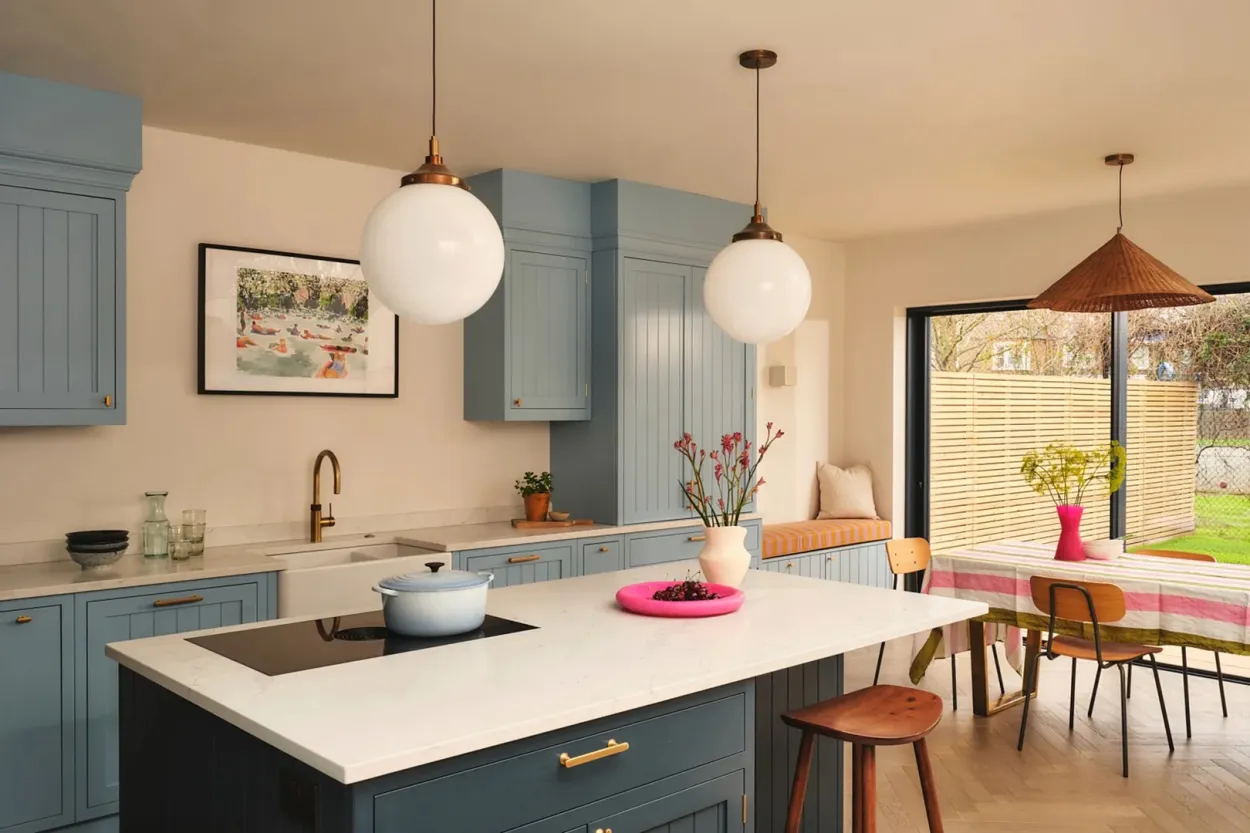
And if none of that's possible? Just leave it empty. I beg you. Don't turn it into a junk shelf for fake plants and decor.
The "Everything Everywhere" Approach
When your cookware, dishes, pantry items, and appliances are scattered randomly throughout your kitchen, every task becomes a marathon.
You're walking back and forth, opening cabinet after cabinet, trying to remember where you put the olive oil.
Instead, group items by task:
Cookware and utensils near the cooktop
Plates and glasses near the dishwasher
Pantry items near your prep area
This sounds obvious. But almost no one does it.
This is the exact system I use to keep my kitchen organised (it changed everything)
The Instagram Shelf Trap
Open shelving looks gorgeous in photos.
Styled cookbooks. Matching canisters. A single olive branch in a ceramic vase.
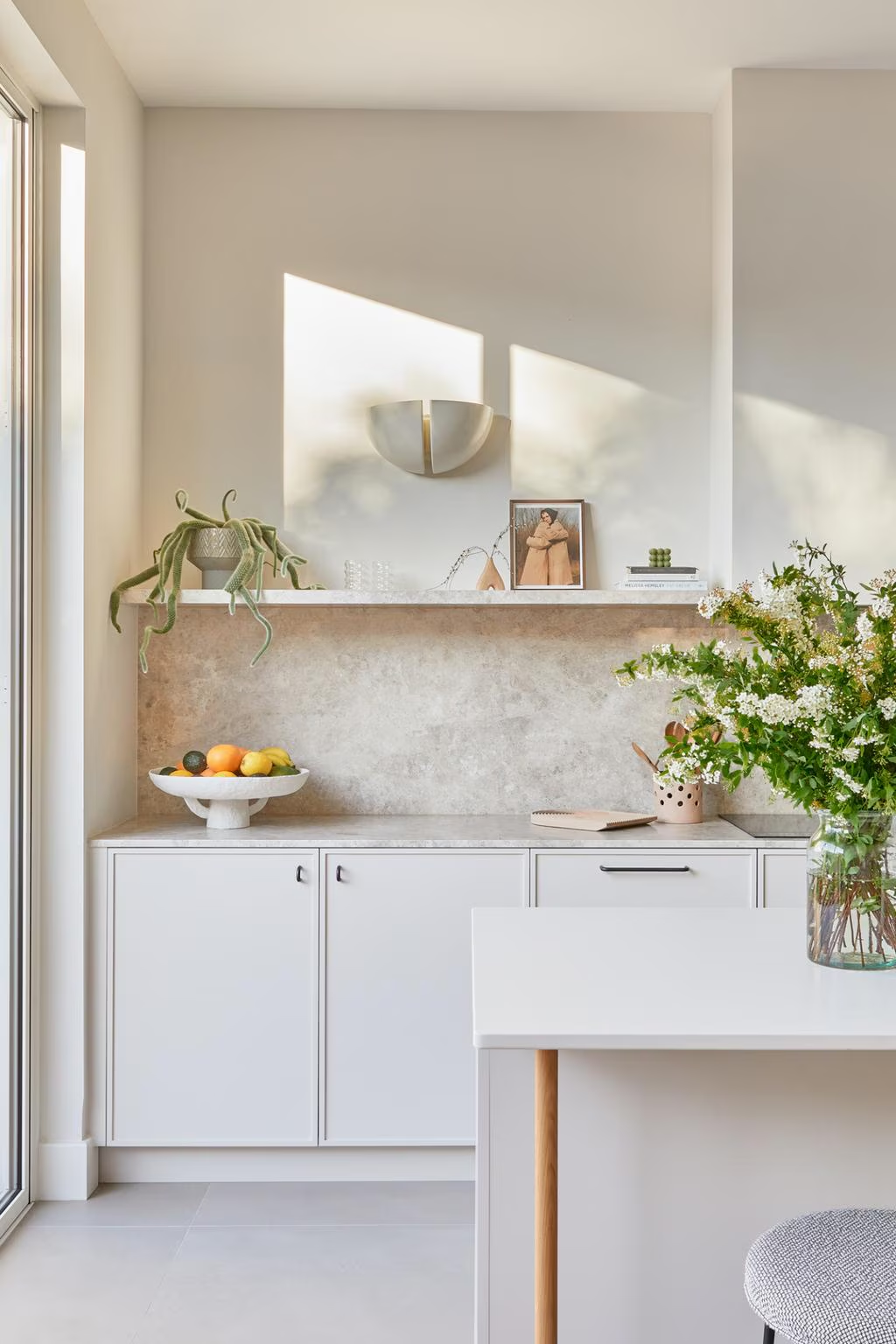
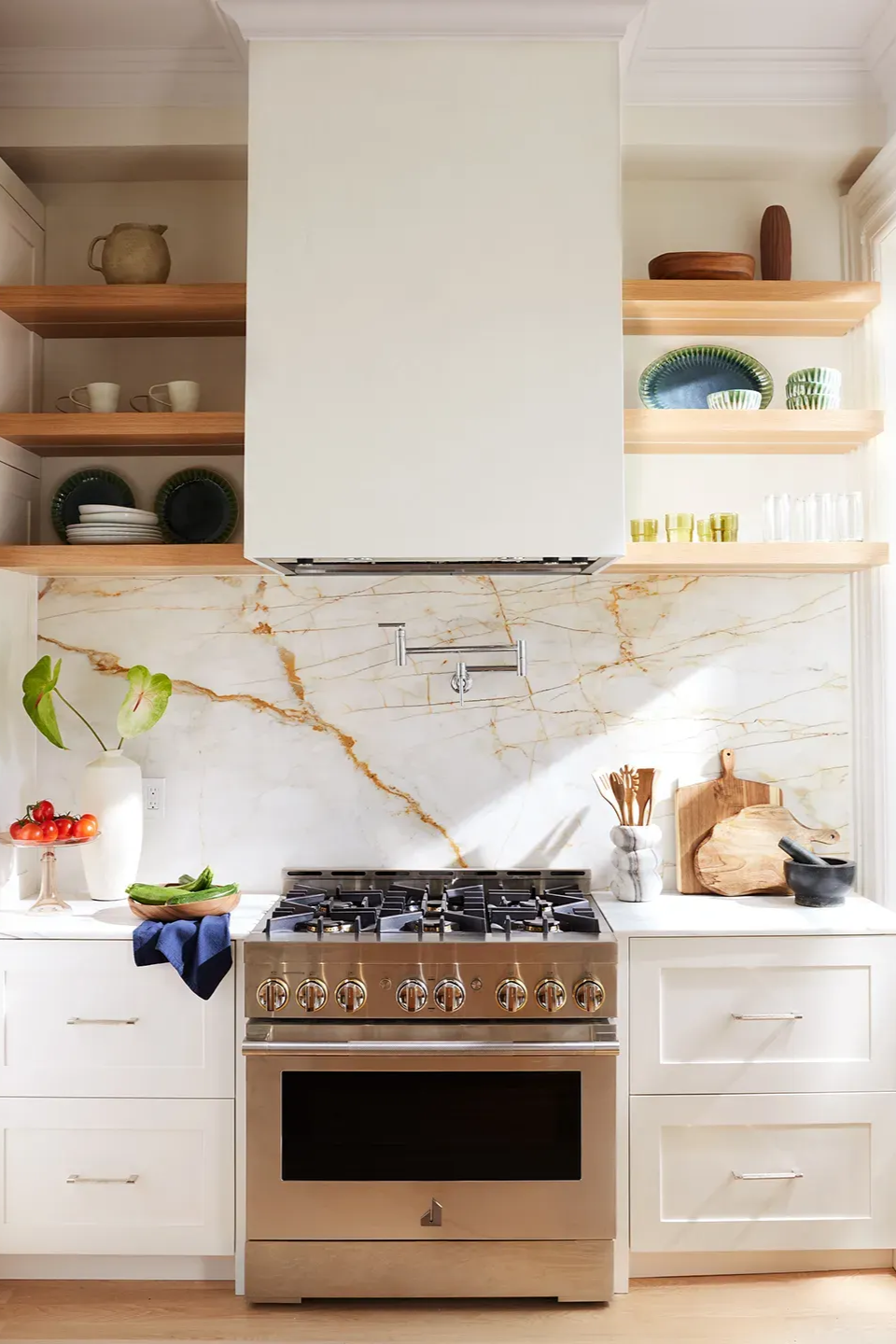
Nune (left) & Alvin Wayne (right)
But in real life? Every item is on display. Every day.
Which means you need everything to be tidy every single day.
And it's not just dust collecting on your things. It's grease.
This is a kitchen, after all.
I'm not saying use open shelving. But treat it as an accent, not your primary storage solution. A small section balanced with plenty of closed cabinets.
Good kitchen design isn't about how it looks in a photo.
It's about how it feels at 7 pm on a Tuesday when you're tired, hungry, and just trying to make dinner.