4 Tricks To Instantly Make ANY Home Feel Brighter
Most people think they have a "dark house."
But most just have a badly planned house.
I see this constantly - clients convinced their homes are cursed with poor natural light when really, they've just arranged everything backwards.
Because here's what most people miss:
Light isn't just about windows. It's about strategy.
Where you place your rooms, how you arrange furniture, even what you put in front of the sun - all of it changes how bright your home feels.
Let me show you the four moves that can transform any space...
Stop letting plumbers design your life
Good architects and designers design homes around light.
But many homes today are laid out for pipes, not people.
The bathroom goes where the plumbing's cheapest. The kitchen follows the drains. Everything else? Squeezed into whatever's left.
No wonder half our homes feel backwards.
Here’s a classic rule that still works:
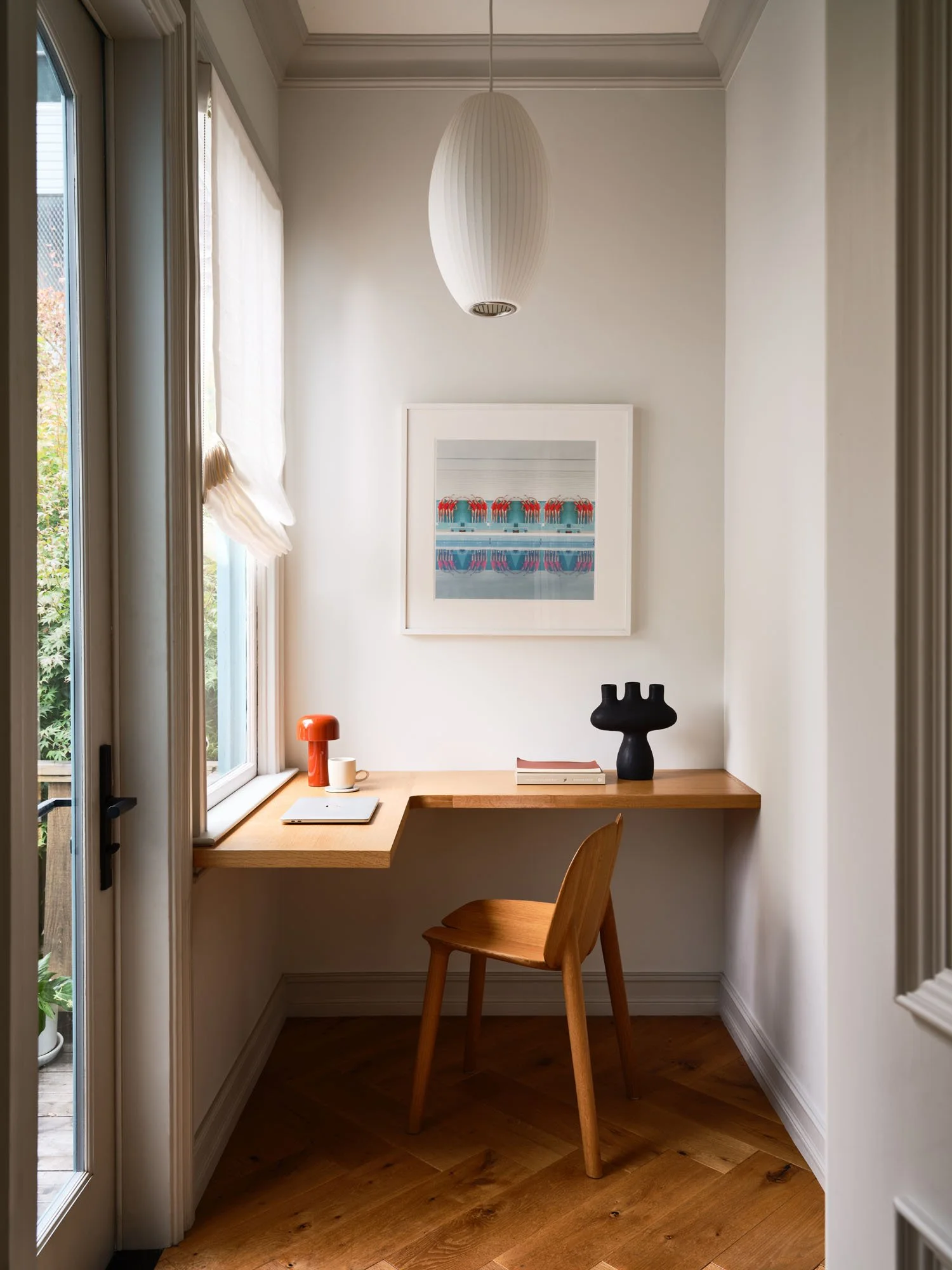
Morning sun (east) → bedrooms, breakfast nooks, home offices
Strongest daily light (north in southern hemisphere, south in northern hemisphere) → living rooms, play areas (happy kids), kitchen
Weaker light → laundry, bathrooms, storage
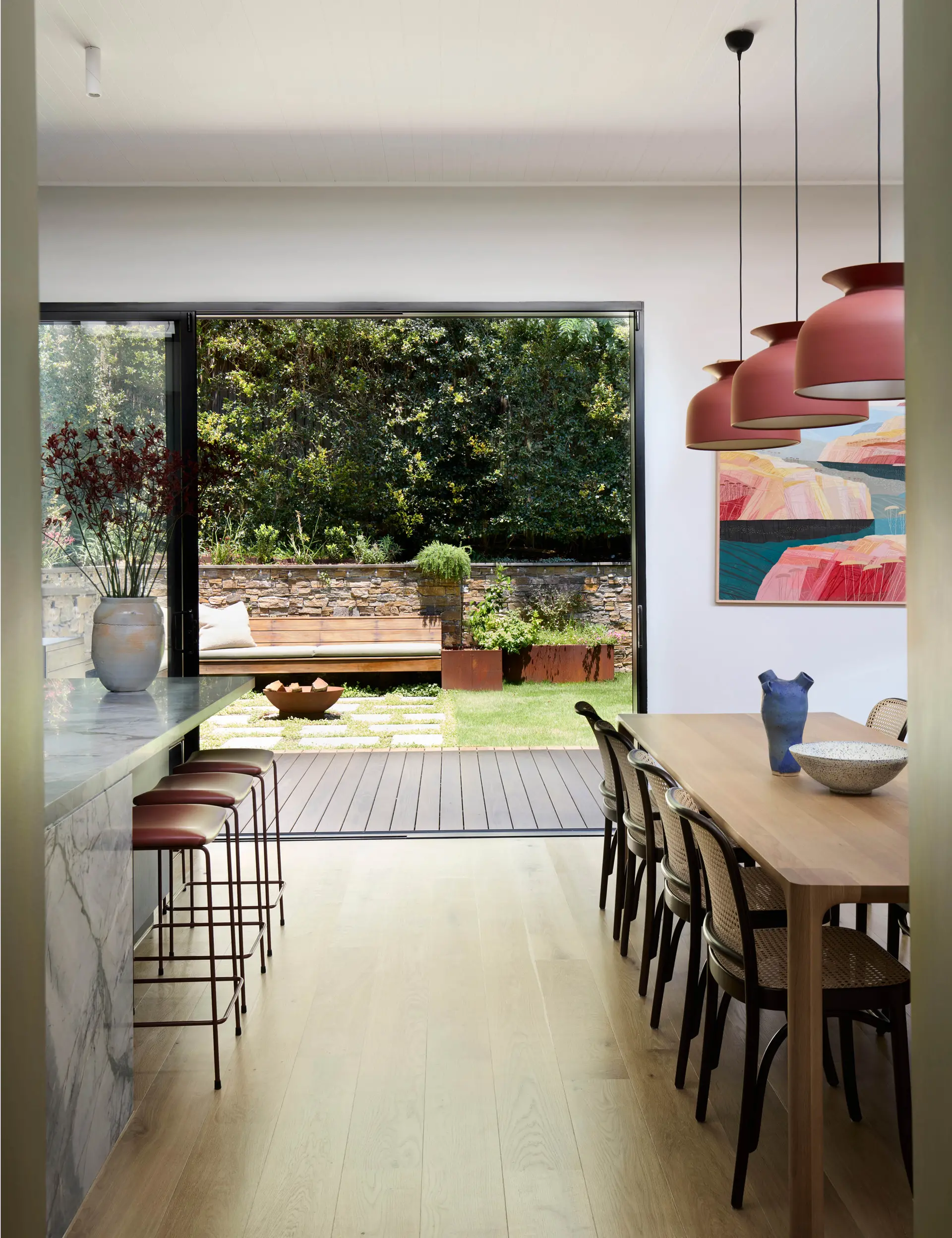
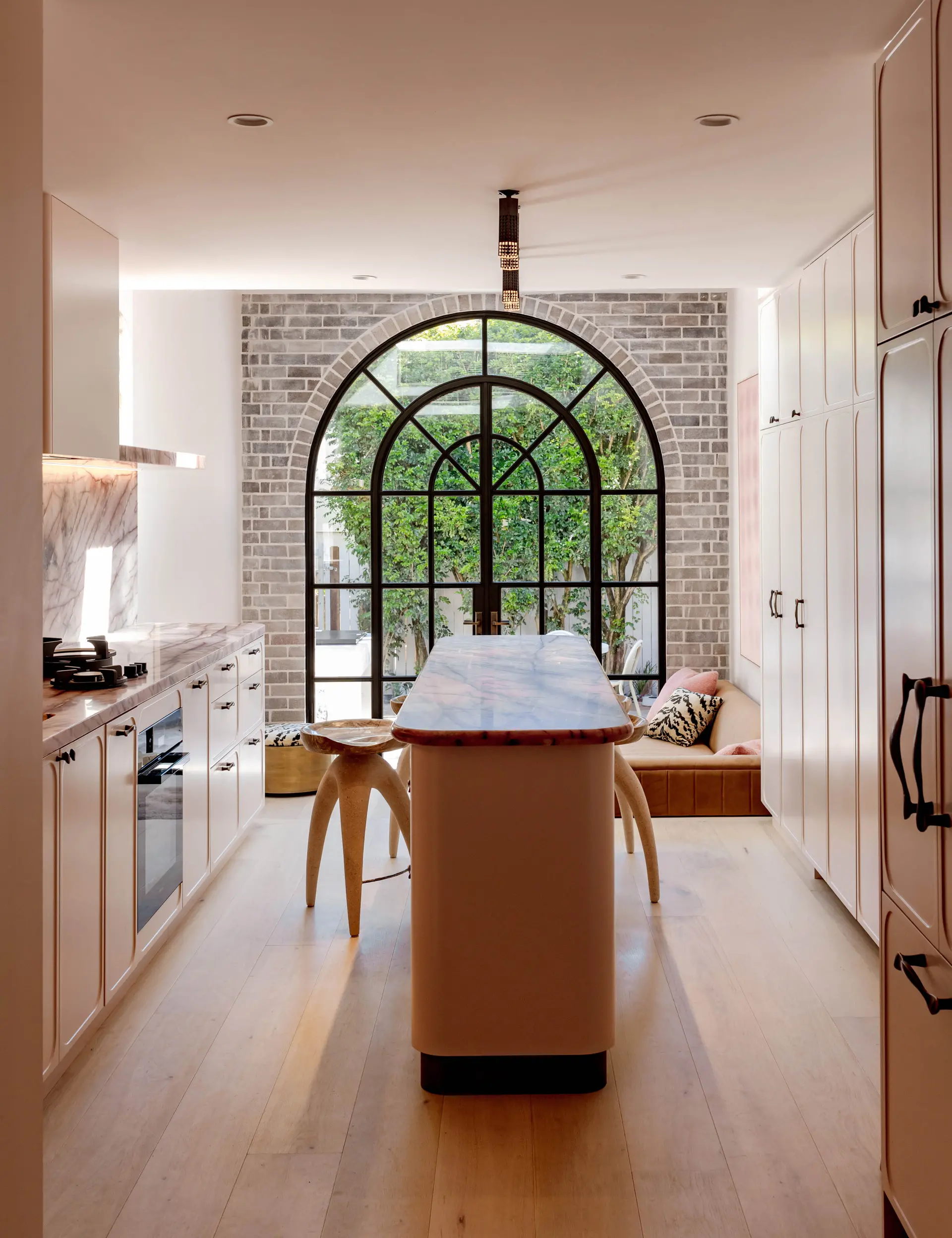
Credit: Prue Ruscoe (left) & Hannah Blackmore (right)
If you’re renovating or building, you can use an app like Shadowmap, which lets you analyse how sunlight and shadows move across a property at different times of day and year.
Can't move rooms around?
Fine. Move yourself instead.
Want to be productive? Put your desk where the morning light hits.
Love slow evenings? Place your sofa where you get that late-day glow.
Just because your builder decided that the living room goes in a dark corner doesn’t mean you have to keep living that way.
The open-plan controversy nobody mentions
Everyone's hating on open-plan layouts right now.
"Too noisy!"
"Can't hide the mess!"
"Where's the privacy?"
All valid.
But here's what they're missing:
Light travels.
In an open space, one sunny window can brighten three zones. In a closed box, that same light stays in the box.
If you’re stuck with a darker home, consider:
Removing a non-structural wall
Replacing a solid door with glass
Widening an opening
Using internal windows (a very underrated trick)
Even a slatted screen will let light slip through while keeping the sense of separation.
But here’s the twist: closed-plan layouts can be brighter too if you borrow light across rooms.
Here’s how to borrow light:
Glass doors between hallways and living rooms
A transom above a door
Frosted panes in the entry
Internal courtyard or light well
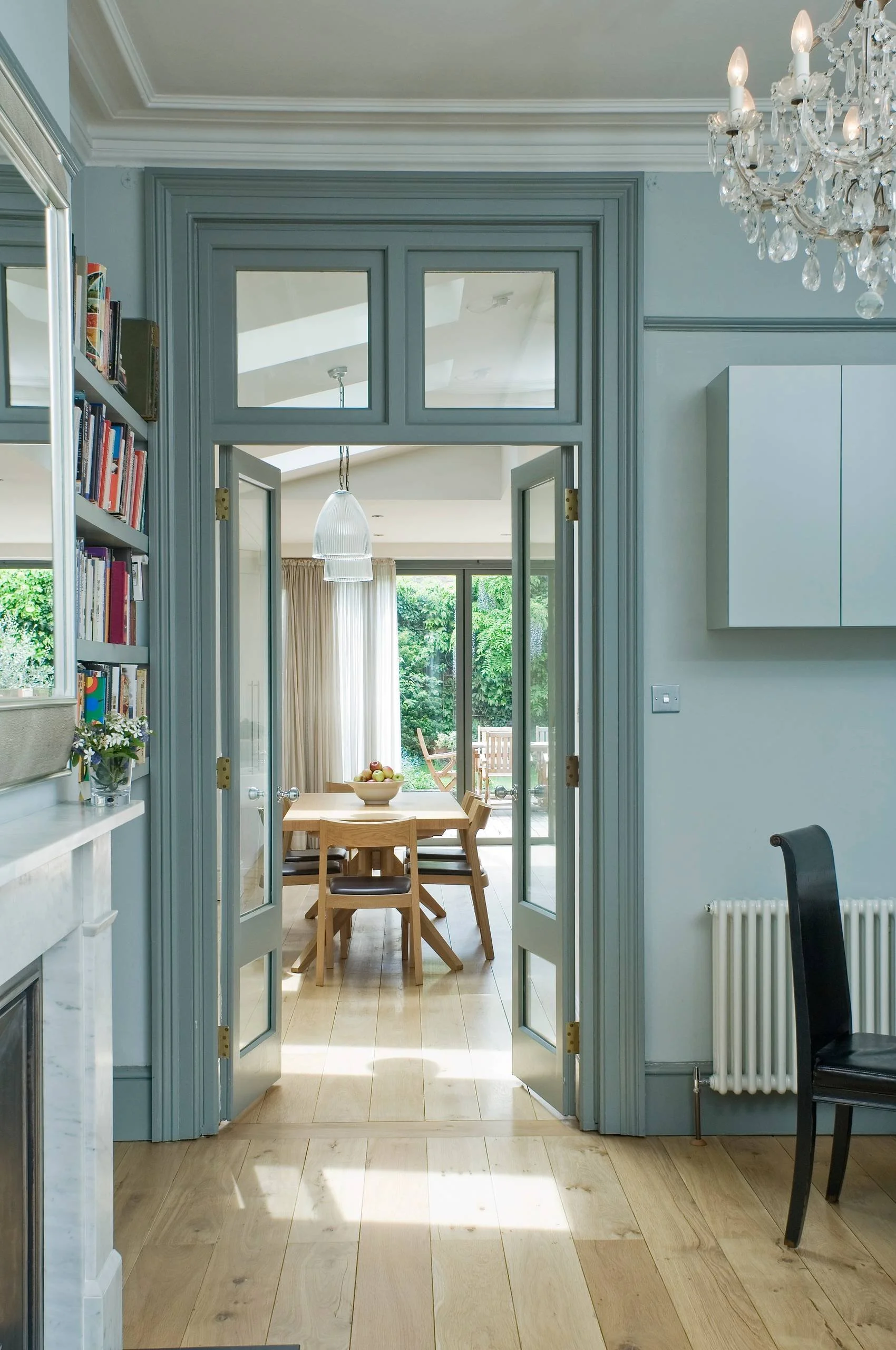
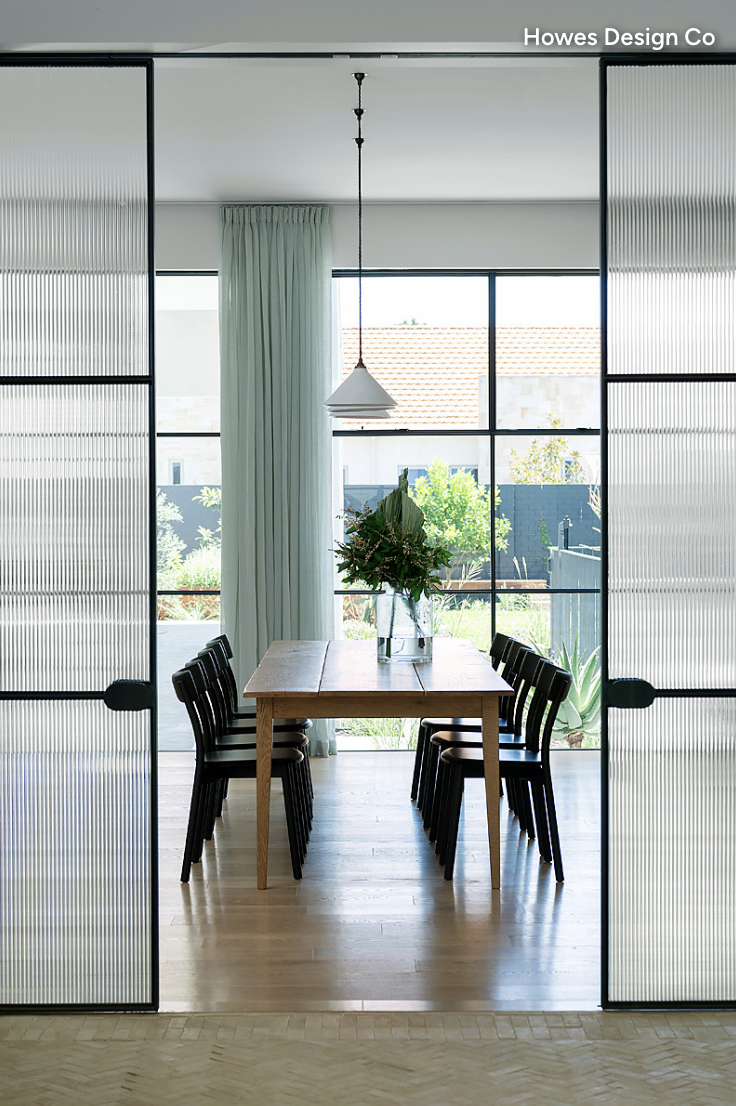
Credit: Jo Dew (left) & Howes Design Co (right)
Stop sabotaging your own sunlight
I'd estimate 50% of "dark" homes are just blocking their own light.
The usual crimes:
Furniture in front of the windows
Curtains that cover glass when "open"
Desks in the darkest corner (because that's where they "fit")
Here's how to fix it:
Curtains: Mount them wider than the window. When open, they shouldn't cover any glass. Sounds obvious. Most people still get it wrong.
Furniture placement: Put activities where light naturally falls. Desk by the window. Reading chair in the sunny spot. TV where it won't create glare.
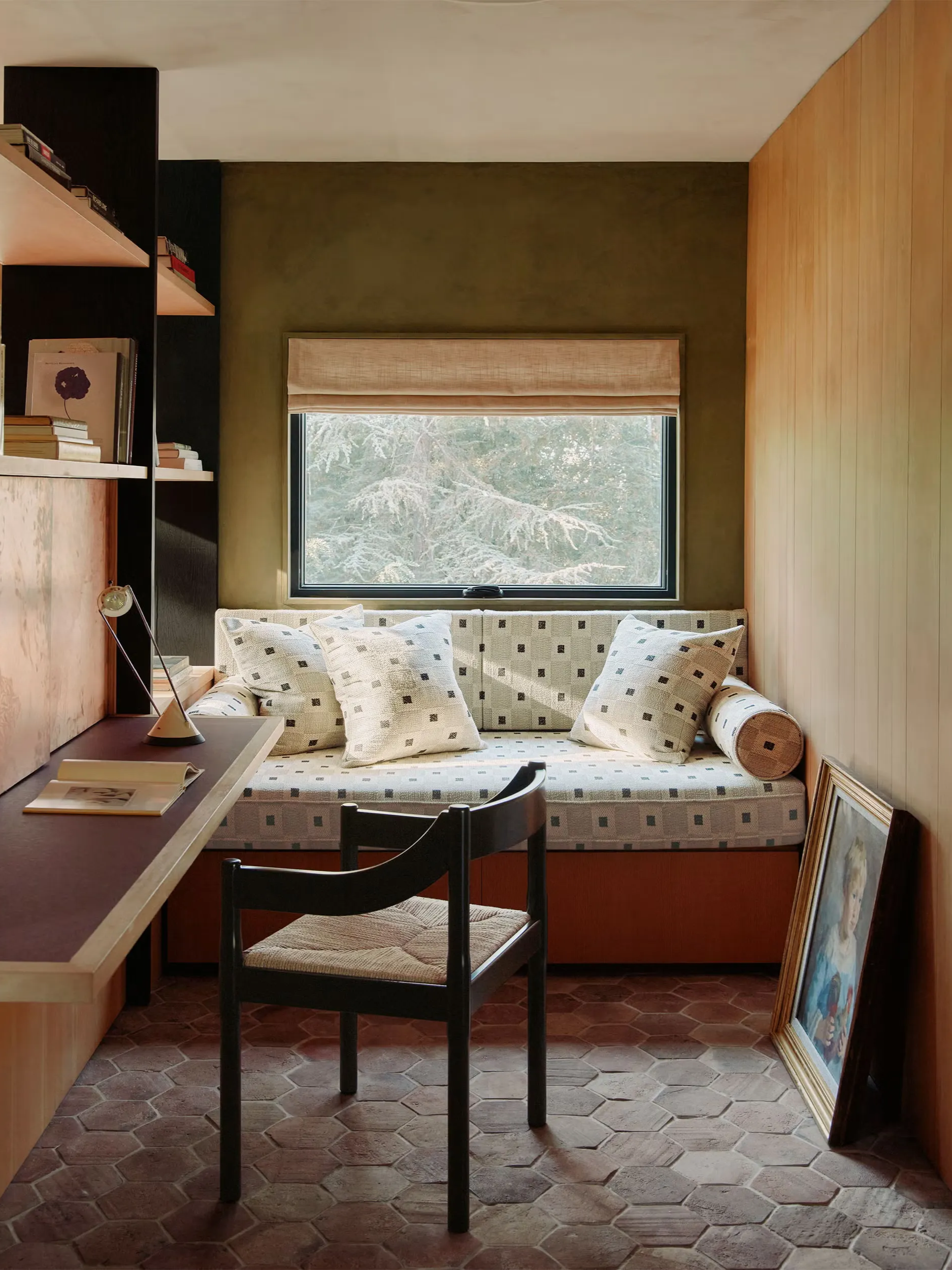
Credit: Studio Trovato (left) & William Jess Laird (right)
Choose leggy furniture: Light passes underneath. A sofa on legs feels airier than one squatting on the floor.
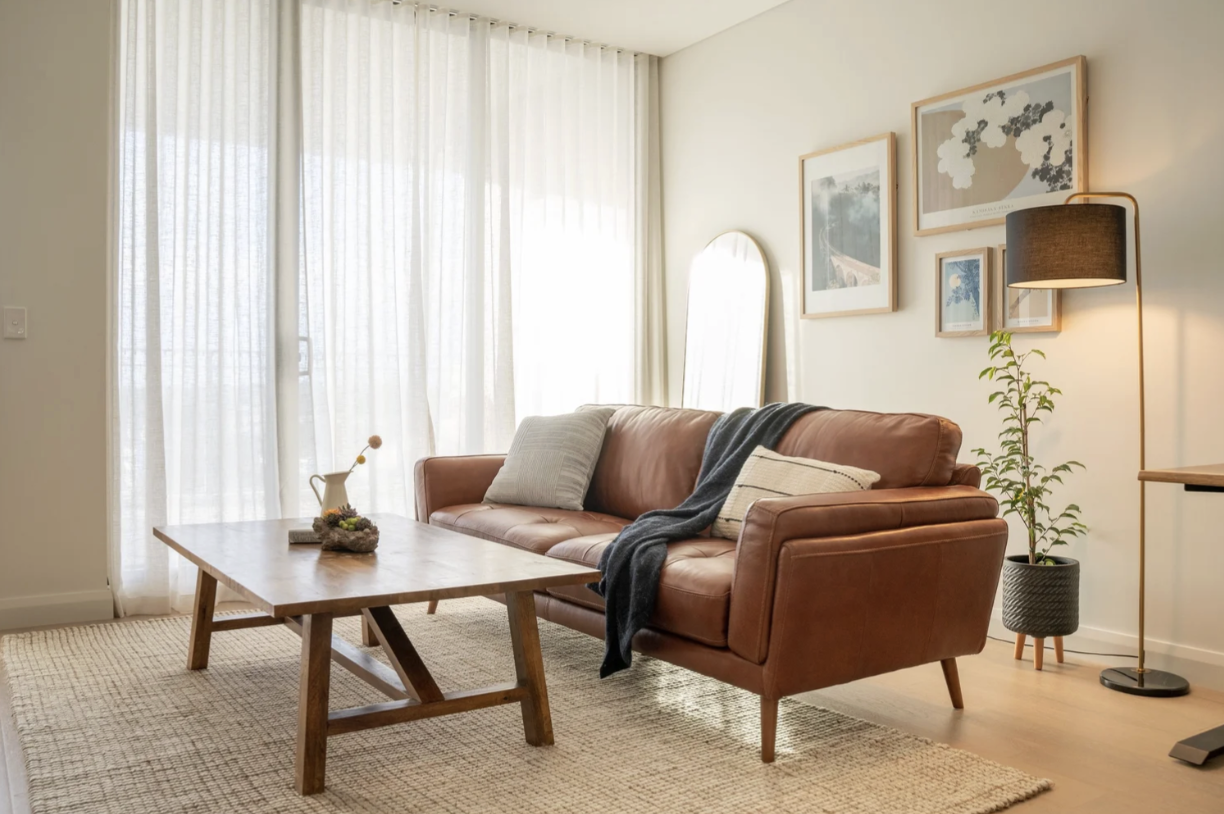
Project NG
The mirror trick that actually works
Everyone says, "Add mirrors to brighten a room."
Most people slap one on a random wall and wonder why nothing changed.
Here's the secret:
Mirrors only work when they have something bright to reflect.
Strategic placement:
Directly opposite a window (doubles the light)
Beside a window at 90° (catches and spreads light)
Opposite internal glass doors (borrows light from next room)
Where they'll catch artificial light at night
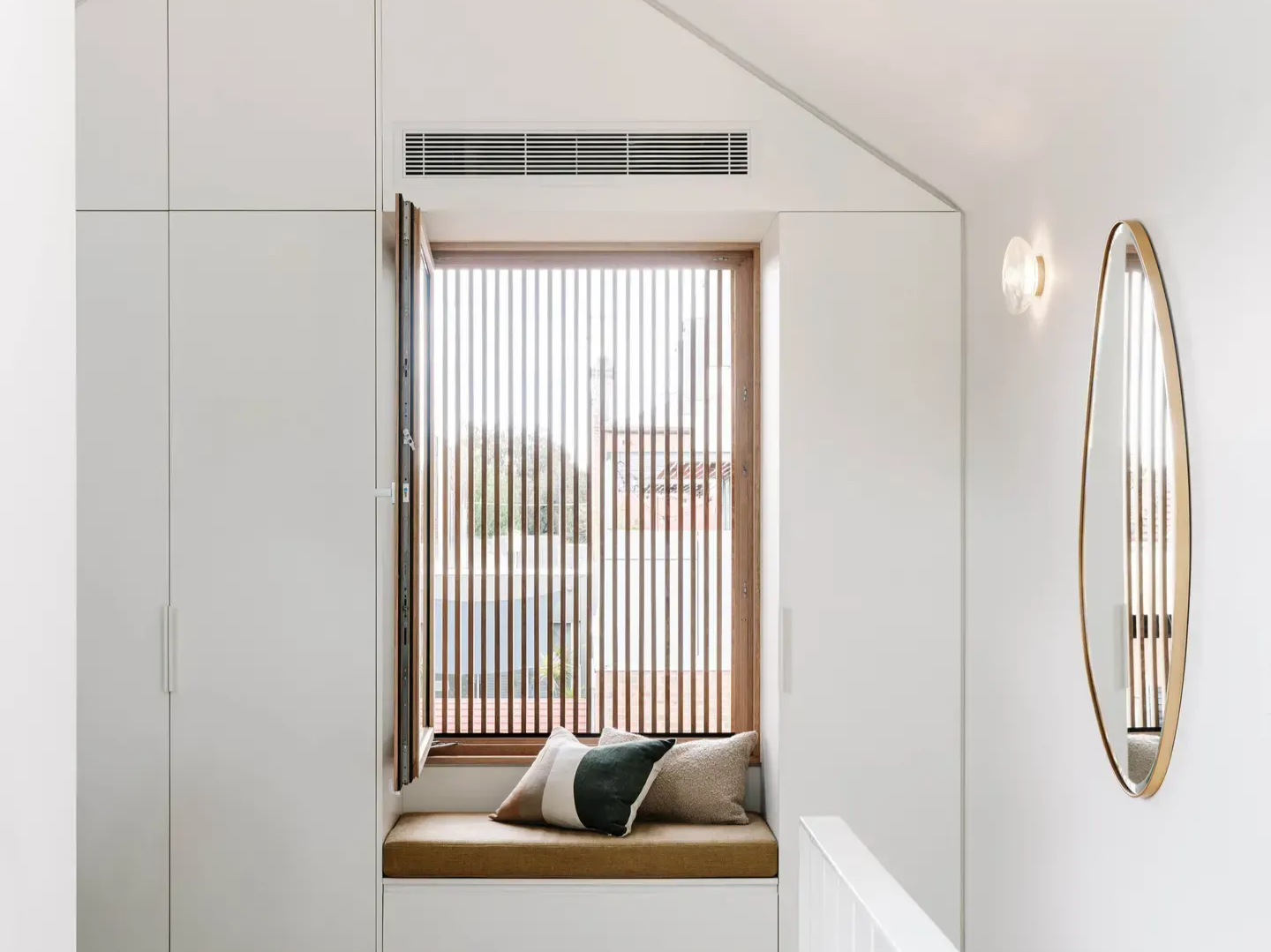
Imogen Pullar
But don't turn your lounge into a hall of mirrors.
One or two well-placed reflective surfaces work better than six random ones.
Glass coffee tables, metallic frames, glossy tiles - they all help bounce light around without screaming "I READ THIS IN A DESIGN BLOG."
Your homework (takes 5 minutes)
Walk through your home tomorrow.
Notice where natural light lands at different times.
Then ask yourself:
Am I doing important tasks in dark corners?
Could I swap room functions to match the light?
What am I accidentally blocking?
Where could borrowed light help?
That's it.
Cheers,
Reynard