This empire still influencing your home design till today
This week, we're exploring the intoxicating world of Turkish and Ottoman culture on modern-day design.
That ottoman footstool sitting in your living room? It bears the name of an empire that once stretched from modern-day Saudi Arabia to the outskirts of Vienna and lasted more than 600 years.
Over the centuries, Ottoman artists and craftspeople developed a bold design language, drenched in colour, and completely in love with pattern.
And whether you realise it or not, that language still echoes through interiors today.
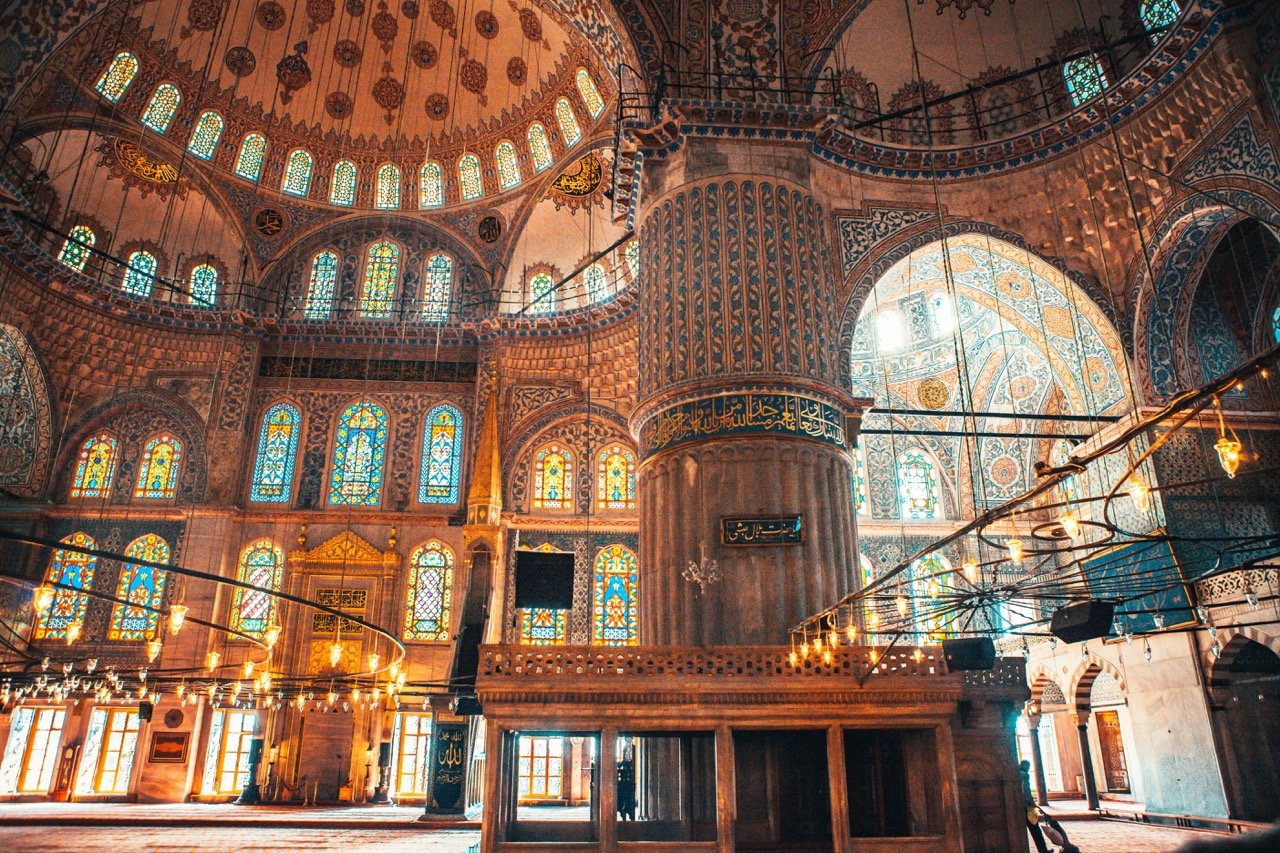
Raimond Klavins
A quick bit of context
I'll keep the history brief because this isn't a lecture.
But it matters because Ottoman design didn't come from nowhere.
Over six centuries, their craftspeople pulled from Byzantine, Persian, Arab, and Central Asian traditions. By the 16th century, they'd refined it all into something extraordinary.
We're talking hand-embroidered fabrics, intricate metalwork, and ceramic tiles so detailed you'd swear they were printed.
The royal workshops in Iznik produced quartz-laid tile designs that still line mosque walls in Turkey today.
Deep cobalt blues, olive greens, manganese purples, confident reds — all woven into geometric patterns across intimate pavilions and grand halls alike.
Their textile workshops embedded fine silk, cotton, and linen with lush floral and animal motifs.
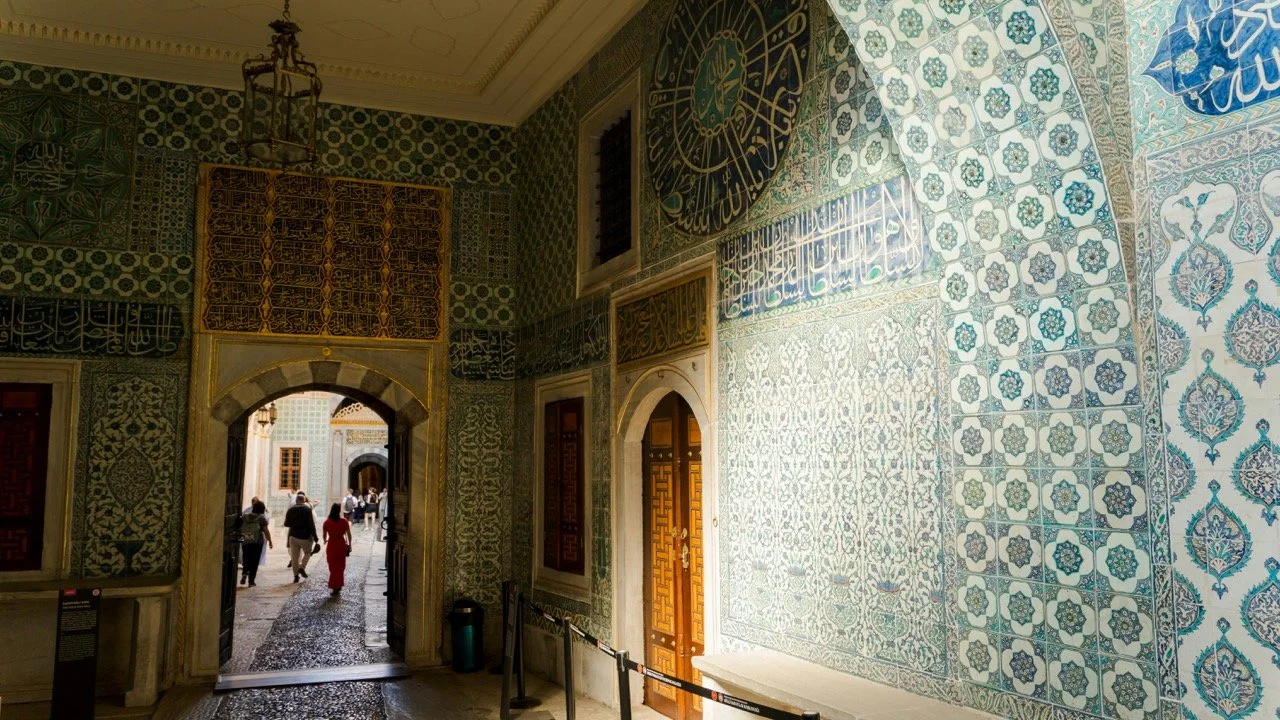
Swawish Rehman
What makes Ottoman design so compelling to me is how sensory it is. Every element was considered in relation to the feeling it would create, and those feelings were usually grandeur, power, and transcendence.
It was maximalist in the best way. Audacious. Unapologetic.
And three of its contributions are still shaping how we design our homes right now.
The Ottoman footstool
During Ottoman times, these low, cushioned pieces of sectional furniture were the main form of seating in communal gatherings — especially among sultans and high-ranking officials.
When they arrived in Europe in the late 18th century, they took on all kinds of shapes: thin and cylindrical, squat and rectangular, octagonal.
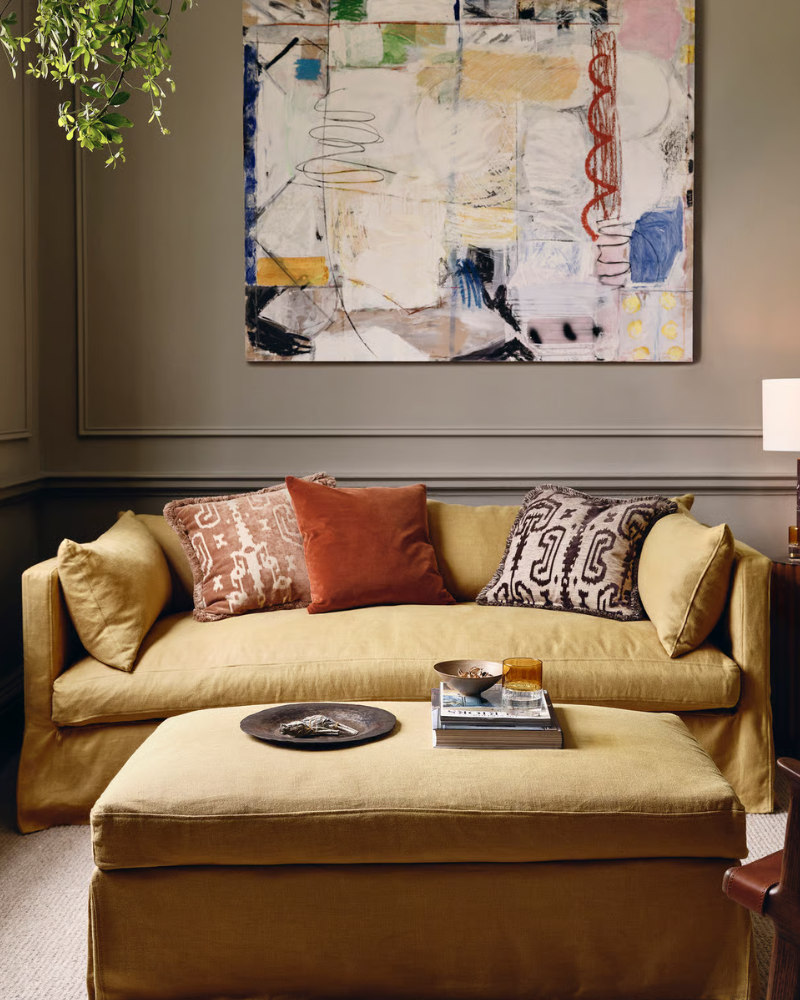
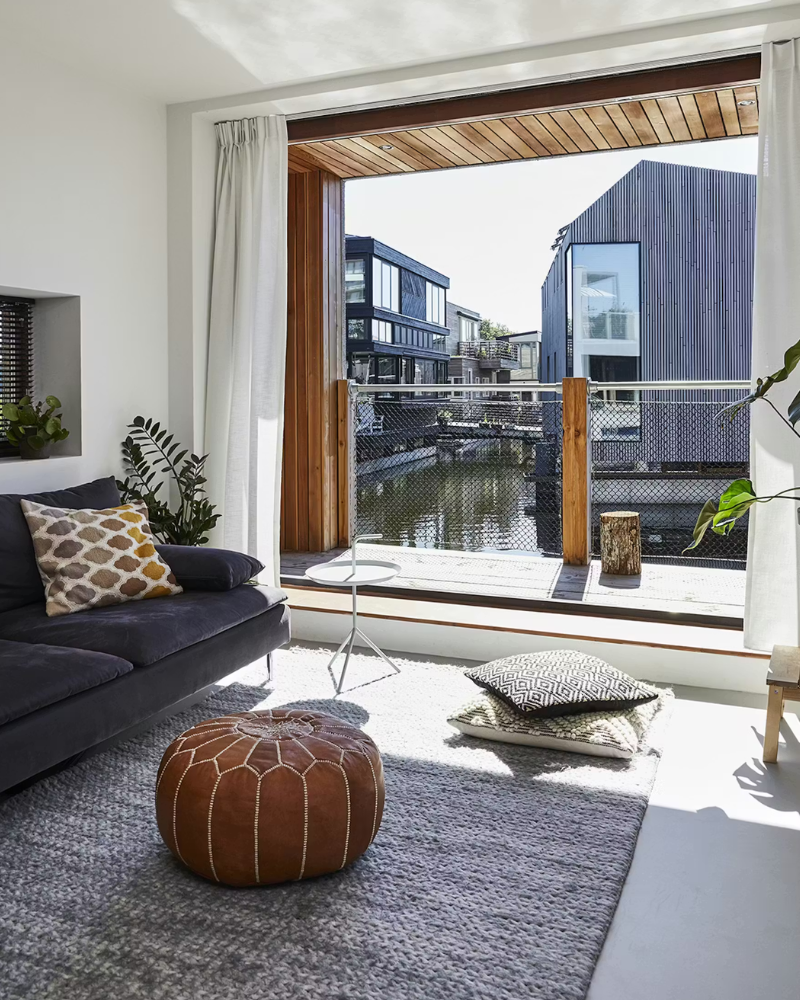
Soho Home (left) & Alan Jensen (right)
Today, they're one of the most versatile pieces of furniture you can own.
Use them as a bedside perch while getting dressed. A makeshift coffee table in the living room. Extra seating when guests arrive. In every case, they soften a room while making it more practical.
Design tip: Ottomans with a removable top double as hidden storage — brilliant for smaller spaces. And nesting coffee tables with an ottoman tucked underneath is another great space-saver.
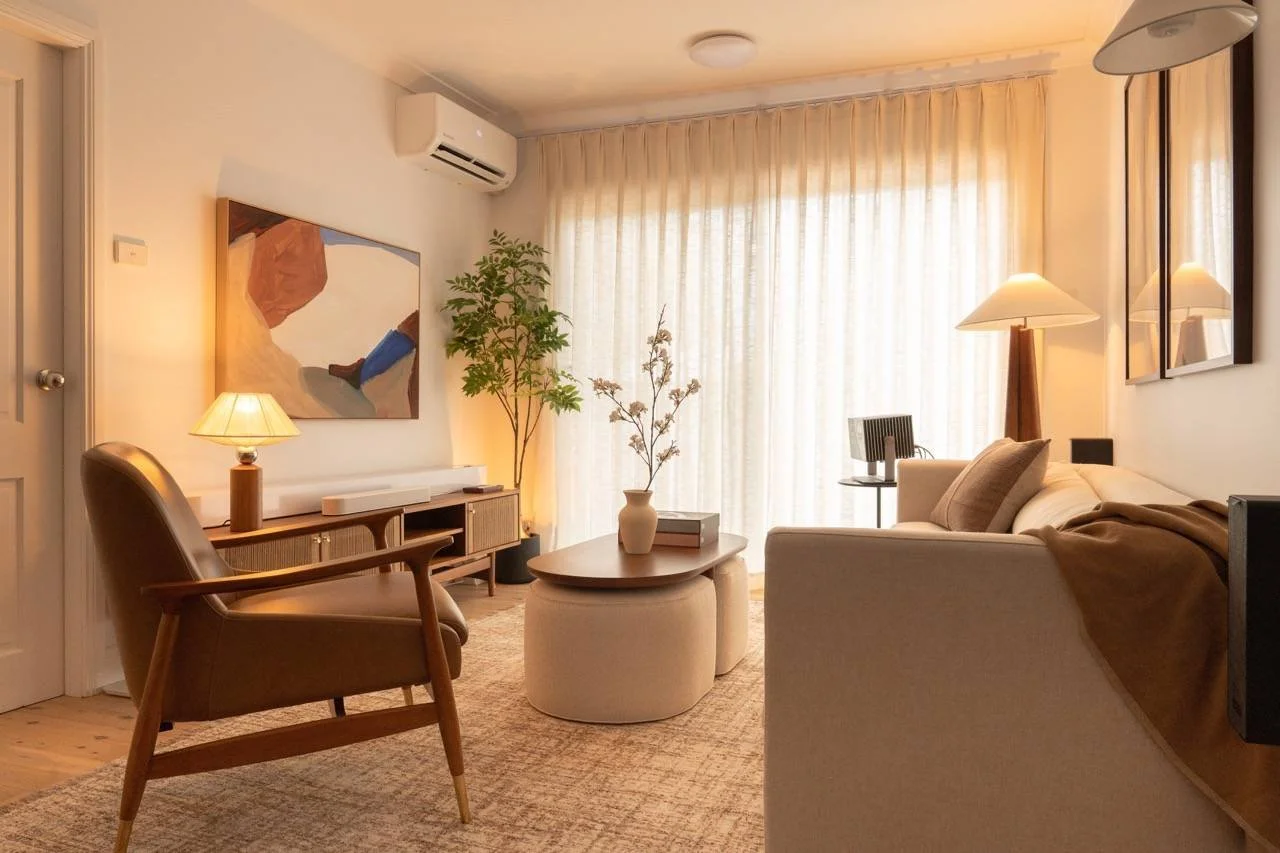
My living room has a removable ottoman coffee table. You can get them here:
https://castleryau.pxf.io/9VADjj (AU)
https://castleryus.pxf.io/Agme1N (US)
Turkish rugs and kilims
Weaving traditions in this region go back thousands of years — well before the Ottoman Empire even existed. But during Ottoman rule, carpet-making went from a local craft to a massive state-sponsored industry.
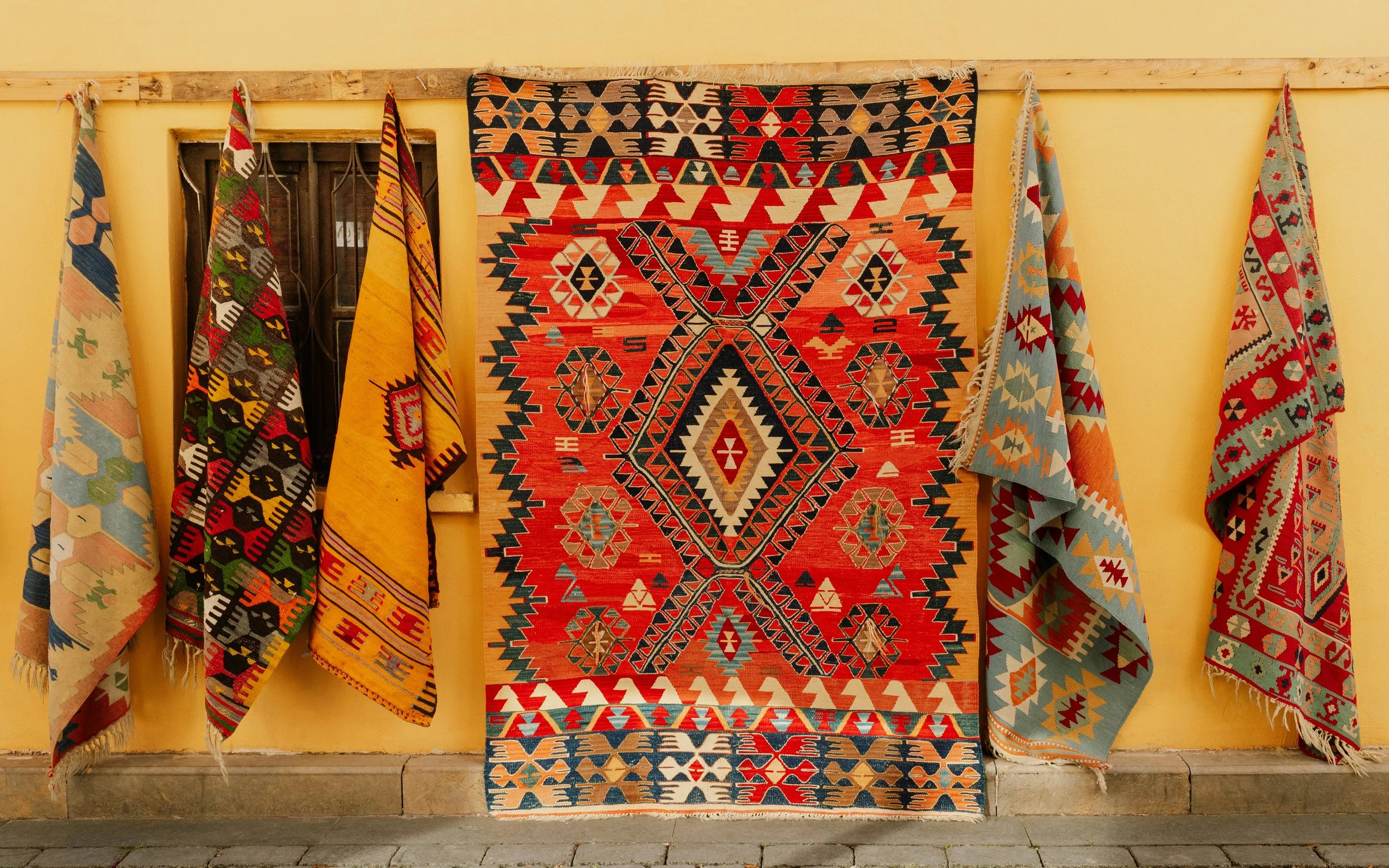
There are two main types: the "halı" (a larger rug for a main gathering space) and the "kilim" (a smaller, flat-woven rug for corridors and bedrooms). Both drew on the empire's Islamic roots and older pre-Islamic Seljuk Turkish culture.
Nikita Pishchugin
Here's why they still work so well in modern homes:
Kilims are flat-woven, which gives them sharp, vivid geometric patterns with a graphic quality that feels oddly contemporary. Halı rugs are larger, lusher, and show more intricate detail in their pile.
Both bring something to a room that no mass-produced alternative can replicate. They're bold, colourful, and full of life. A vintage kilim on your living room or bedroom floor instantly adds warmth and a sense of storied character, especially if the rest of your space is leaning minimal or neutral.
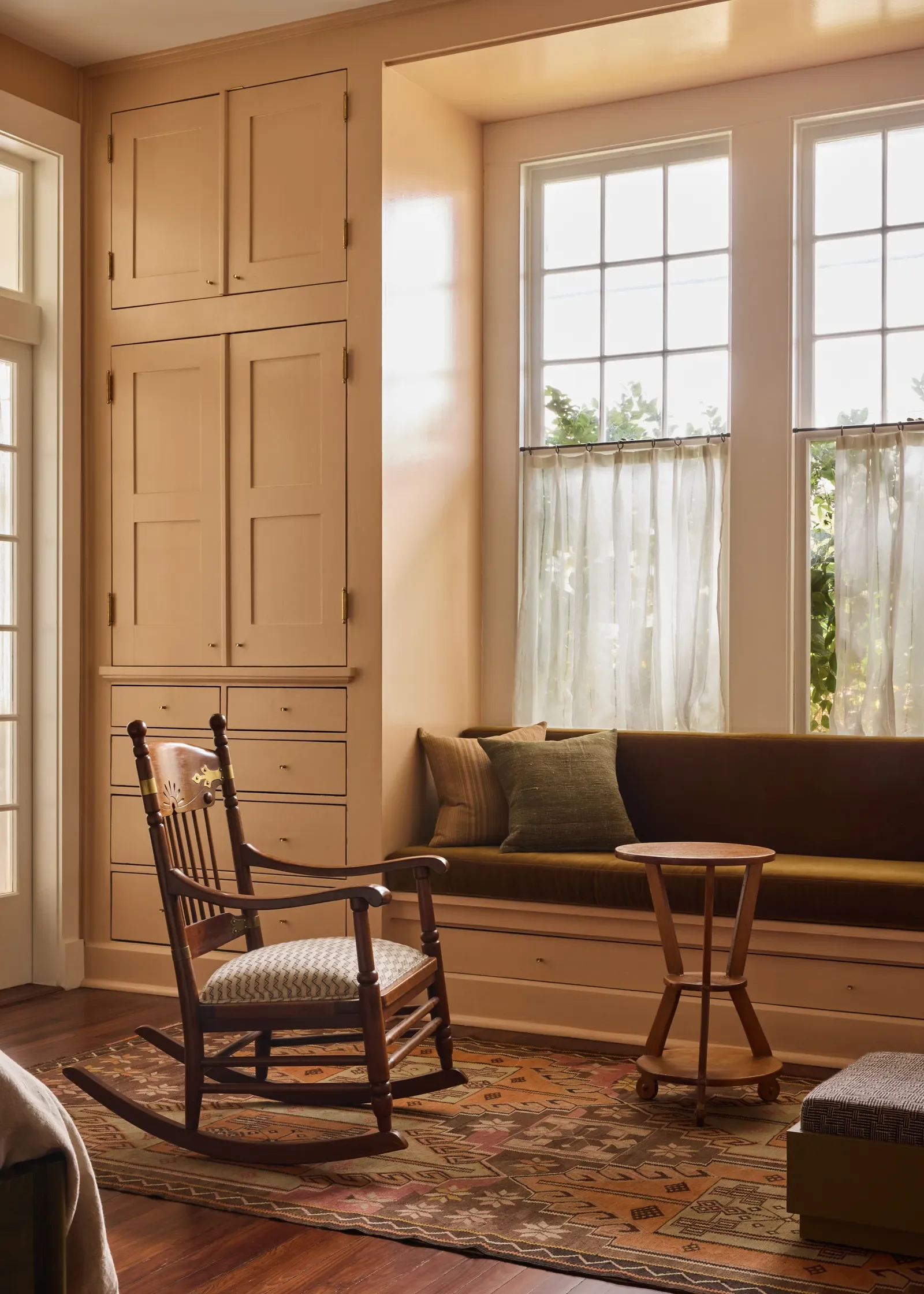
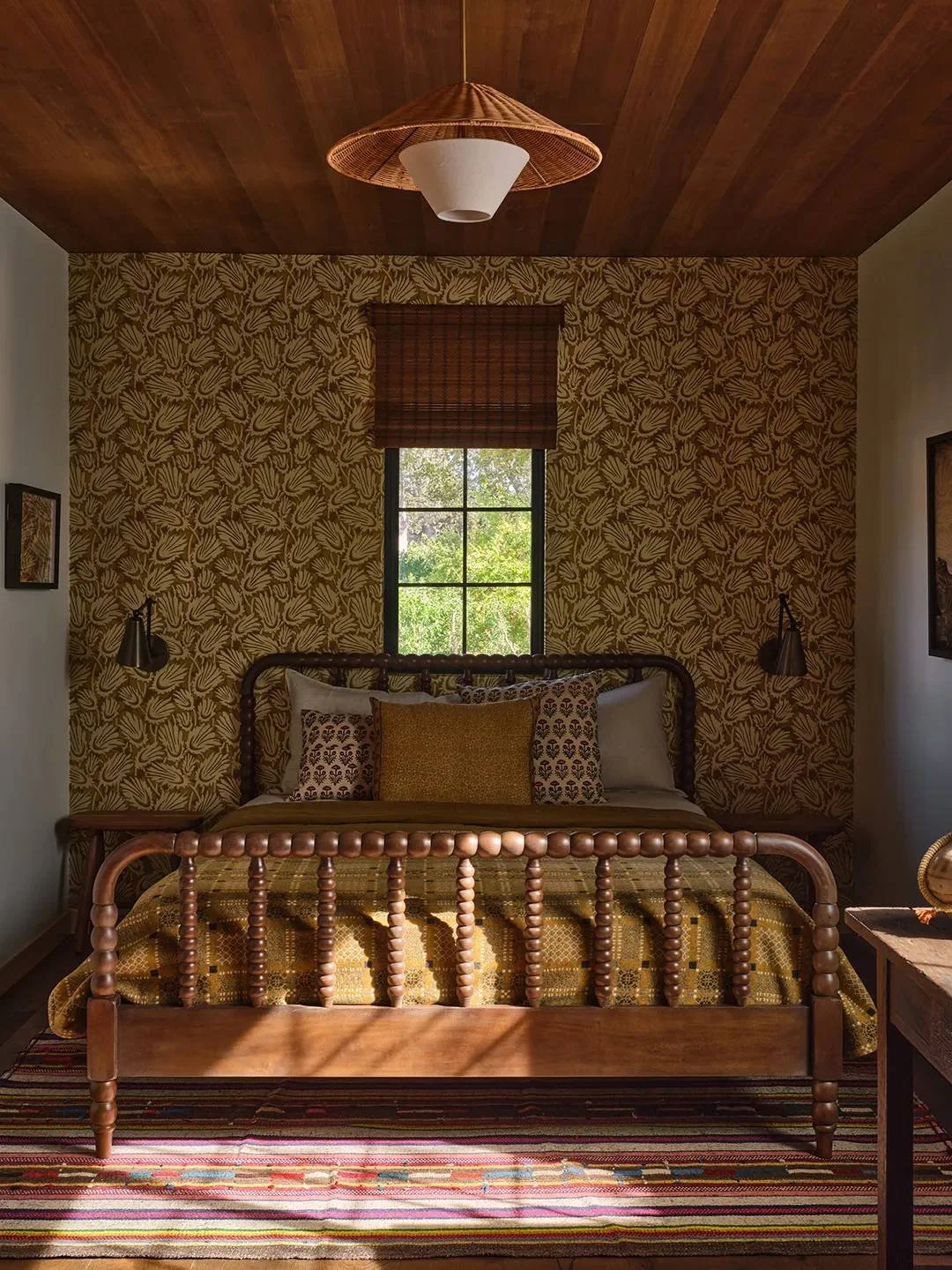
Handwoven, vintage Kars Kilim Rug. Photo: Nicole Franzen (left) & Mid-century Kilim in the Chaput weaving style, known for its use of recycled materials in colorful polychromatic stripes. Photo: Michael P. H. Clifford
A couple of ways to use them:
Use a smaller kilim as a wall hanging. They were historically displayed this way and work brilliantly as textile art.
Kilim fabric makes exceptional cushion covers. It's a simple way to bring the pattern into a room without committing to a full rug.
The Hammam, a bathroom blueprint
The Ottomans figured out long ago that bathing should be an experience, not a chore.
With roots in Roman bathing culture, they refined the practice into something architecturally and socially intentional.
Built from marble, the hammam was a place to gather, catch up under star-shaped apertures in the domed ceiling, and deliberately slow down.
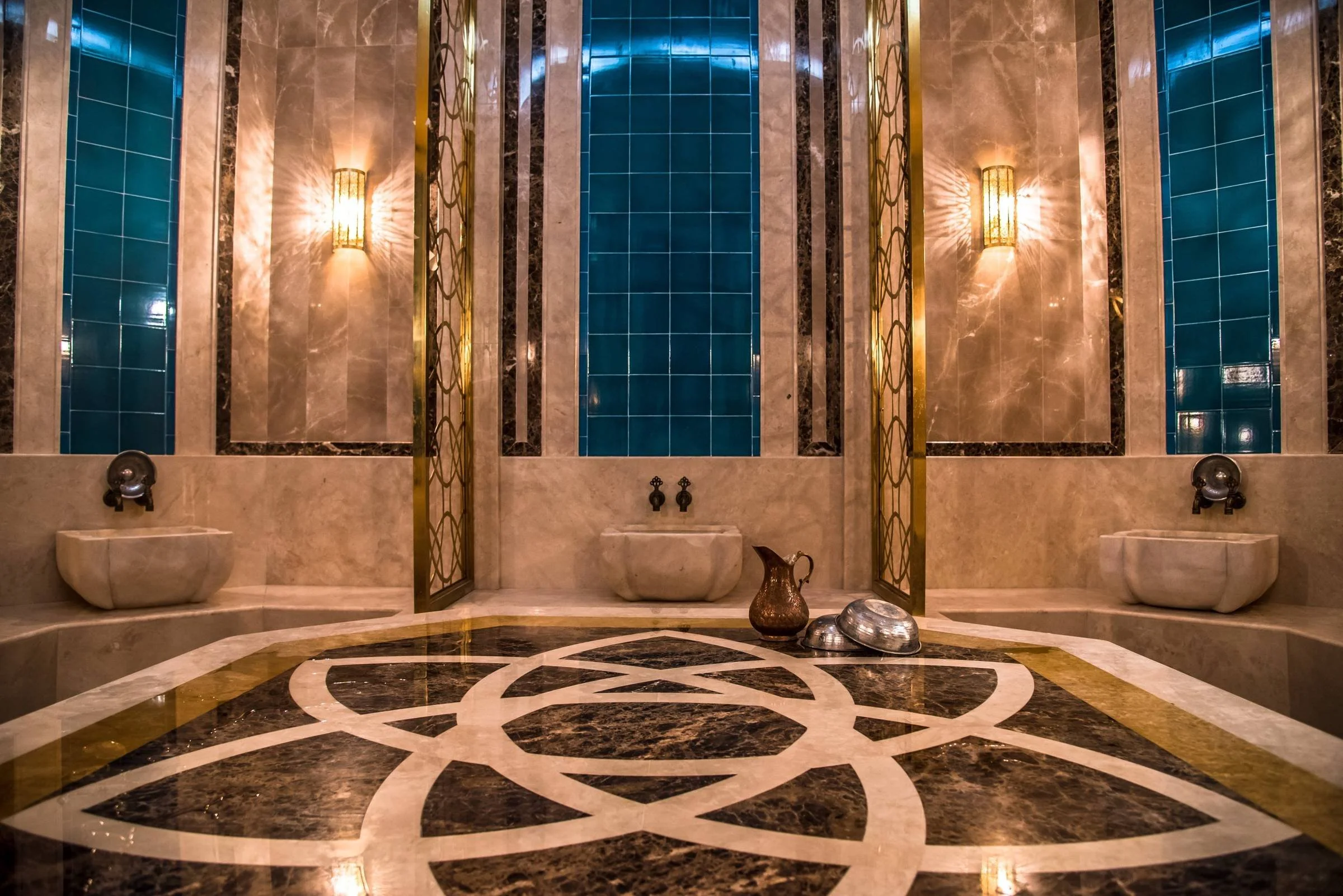
That philosophy hasn't gone away. In fact, it's driving bathroom design trends right now.
The National Kitchen & Bath Association's 2025 Bath Trends Report named emotional and physical well-being as the central theme of modern bathroom design.
More people are aiming for bathrooms built from natural materials that encourage you to linger and decompress.
The influence shows up in contemporary bathrooms in some very tangible ways:
Marble surfaces — the hammam's signature material, still one of the most desirable finishes for floors, walls, and basins.
Steam showers — a direct descendant of the hammam's hot room, and one of the most requested bathroom upgrades today.
Deep soaking baths — the ritual of full immersion. Unhurried. Intentional.
Low, warm lighting — hammams were never brightly lit. The atmosphere was always part of the experience.
Speaking of trends, some are more enduring than others. If you want to learn about design trends to avoid, check out this video
Cheers,
Reynard