4 mistakes making your room feel smaller than it is
I once lived in a flat so small I could touch both walls if I stretched my arms out.
Okay, slight exaggeration.
But it was tiny. And for the first few months, it felt even tinier than it actually was.
Not because of the square footage. Not because I needed to "just declutter" (though I did).
But I was making a handful of design mistakes that were quietly shrinking the space without me realizing it.
I've since designed more small apartments than I can count. And I keep seeing the same mistakes over and over again.
Here are the biggest offenders, and what actually works instead.
1. Decorating Only at Eye Level
If a room feels cramped, the problem often isn't the floor plan.
It's the walls.
Most people fill the lower half of a room with short, wide furniture and leave the upper walls completely bare. Nothing above eye level. No vertical movement.
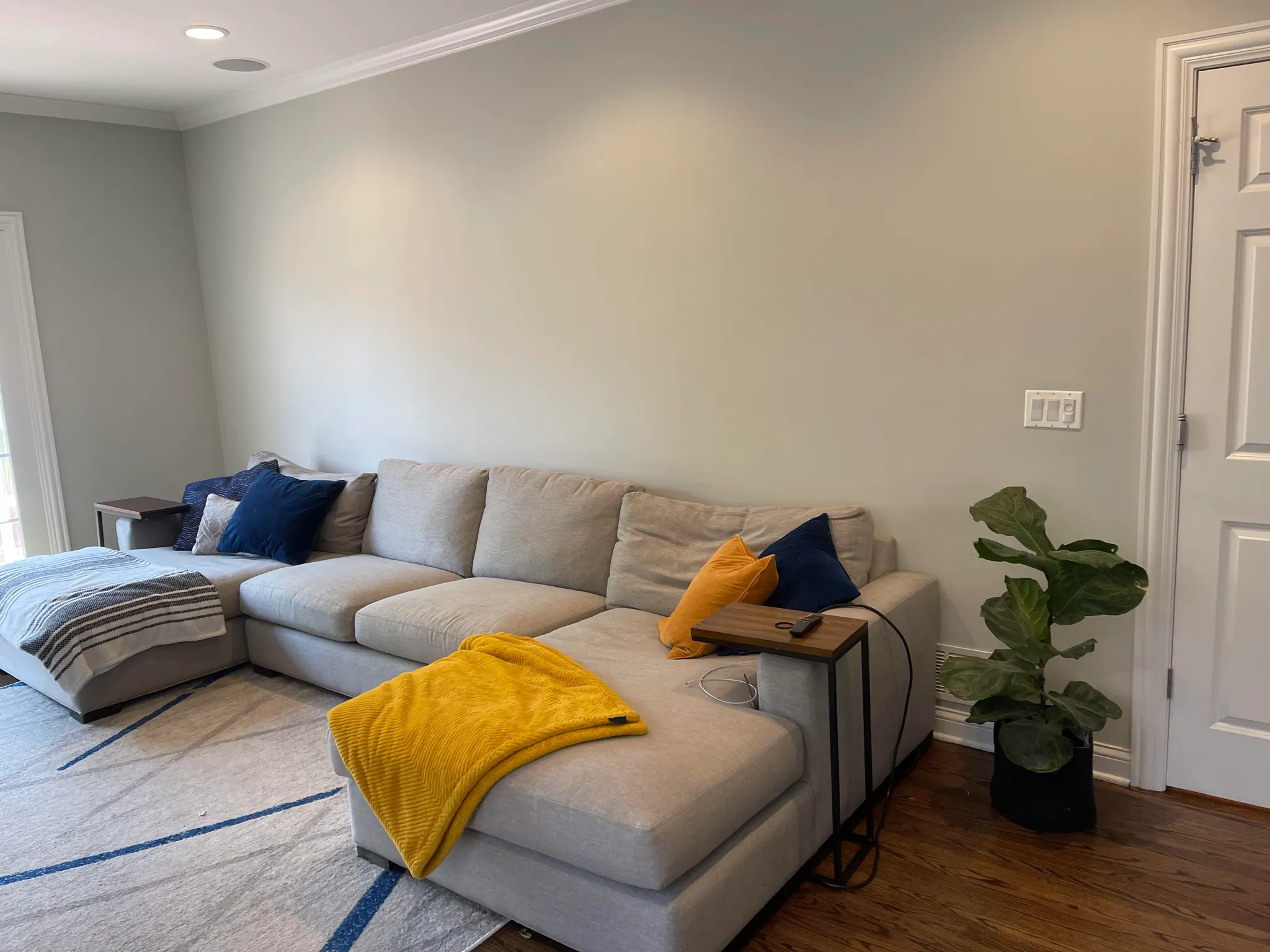
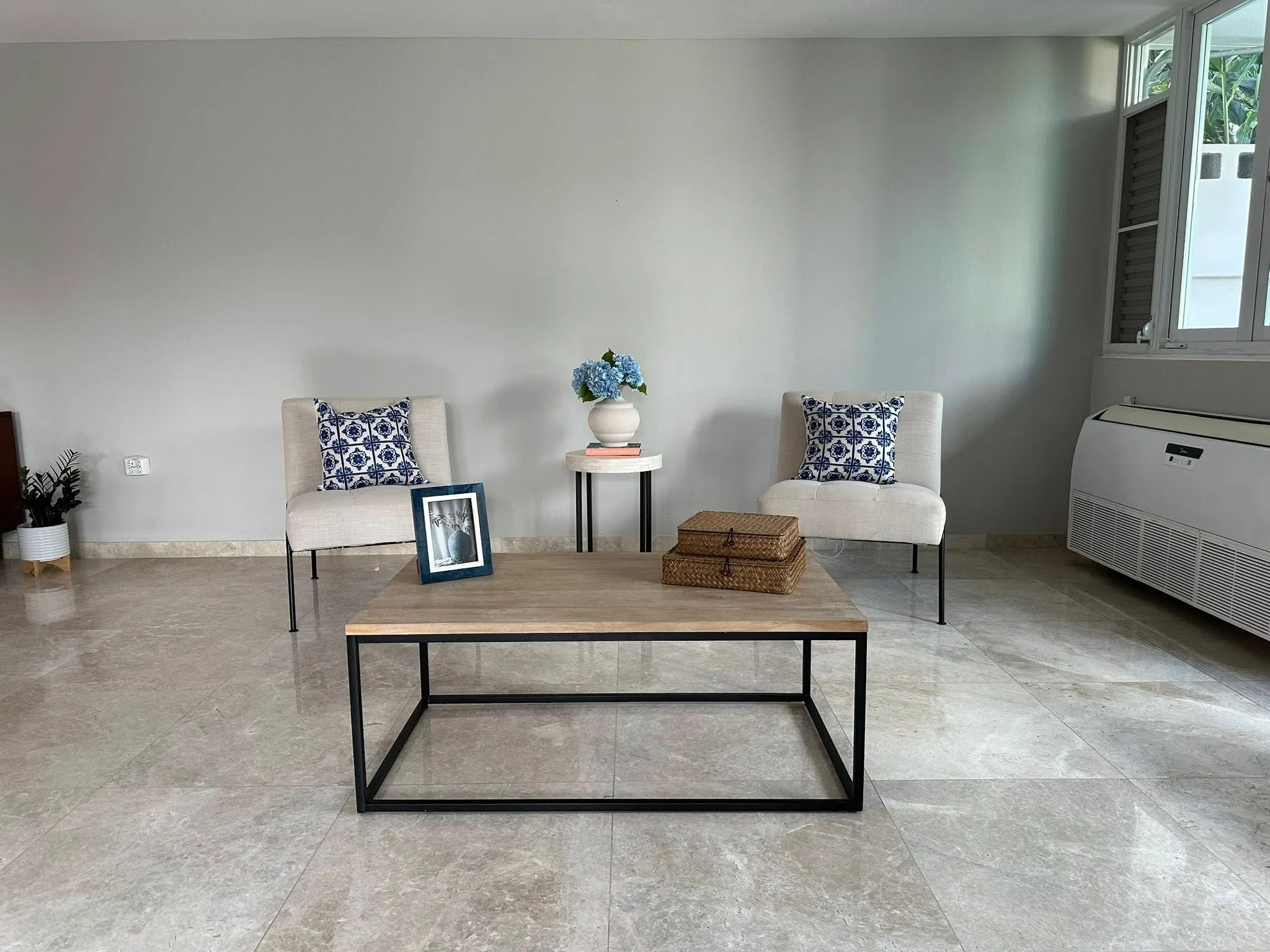
Visually, this compresses the space and makes ceilings feel lower than they really are.
The fix: use the full height of the room.
Get taller storage where possible.
Hang artwork or mirrors higher—especially above consoles or sideboards.
Use wall sconces or pendants instead of crowding surfaces with lamps.
Add a tall plant to lift corners.
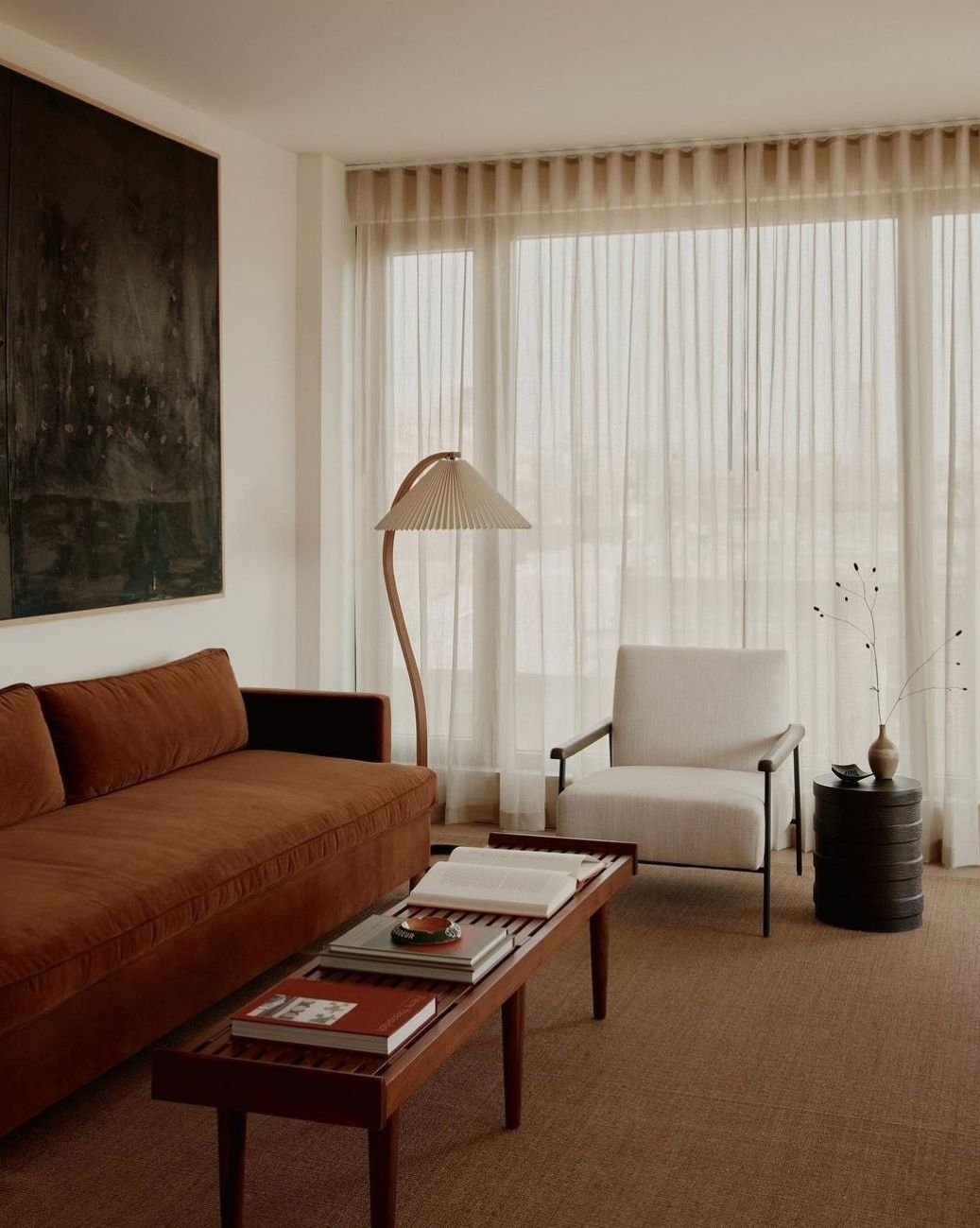
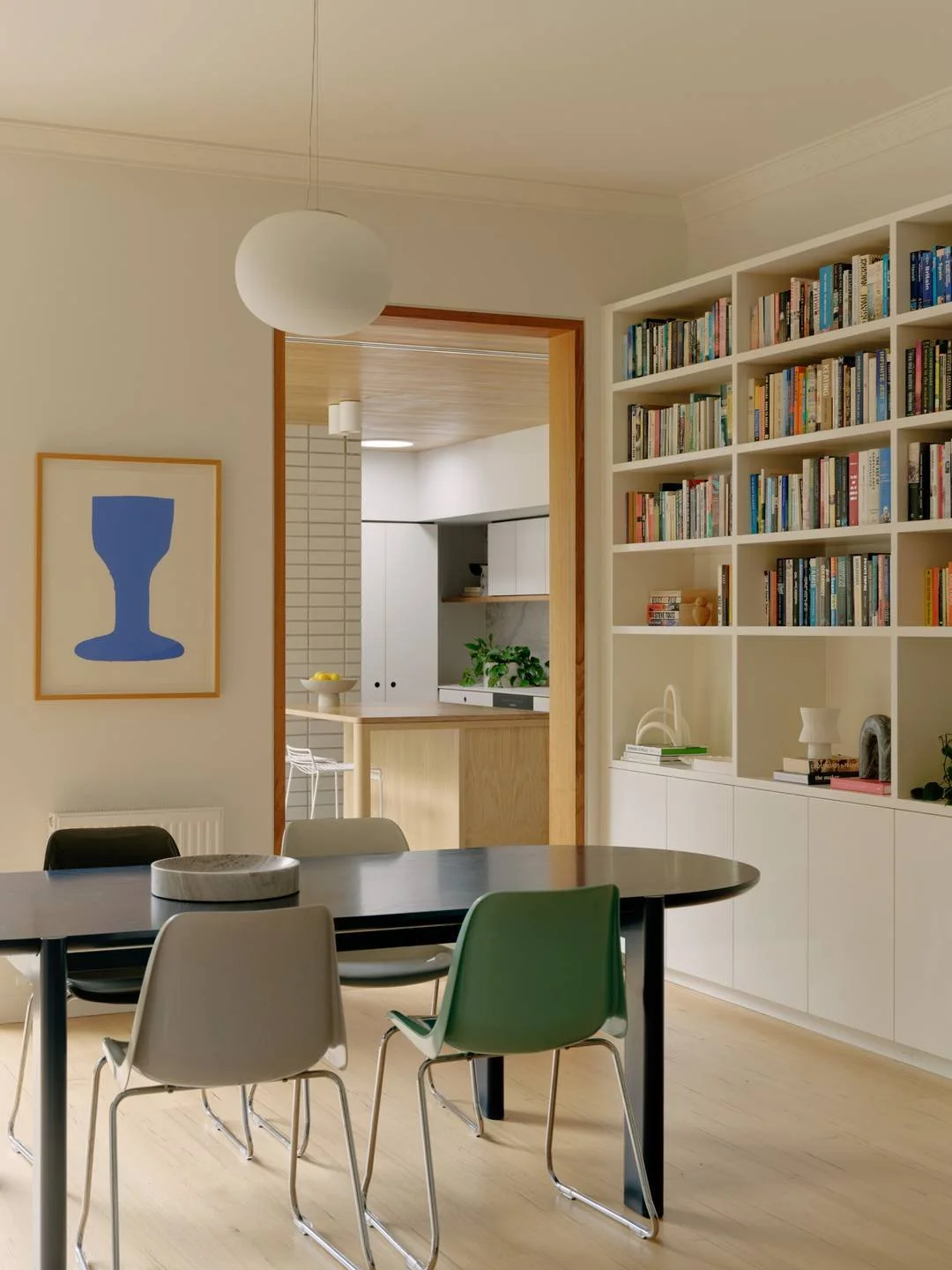
Berlin Studio (left) & Agius Scorpo Architects (right)
And don't get me started on curtains.
If your curtain rod is mounted just above the window frame, you're cutting your wall height in half. Mount it close to the ceiling and extend it wider than the window.
The room will instantly feel taller and brighter.
2. Too Many Competing Colours
Most people assume dark colours are the enemy in small rooms.
They're not.
The real issue is visual fragmentation.
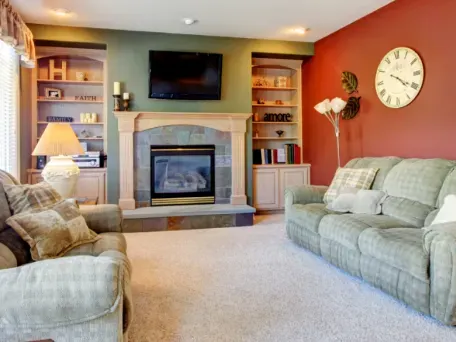
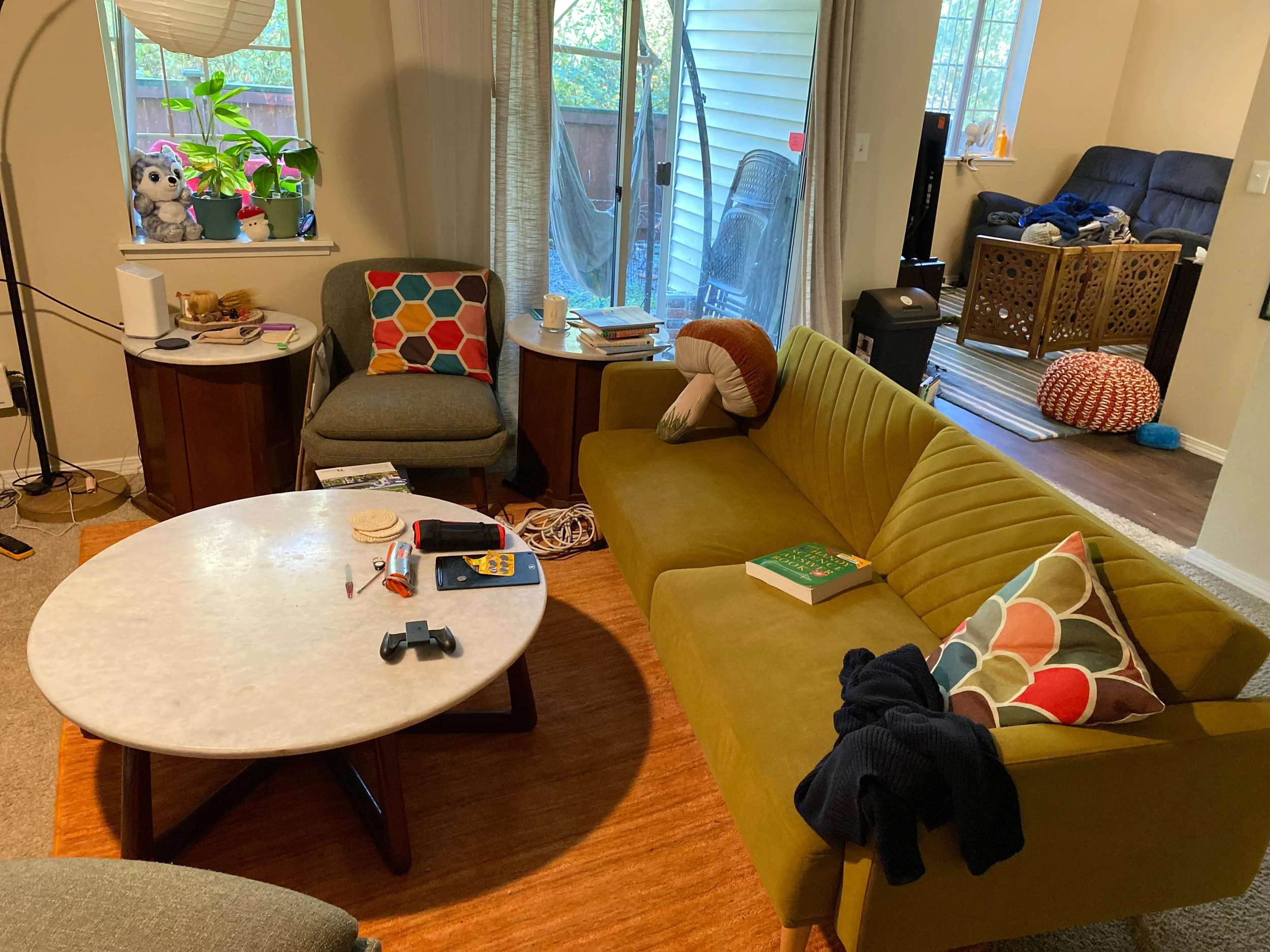
When walls, trim, doors, ceilings, and floors are all different colours or finishes, your eye stops at every edge. The room feels chopped up and busy, which makes it feel smaller.
The fix: simplify.
Painting walls, trim, and doors the same colour blurs the boundaries and allows the walls to recede visually. The space feels calmer and more expansive, even if the colour is deep or moody.
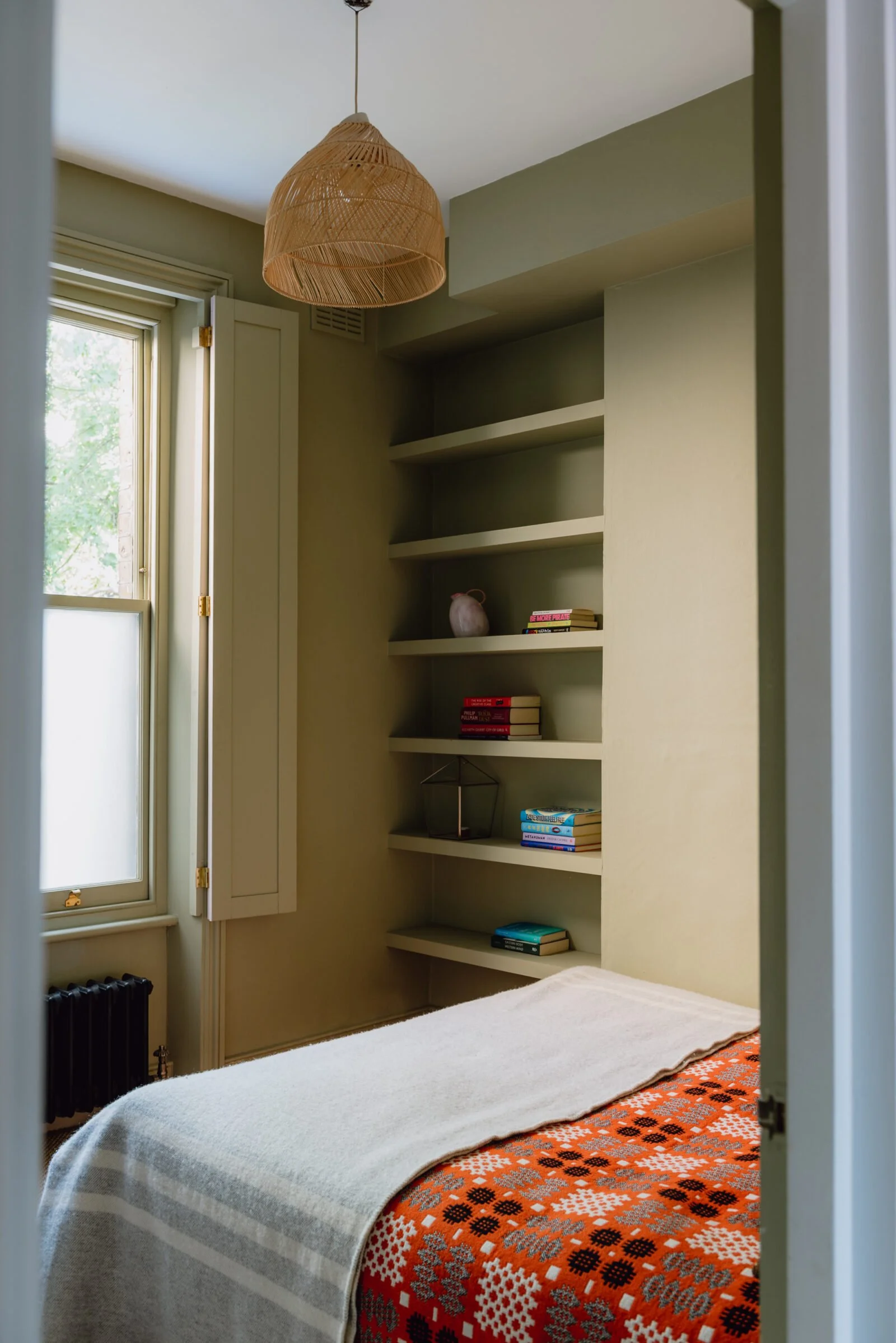

Photo by Javier Marquez
The same applies to flooring. One continuous material flows better than a patchwork of finishes, especially in smaller homes.
3. Bulky furniture with no breathing room
Oversized sofas and chunky furniture are one of the fastest ways to shrink a room.
Not just because they're big, but because they hide the floor.
The less floor you can see, the smaller the room feels.
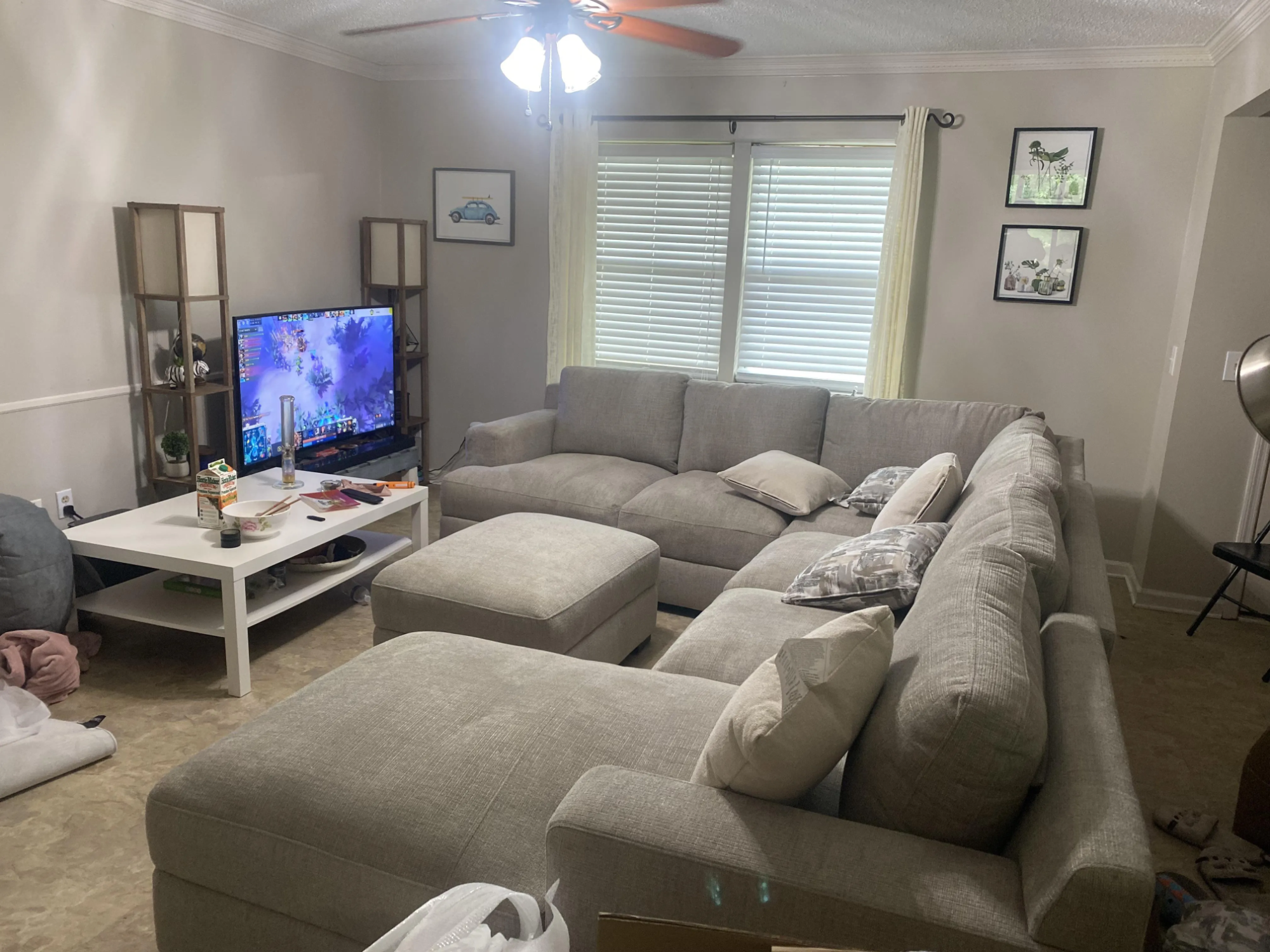
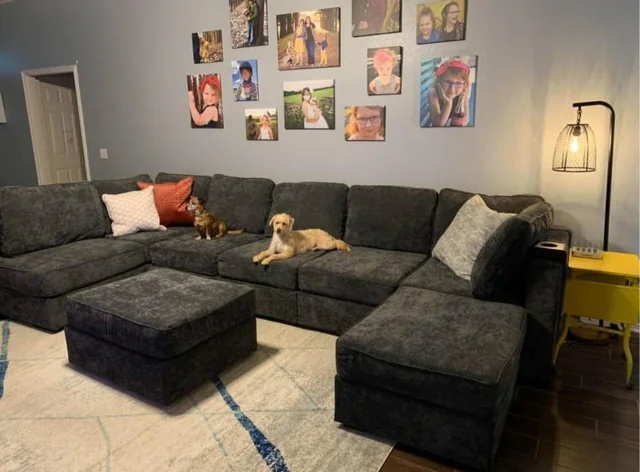
The fix: choose visually lighter pieces.
Furniture with exposed legs, slimmer profiles, and lower visual weight allows light and air to move underneath. That alone can make a room feel dramatically more open.
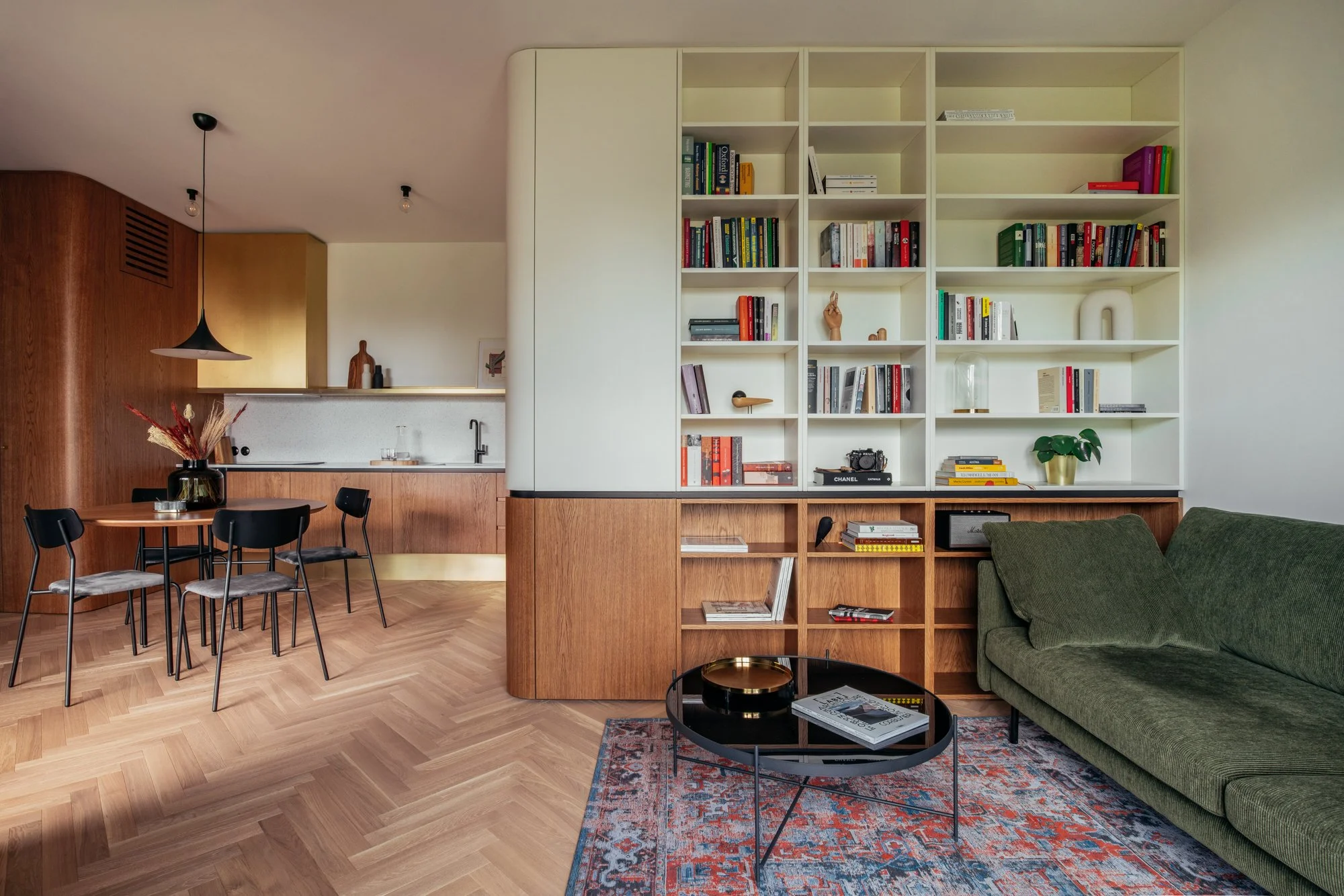
Design by Kroniki.Studio
This is why mid-century styles work so well in small spaces. They're not minimal for the sake of it. They're just well-proportioned.
4. Letting visual clutter run the show
Even the best-designed room will feel cramped if it's visually noisy.
Open shelving is usually the culprit. Looks great in photos.
In real life? A magnet for mismatched objects and daily mess.
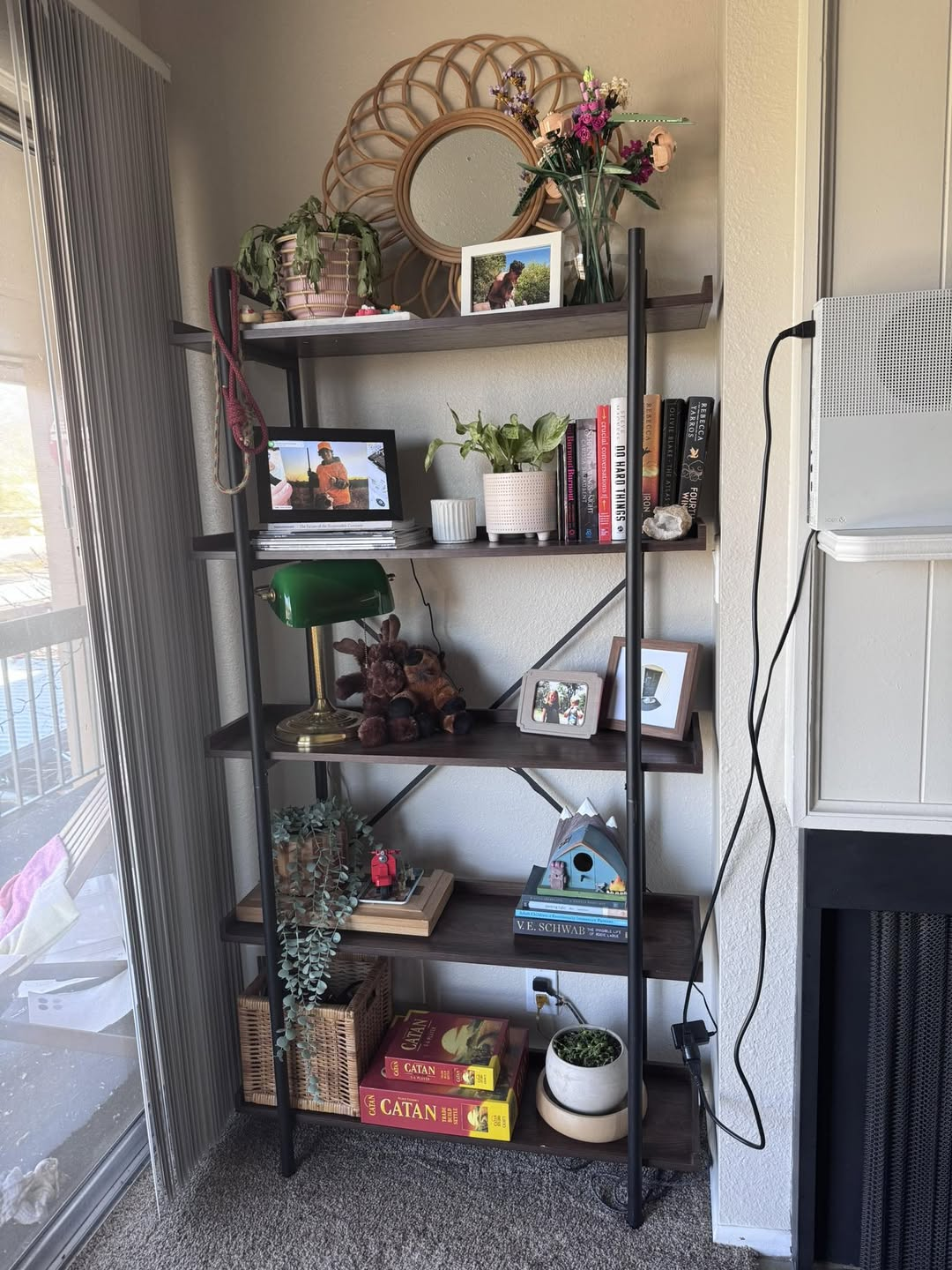
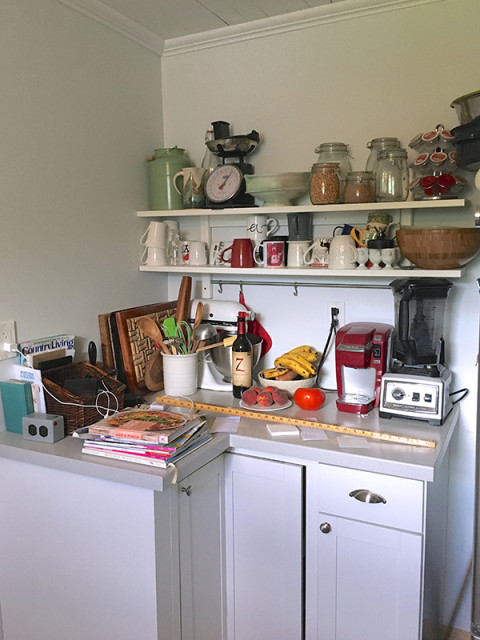
The fix: hide more than you display.
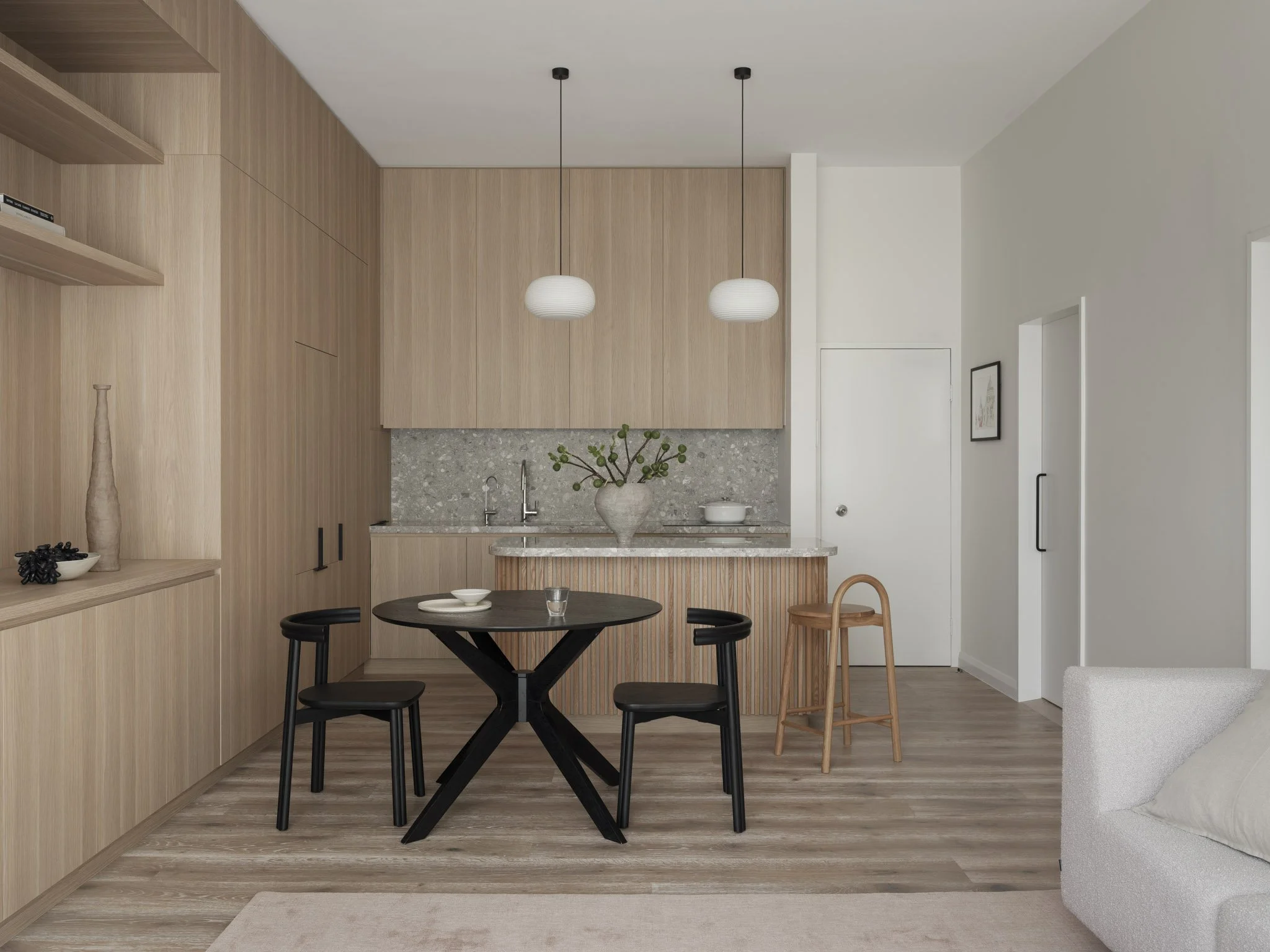
Design by Brewer Architects
Closed storage calms a space instantly. It'll always look better than filling every surface with stuff.
Small spaces don't need massive overhauls.
They need smarter choices.
I go much deeper on all of this in my video:10 Small Space Design Mistakes That Are Making Your Room Feel Smaller. Worth a watch if you're dealing with tight spaces.
Cheers,
Reynard