The 4 materials every great room has
Trends have a shelf life.
What felt fresh a year or two ago can already feel tired today. Social media's only made it worse. Design styles go viral, get copied to death, and then quietly vanish.
But some materials refuse to play that game.
Stone. Wood. Metal. Ceramics.
Humans have been building and decorating with these for thousands of years. And the fact that we're still reaching for them isn't nostalgia.
It's something more fundamental than that.
And understanding why they work can genuinely change how you approach your home.
Let me break it down.
1. Stone’s grounding presence
There's a reason stone shows up in everything from ancient Roman bathhouses to contemporary minimalist apartments.
It carries a sense of permanence that almost nothing else can match. When we see stone, something in our psychology registers it as solid. Dependable. Unmovable.
It's hard to get more timeless than that.
Stone grounds a space and ages beautifully. And it's far more versatile than most people realise.
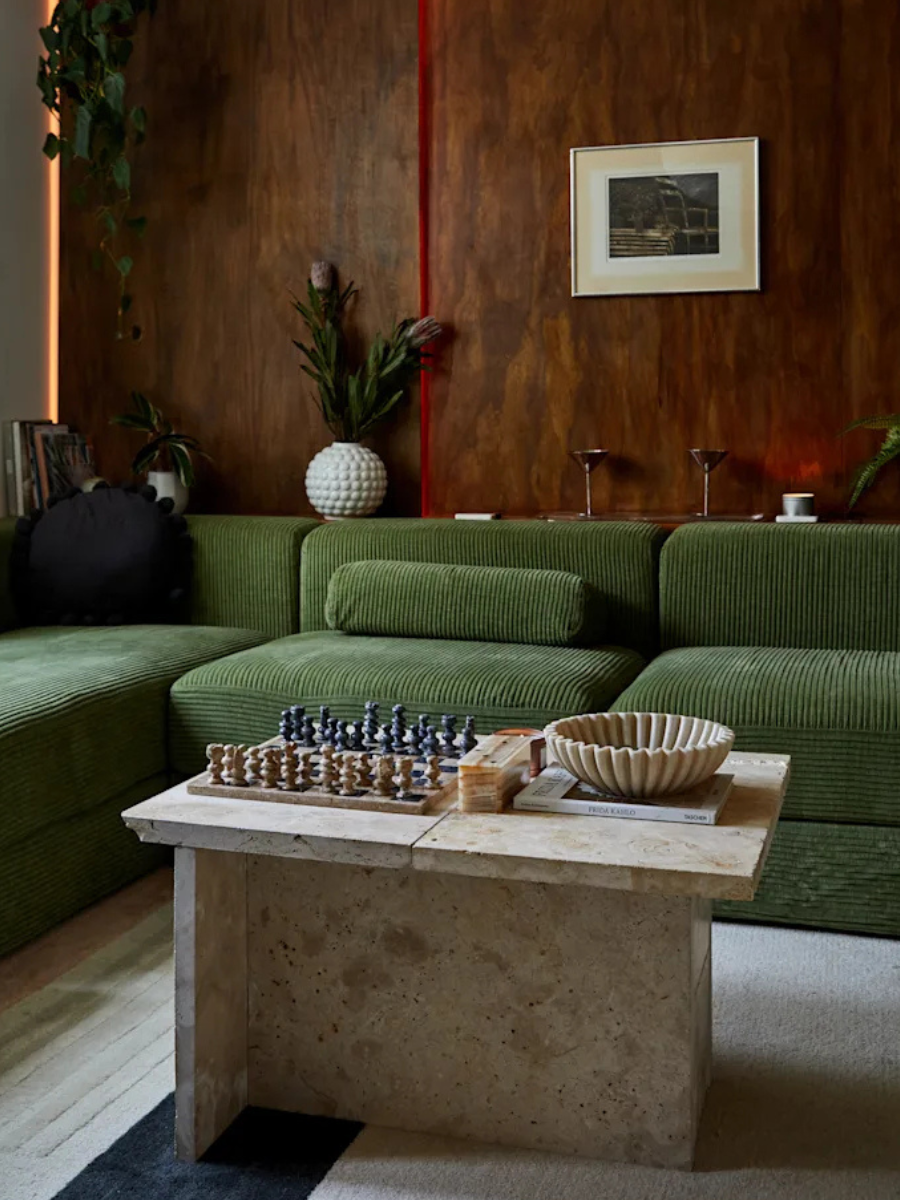
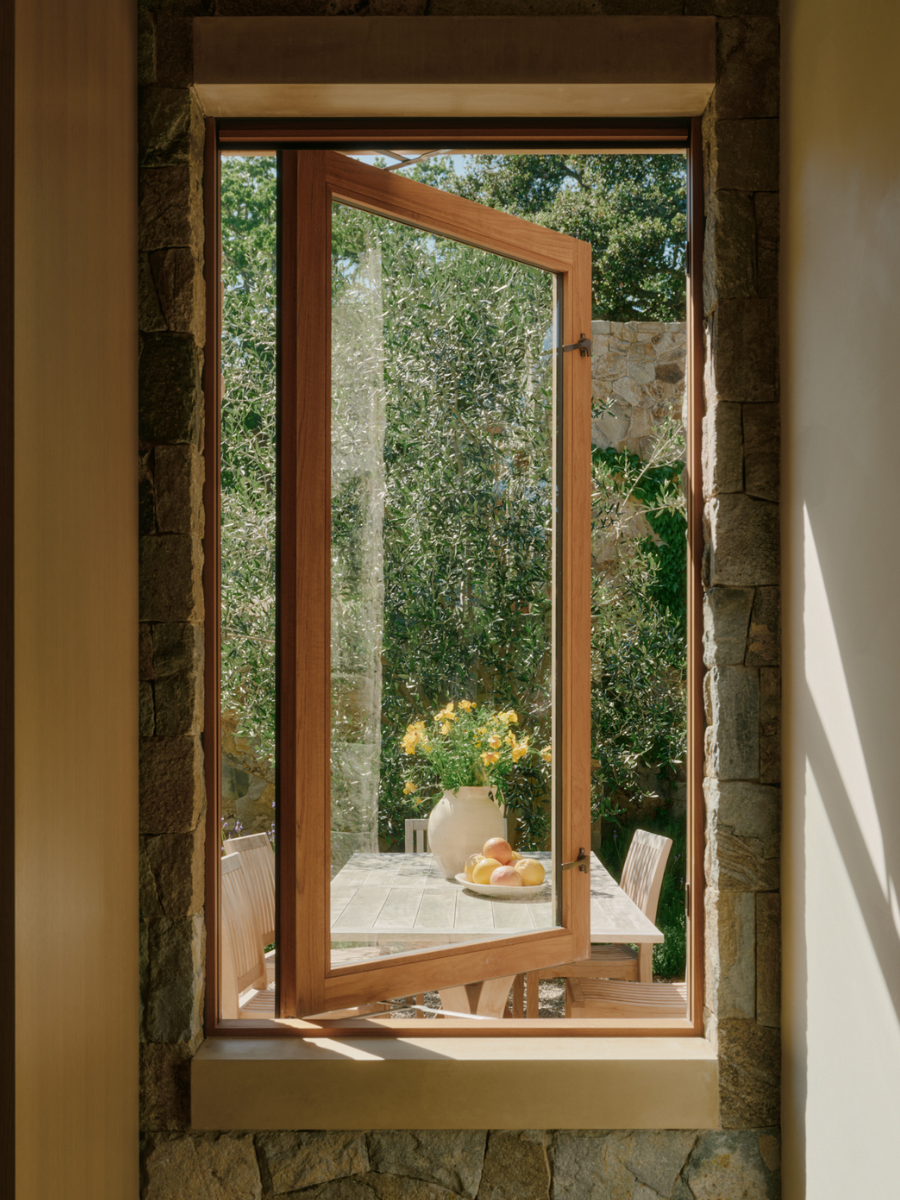
Leela Cyd (left) & Joe Fletcher (right)
You don't need a full renovation to bring it in, either:
A stone-topped coffee table adds weight and quiet sophistication
Resurfacing a fireplace in stone is a contained project with serious visual payoff
A stone countertop (marble, granite, quartzite) puts the material front and centre in the busiest room of the house
Even small stone objects like a bowl or a sculptural piece can bring that timelessness into a room.
2. The warmth of wood
No material adds warmth quite like wood. It's organic, tactile, and has a character that calms and enlivens at the same time.
Flooring, ceiling panelling, furniture, and wall cladding — wood looks brilliant in all of them. It's also one of the best materials for softening a visually harsh space.
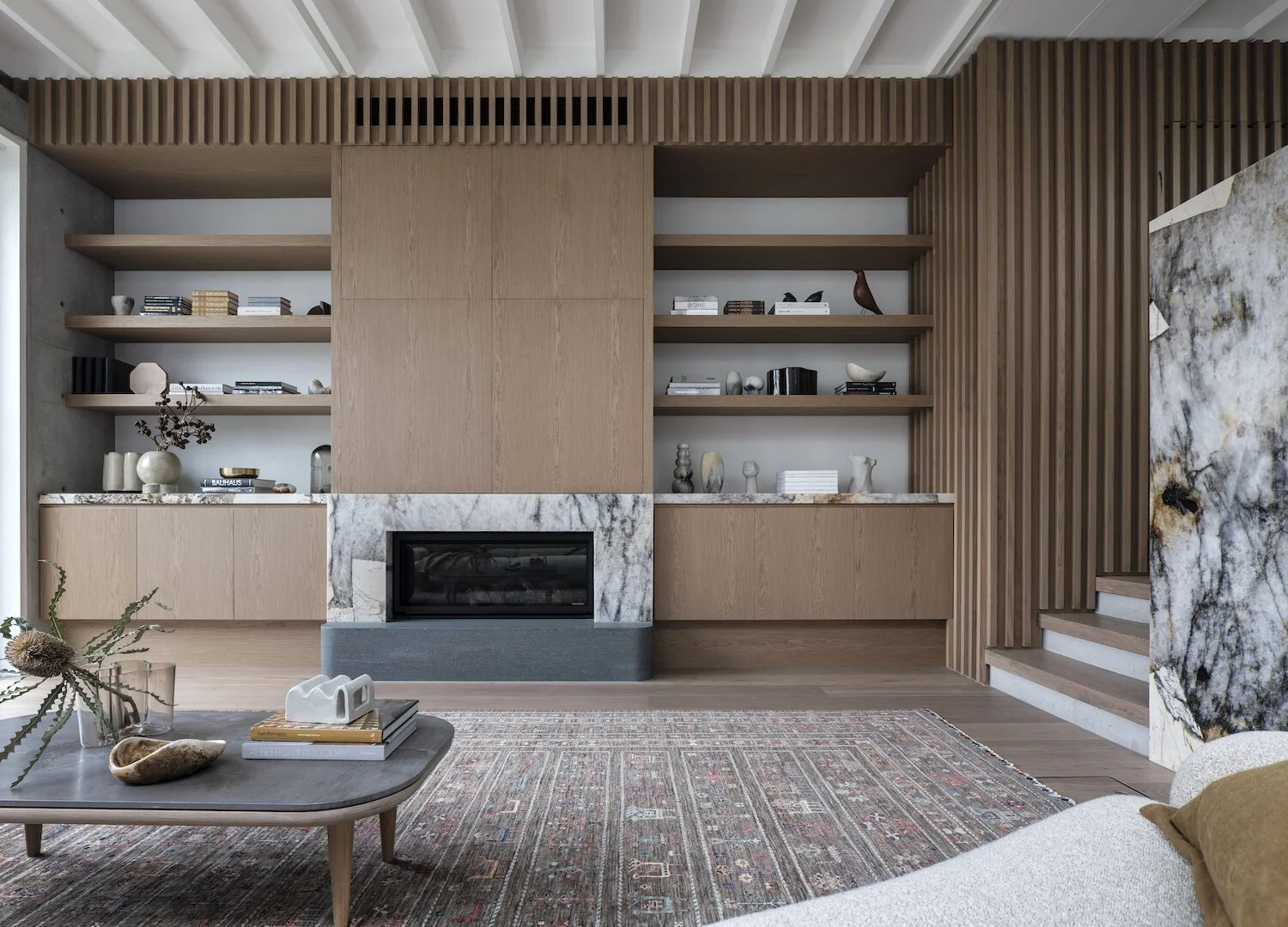
Tom Ferguson
Even something as simple as a wooden desk or a kitchen table can transform a room's feel.
One thing worth doing: read up on wood varieties before you buy. Maple, oak, walnut, and pine are the common ones. But niche hardwoods like Wenge and Olive Ash can truly elevate a space if you've got the budget.
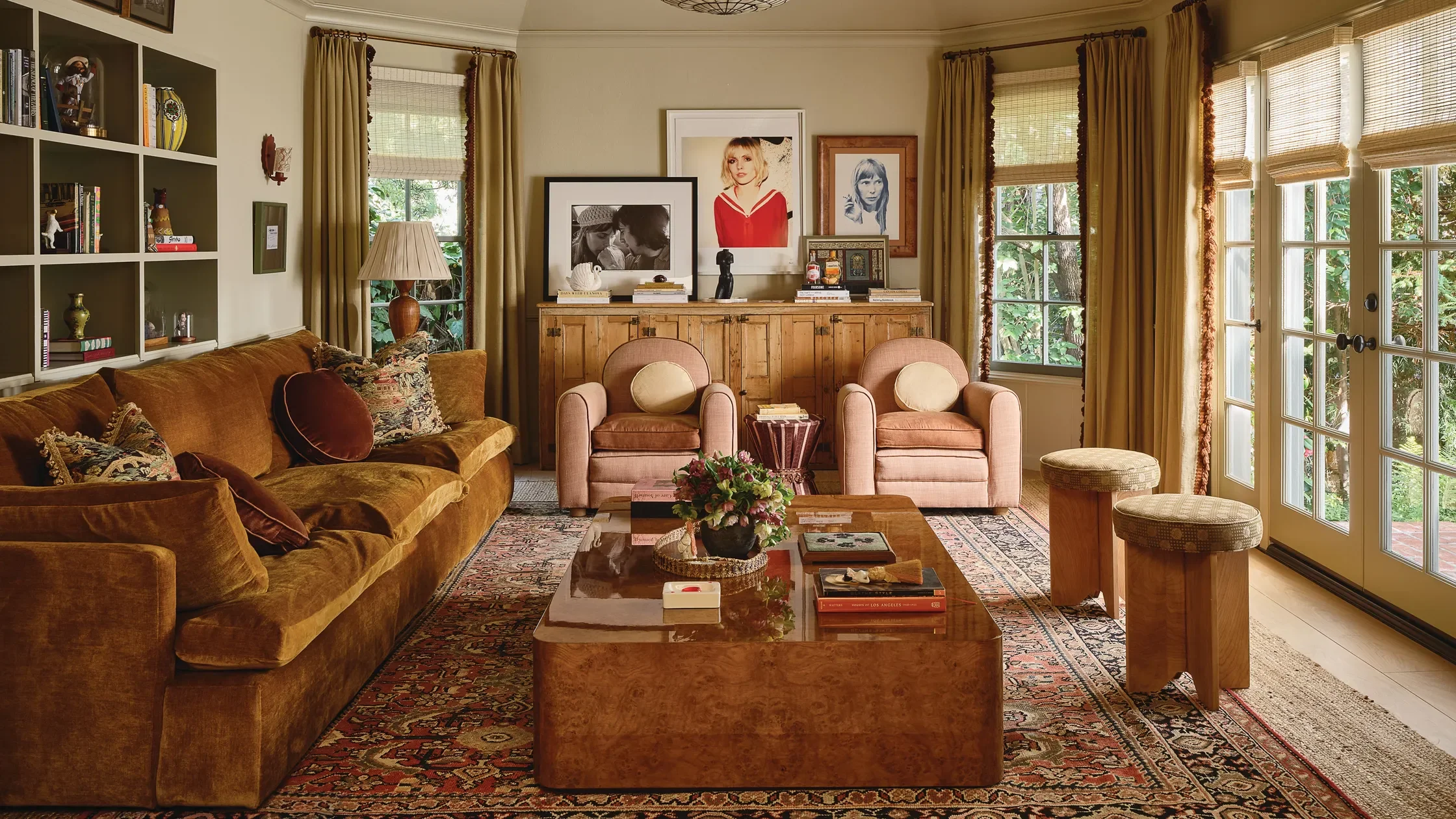
Emma Roberts’ Home via AD, Photo by Michael P. H. Clifford
3. Metal’s merit
Humans have been using and shaping metal for thousands of years. Copper, bronze, iron, and steel are among the most utilized materials we’ve ever discovered.
Metal adds stability and weight to a space, but unlike stone, it feels clean, refined, and graceful. And unlike wood, it carries a sense of authority.
Brass, bronze, and copper bring warmth and light. They're ideal for tapware, cabinet handles, and pendant lights. They soften a space while still feeling substantial.
Chrome and brushed nickel read cooler and more contemporary. They're clean, sleek, and work brilliantly in kitchens and bathrooms where you want that polished edge.
Metal also ages well when you look after it. Brass develops a patina over time that you simply can't manufacture.
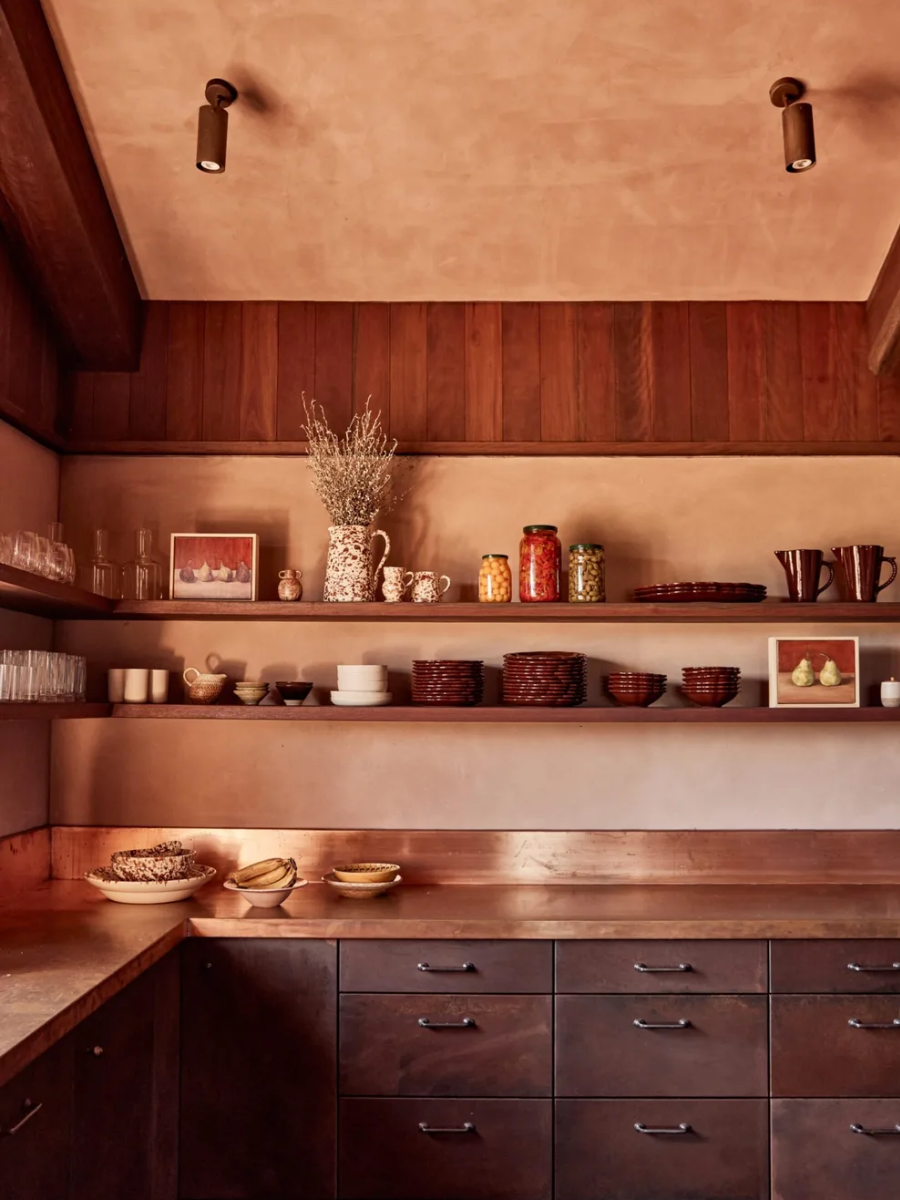
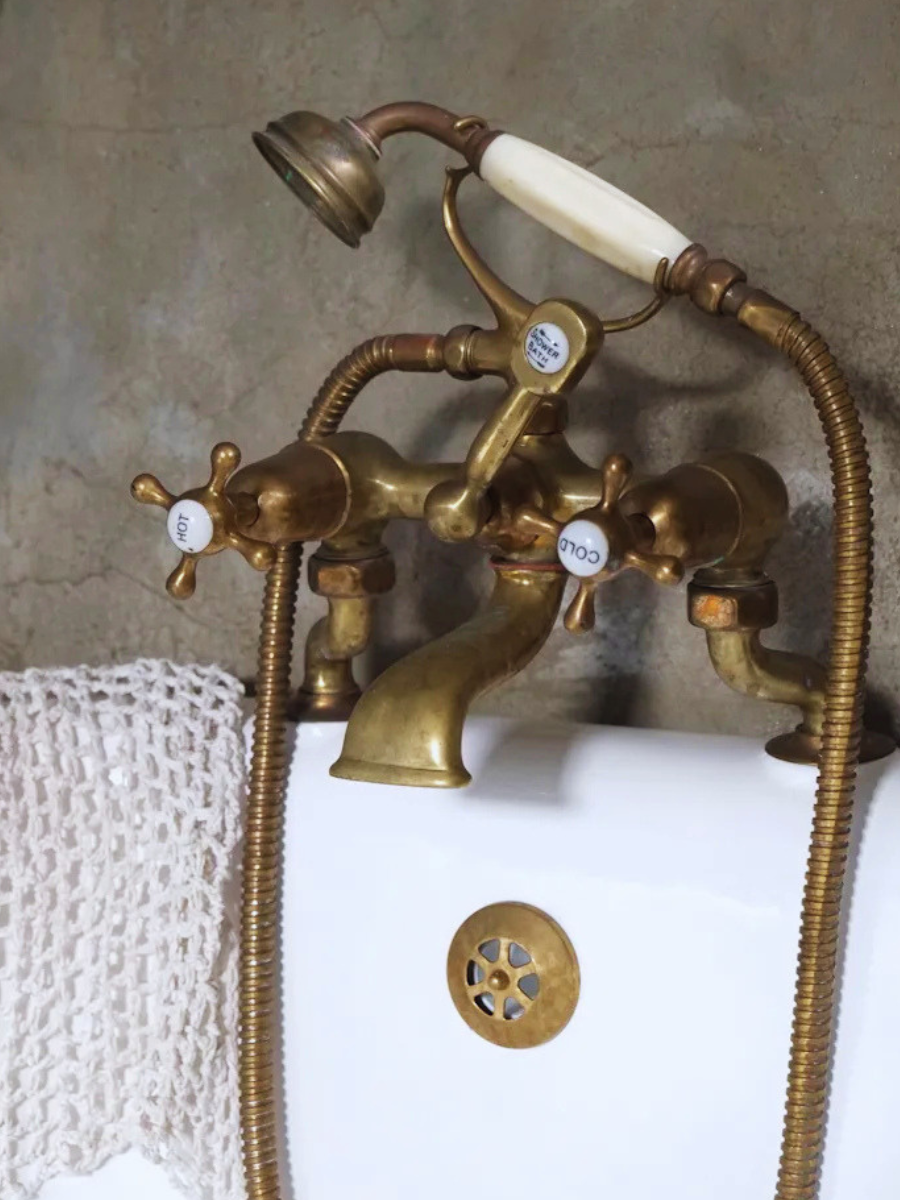
Alana Landsberry (left) & Lana Kenney
Design tip: You don’t need large metal elements to feel the material’s impact. Switching out door handles, cabinet hardware, and buying iron pans and copper pots are some of the most cost-effective ways to bring metal into your home.
4. Ceramic serenity
Ceramics are among the most ancient materials we have. The earliest ceramic objects ever found date back more than 25,000 years. A well-chosen ceramic piece lends any space a cultured, ageless quality.
What makes ceramics special is texture and identity. Glazed surfaces catch light in ways that surprise you. And handmade pieces carry small irregularities (marks of the maker's hand) that give them a character that mass-produced items can never touch.
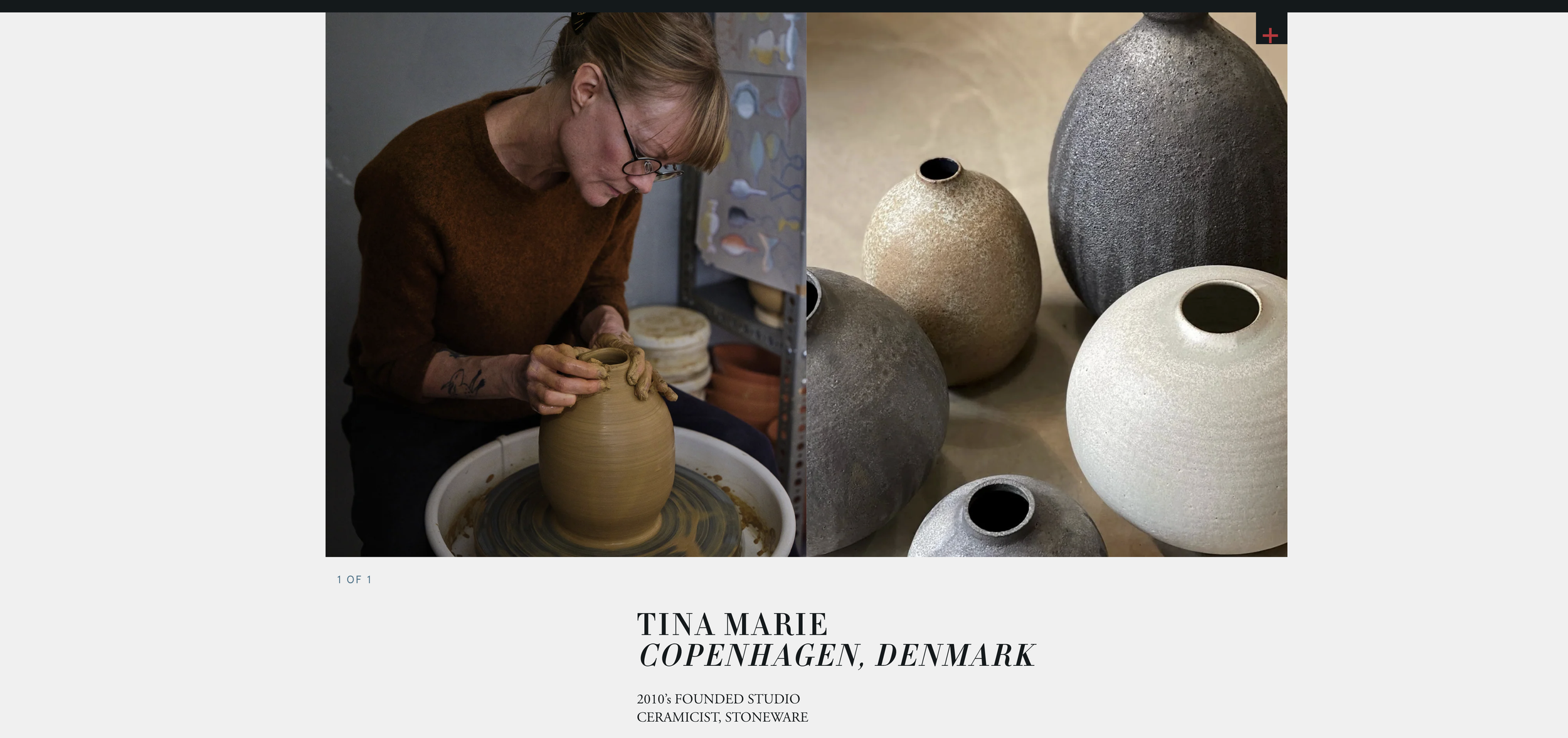
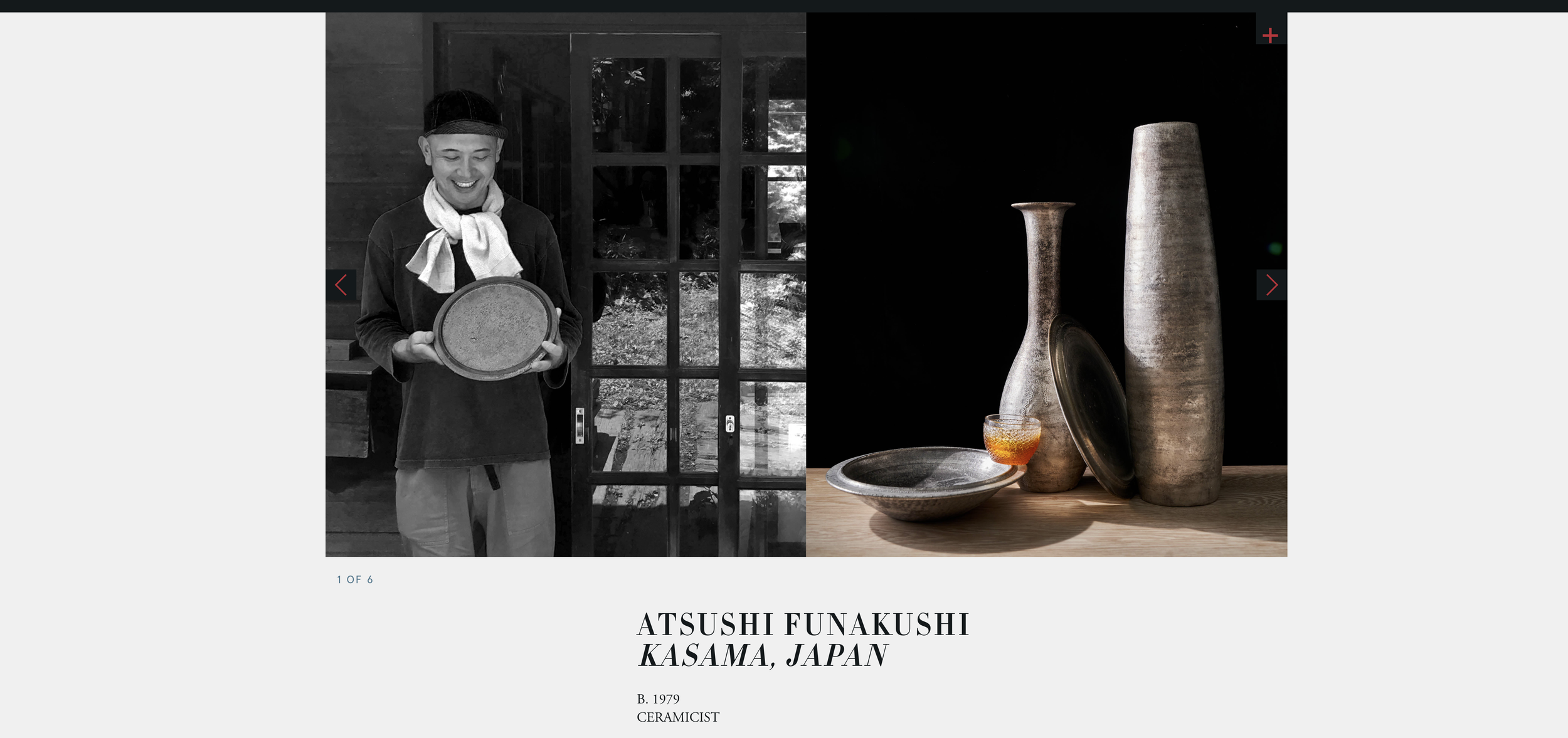
Vases, bowls, and drinking vessels are the easiest way in. Unglazed or matte finishes keep things grounded without getting too shiny. Ceramic tiles work wonders on floors and as backsplashes.
The rule here is quality over quantity. One handmade piece is worth a hundred big-box-store items.
These four materials aren't trendy. And incorporating them is also one of the best ways to add texture to spaces that might otherwise feel flat and lifeless. If you want to go deeper on texture, I covered the mistakes and rules you need to know in this video:
Cheers,
Reynard