Why your brain never fully switches off at home
There's something most homes are quietly missing.
A place to step away from everything. A small, deliberate pocket of space designed for one thing — slowing your brain down.
Think about it.
Your phone buzzes. Work emails pile up. The news won't shut up. Someone needs something from you. And even when you're "relaxing" at home, your brain is still chewing on all of it.
It never really switches off.
Unless you give it somewhere to.
The good news? You don't need a meditation room or a sprawling house. You just need a corner with intention behind it.
Here's how to build one.
Start with a space that already feels slightly separate.
The best escape spaces are naturally a little removed from the main flow of the home.
A quiet corner of your living room. A window nook. An unused section of a bedroom. A landing at the top of the stairs. Even a wide hallway alcove.
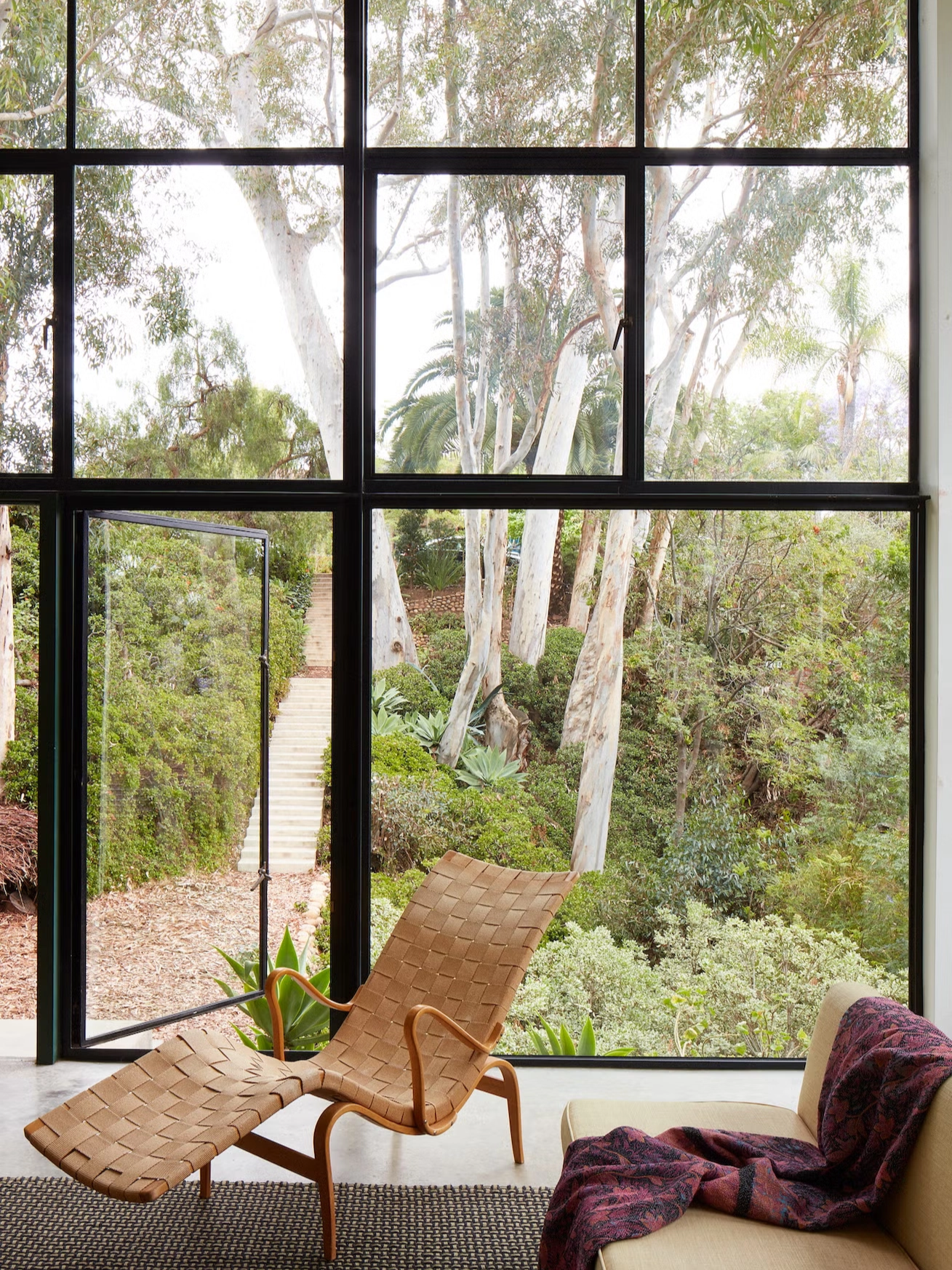
Window seats work brilliantly for this. They create a sense of enclosure while still feeling connected to the outside world.
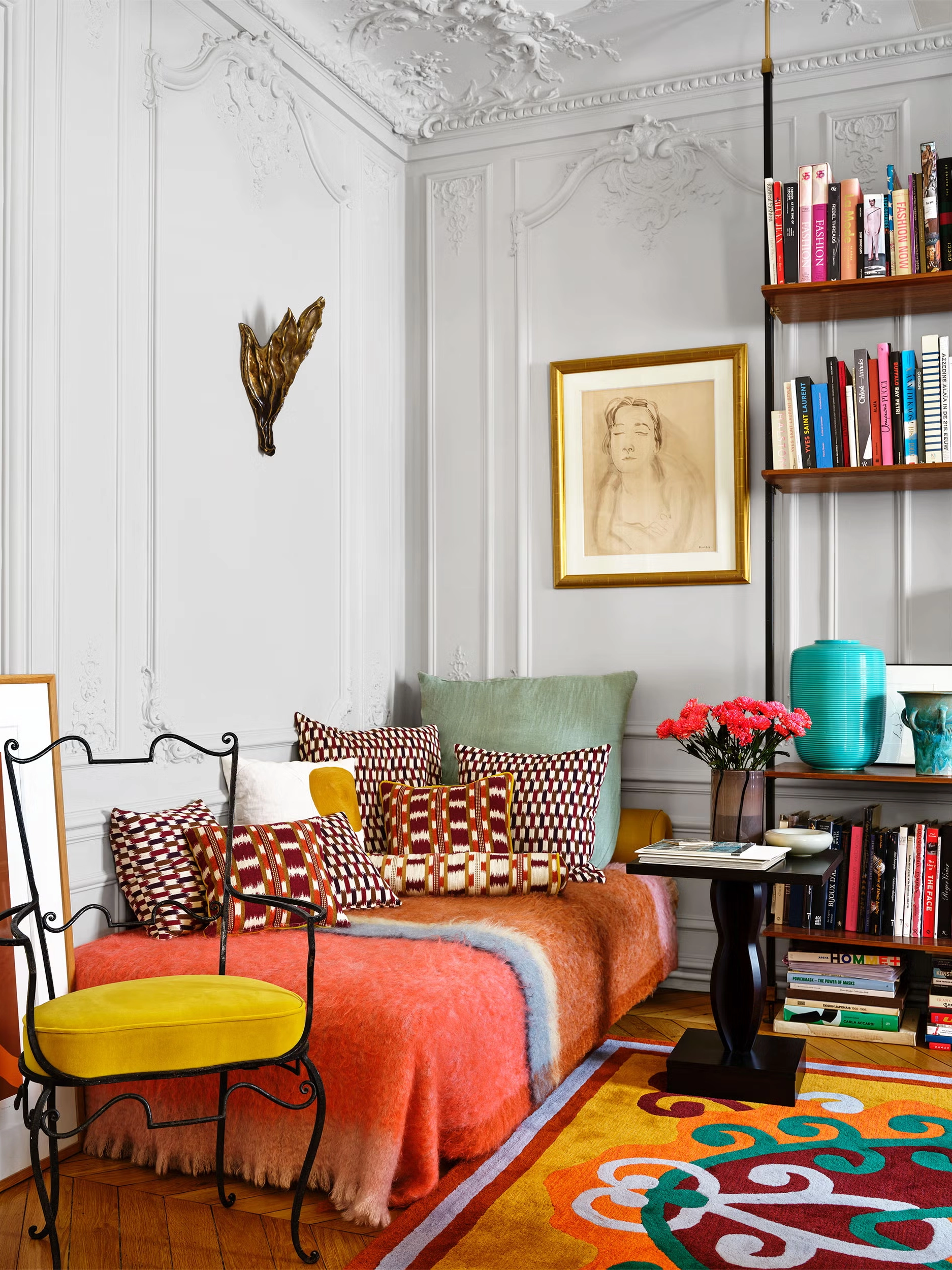
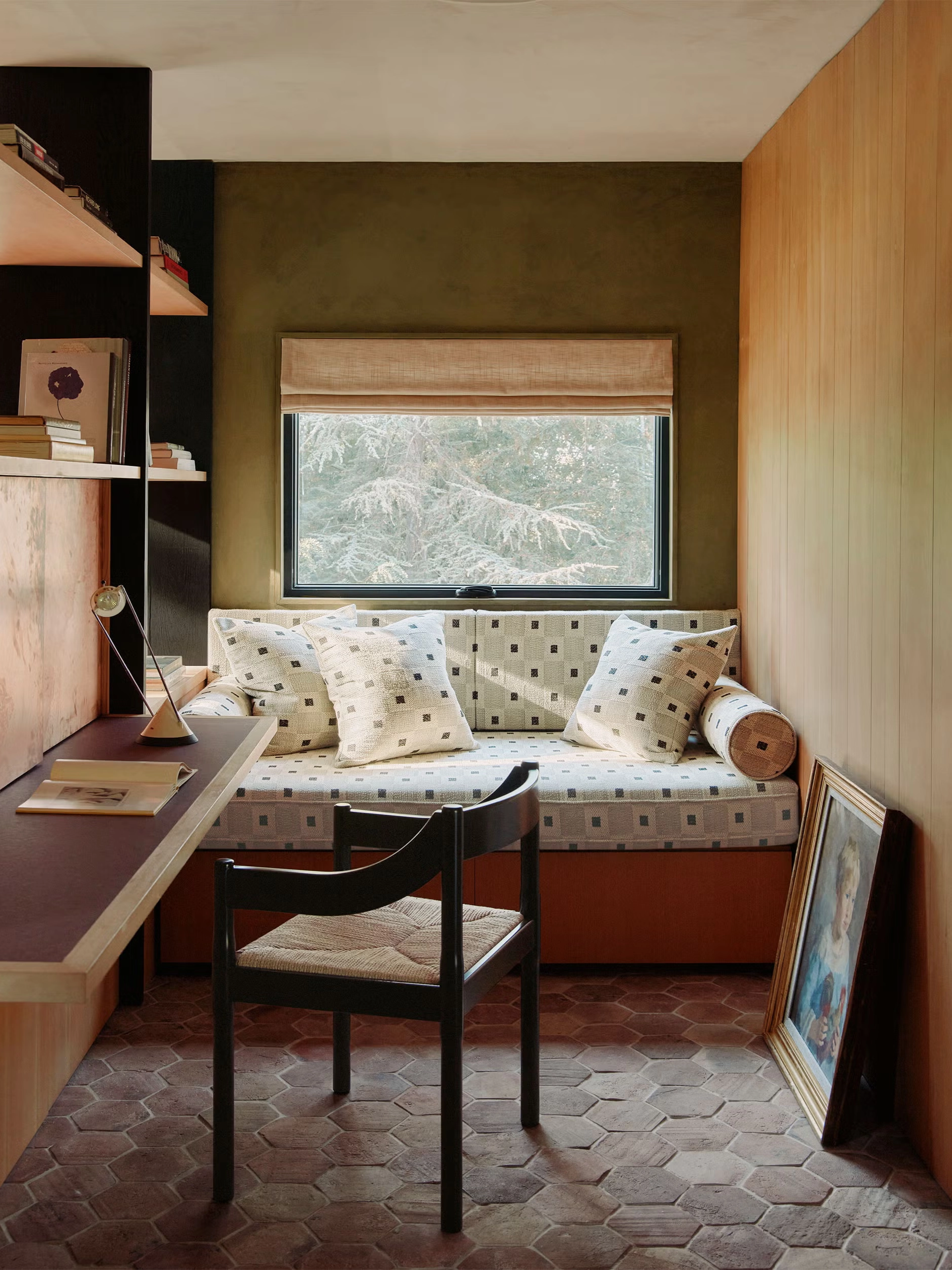
Trevor Tondro (left) & William Jess Laird (right)
Even a single comfortable chair placed near a window can become a retreat if the space around it supports it.
Make it physically softer than the rest of your home.
Your brain responds to texture more than you realise.
Hard surfaces keep you alert. Soft surfaces signal rest.
So if the rest of your home has clean lines and structured furniture, your quiet corner should lean in the opposite direction.
An upholstered armchair, a thick throw blanket, a soft rug underfoot, Linen or bouclé cushions, and curtains that gently filter the light.
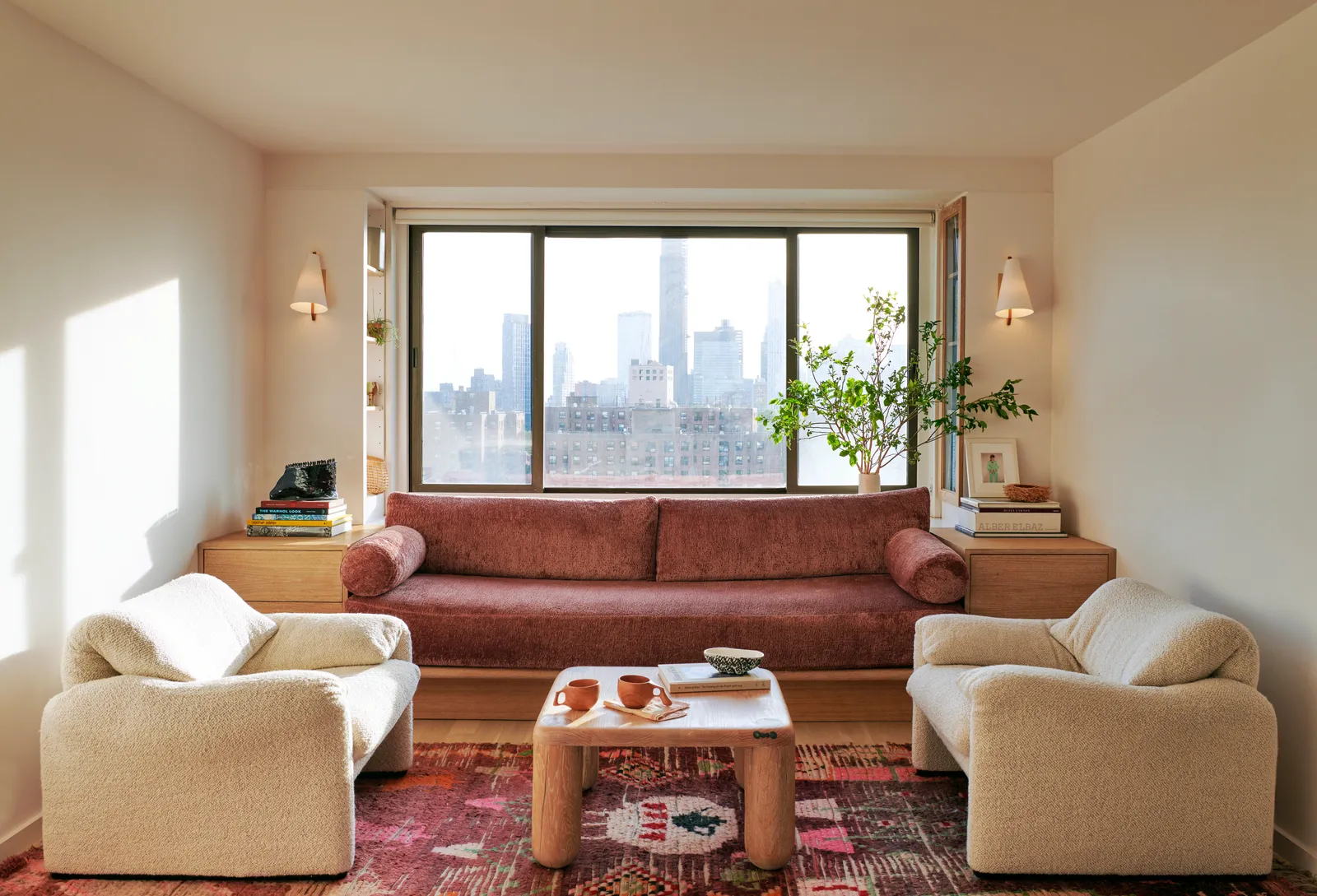
Kyle Knodell
When everything around you feels gentle, your body relaxes faster. It's not complicated, but most people overlook it.
Lower the visual noise.
Most rooms carry a mountain of visual information. Bookshelves, screens, decorative objects, artwork, cables, random bits and pieces everywhere.
Your retreat space should feel visually quieter.
That doesn't mean empty. It means intentional.
A small stack of books, a single piece of art, one plant, and a side table for your cup of tea.
That's enough.
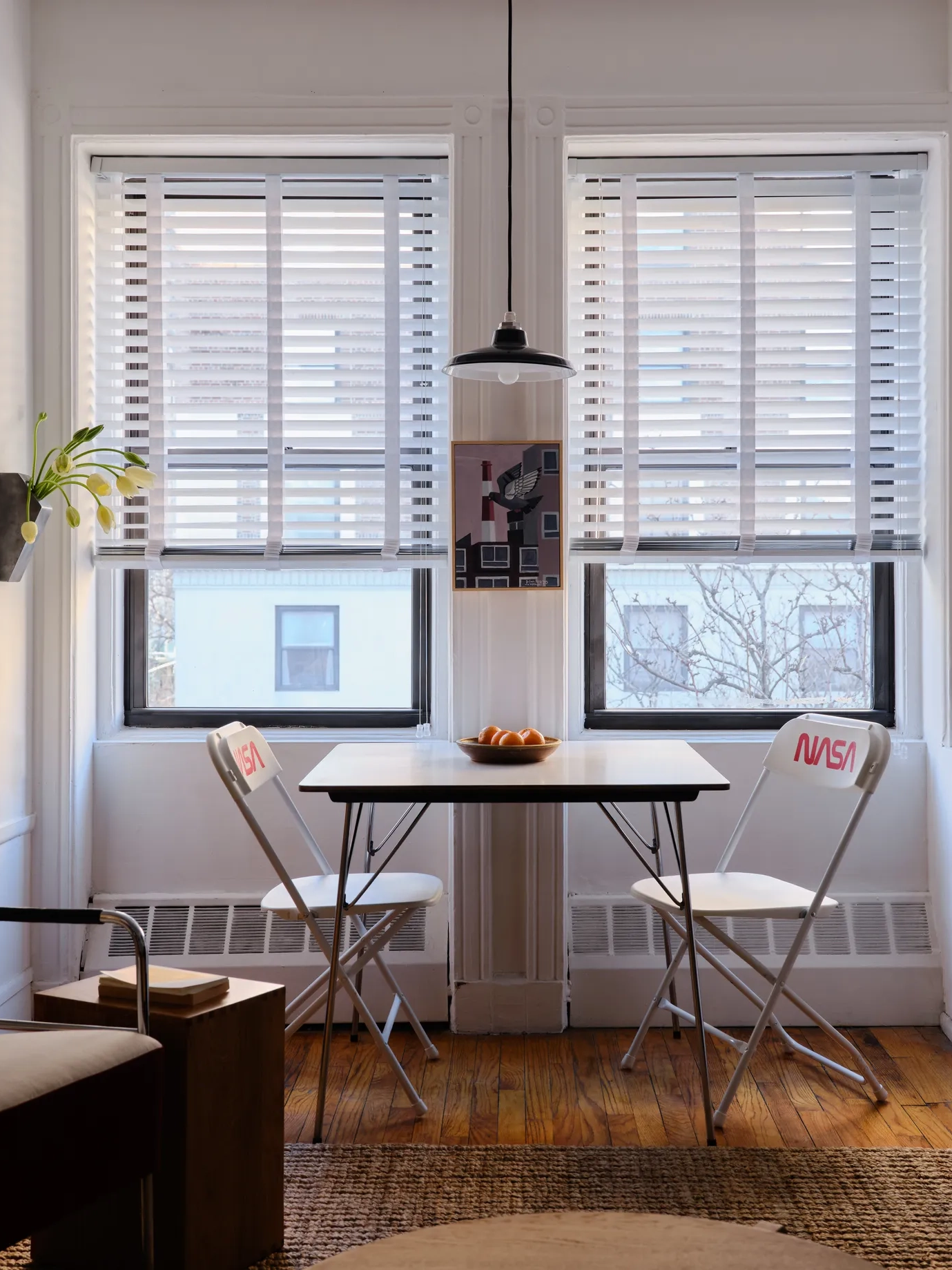
Armando Aguirre (left) & William Abranowicz (right)
Get the lighting right.
Bright overhead lighting is built for tasks — cooking, cleaning, getting stuff done. Retreat spaces need to feel different.
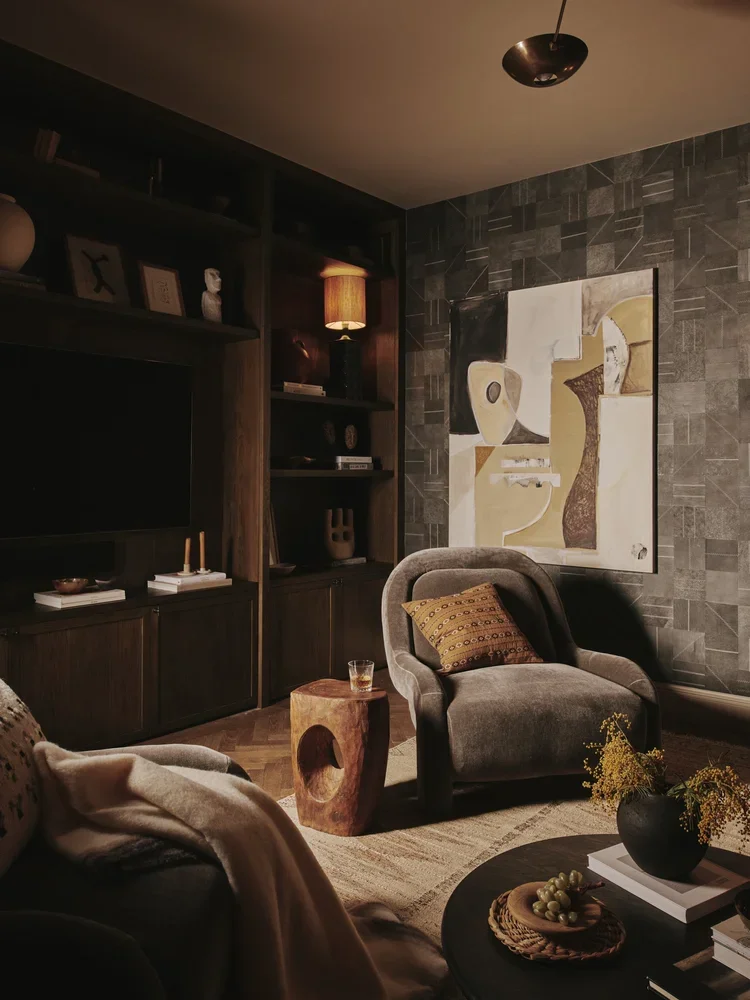
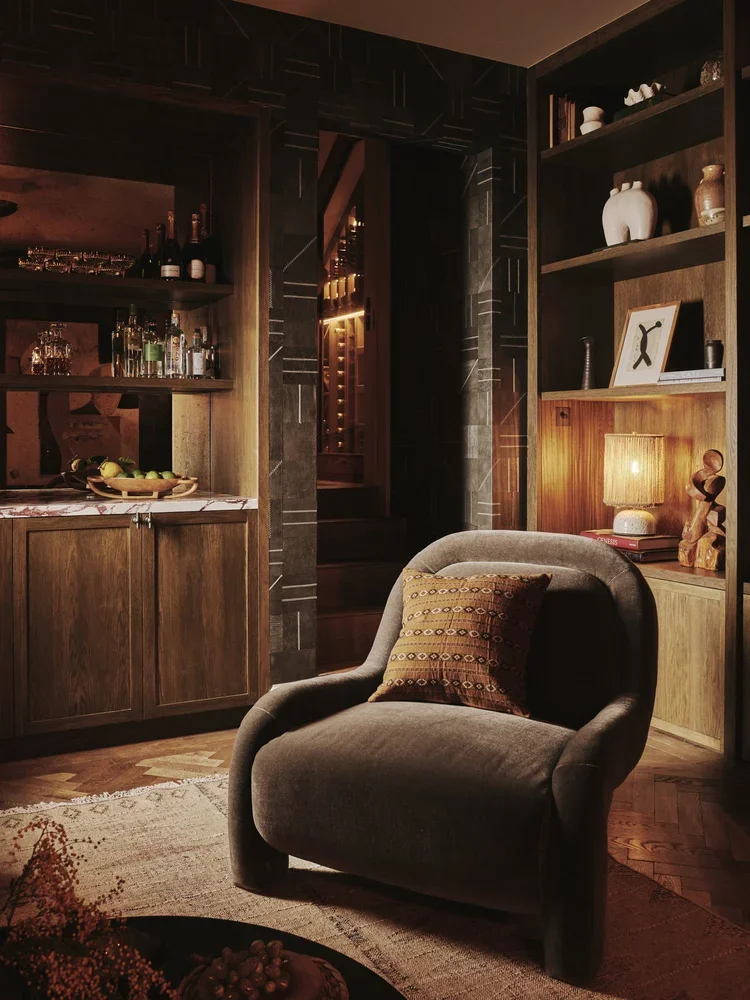
Instead of overhead lights, go for low, warm, directional lighting.
A table lamp beside your chair. A floor lamp with a fabric shade. Wall sconces that wash the walls softly.
Lower lighting naturally slows the body down. It tells your brain: this isn't a place for doing. It's a place for being.
Give it a purpose.
This is the most important part.
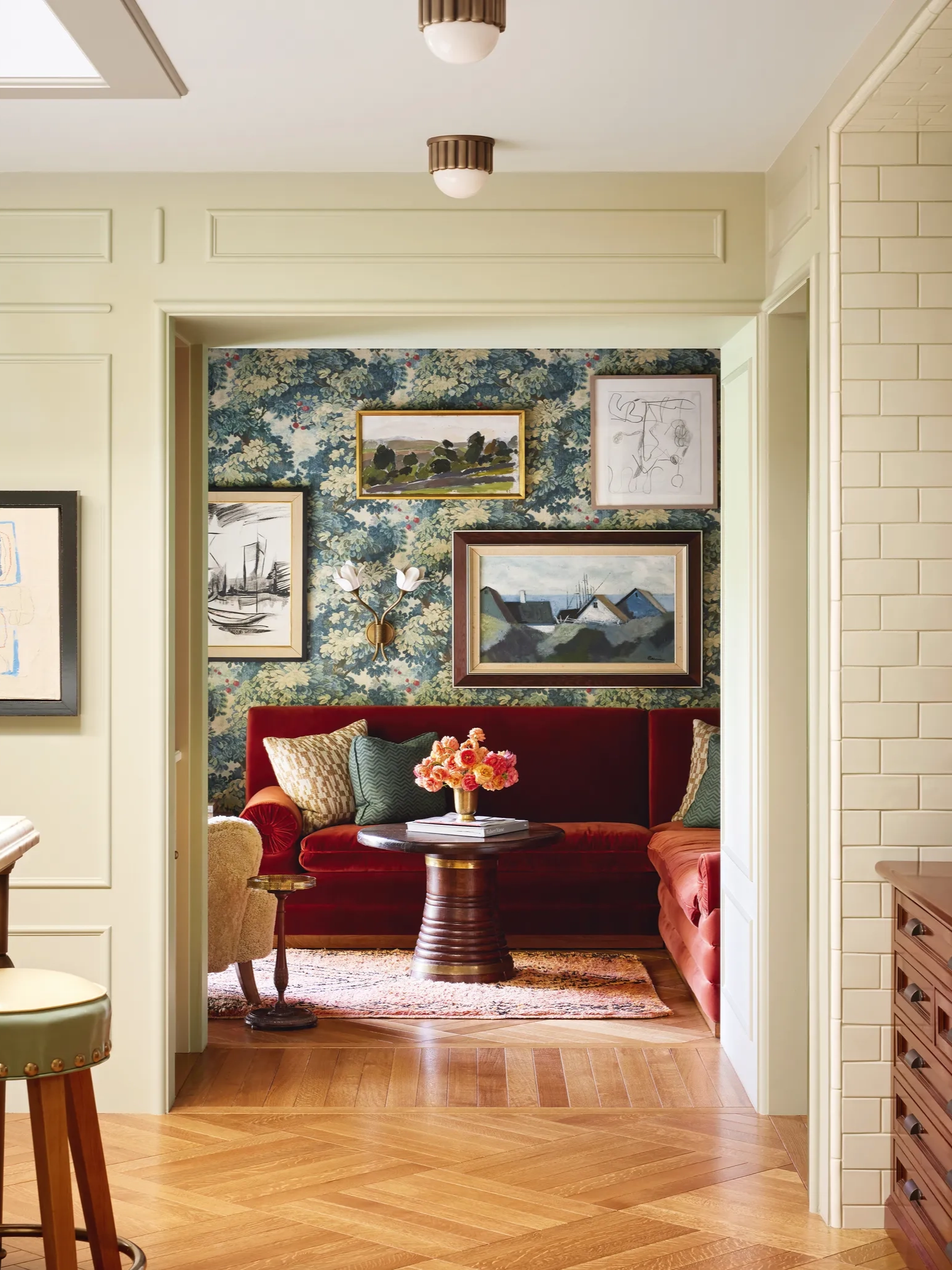
Decide what the space is for. Reading, morning coffee, journalling, thinking, listening to music.
Spaces gain emotional meaning when you use them consistently for the same thing. Over time, your brain starts to associate that spot with the feeling of calm.
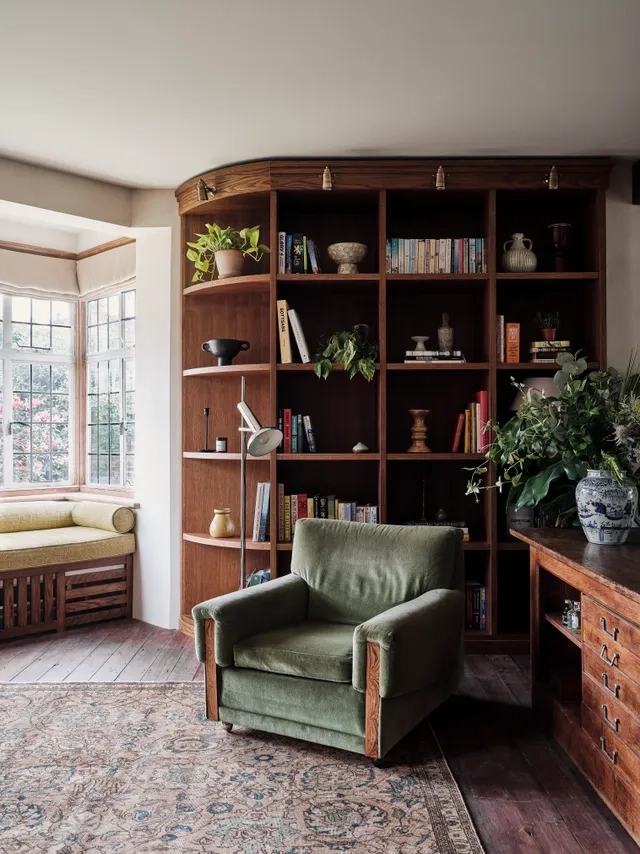
Tim Williams (left) & Dean Hearne (right)
Here's what's interesting about these spaces…
They're rarely large.
Often it's just a chair, a lamp, a small table, and the right placement.
But the impact is huge.
You don't need a renovation. You need a corner with a clear purpose, the right texture, and lighting that doesn't fight you.
Give your brain somewhere to land. Even if it's small.
Cheers,
Reynard