The design lessons hiding in homes across the world
Every culture has its own way of living in a home. And if you look closely, you'll see it.
In the colours on the walls, the textures underfoot, and the way rooms are arranged.
These choices aren’t random. They’re tools to shape mood, movement, and comfort. Sometimes subtly, sometimes dramatically.
In this edition, we’ll explore how different cultures approach colour, texture, and space, and what lessons we can borrow to make our homes feel more intentional, richer, and more alive.
1. Colour as emotion, not decoration
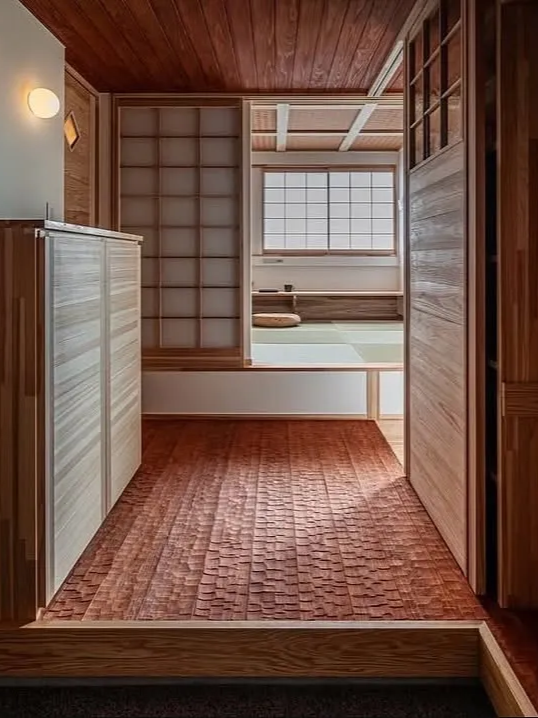
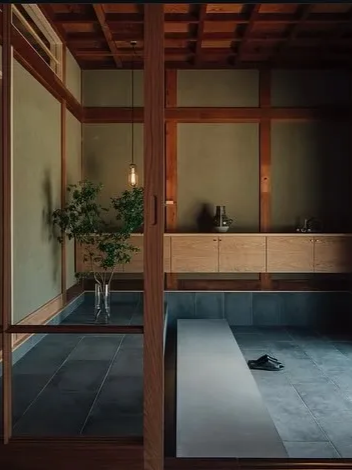
In Japan, muted tones dominate interiors. Soft greys, pale woods, and off-whites aren’t bland.
Rather, they create calm, focus, and a sense of breathing room. A single red or black accent becomes infinitely more powerful in that context.
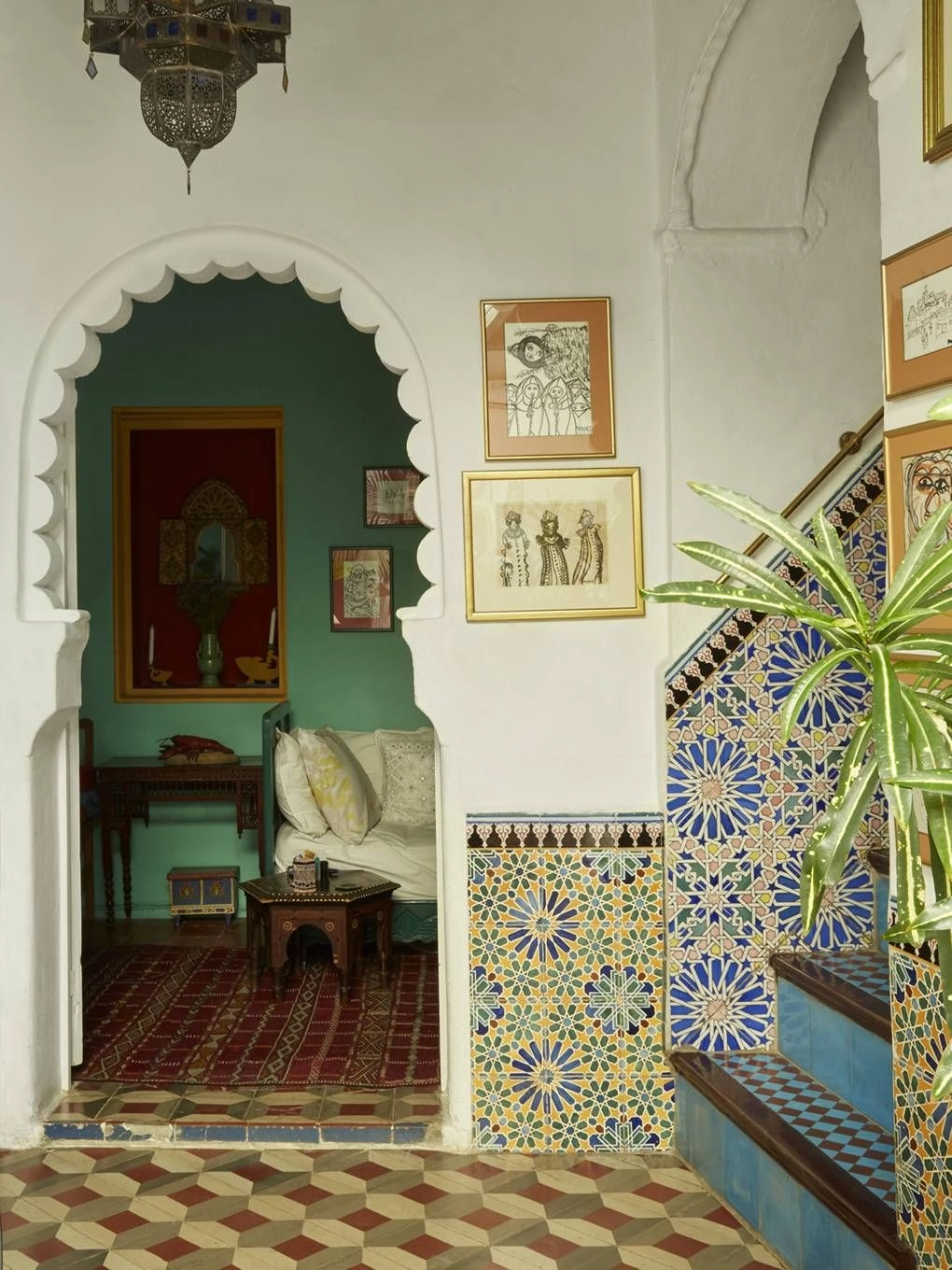
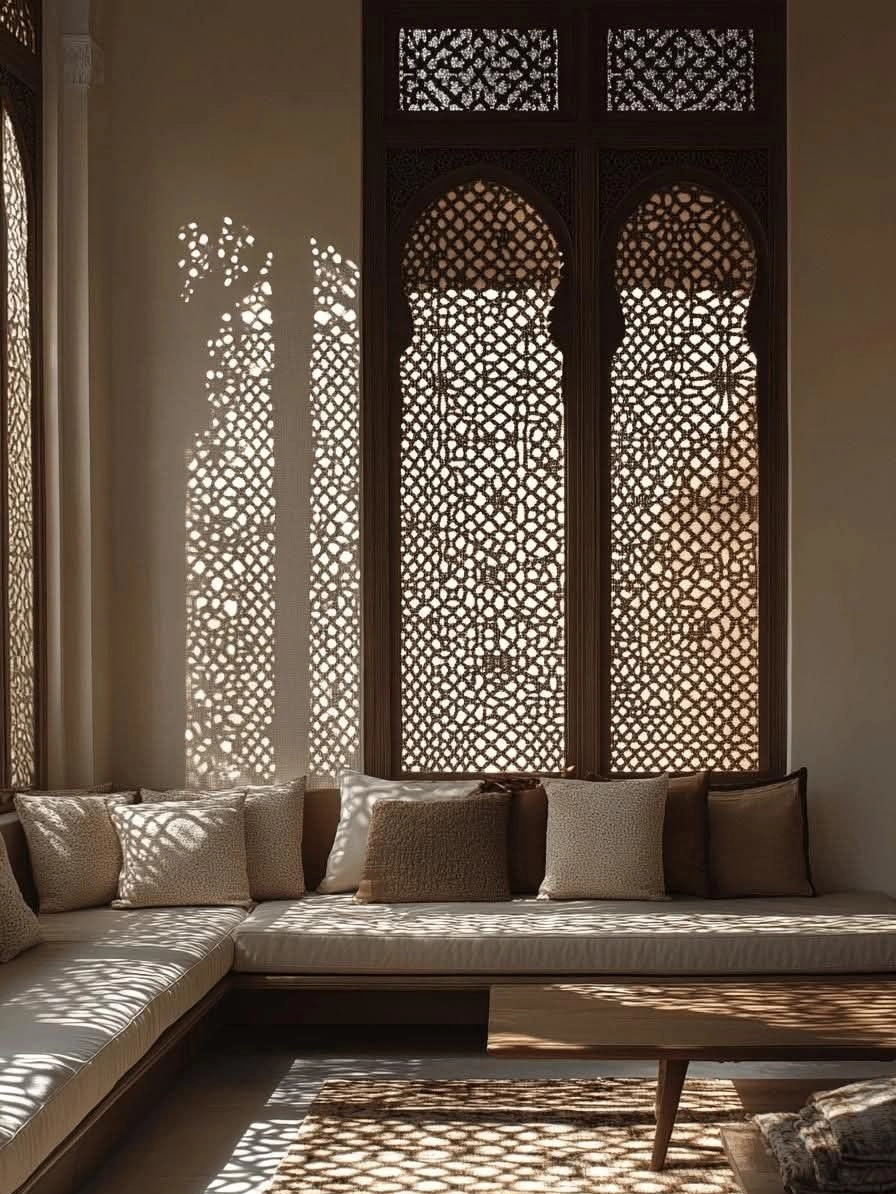
In Morocco, every corner can be a canvas. Vibrant blues, warm oranges, and intricate mosaics don’t fight for attention. Rather, they harmonise, creating an energetic experience.
The lesson is that colour isn’t just about what looks pretty. It sets the emotional tone of your home.
Muted tones → calm, meditative spaces
Rich, saturated palettes → lively, stimulating spaces
Contrasting hues → drama and movement
And colour responses aren't just cultural. They're personal, too.
What feels energising to one person can feel overwhelming to another. What reads as calm and serene to you might feel sterile to your neighbour.
Culture shapes our defaults. But your home should reflect your emotional response, not someone else's.
2. Texture tells a story
Texture is often overlooked in modern minimalism, but it’s how spaces speak to your senses beyond sight.
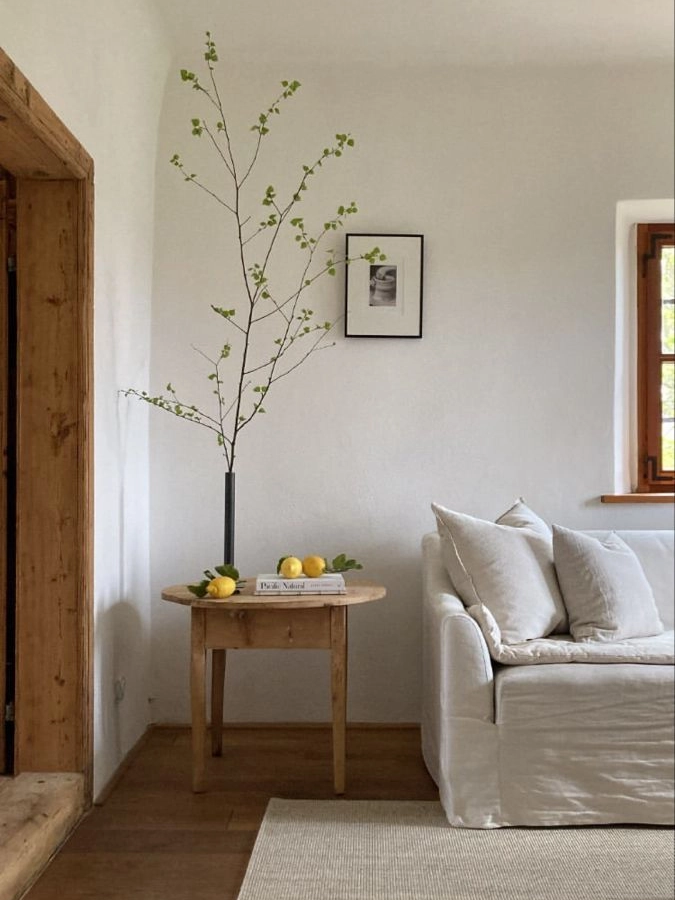
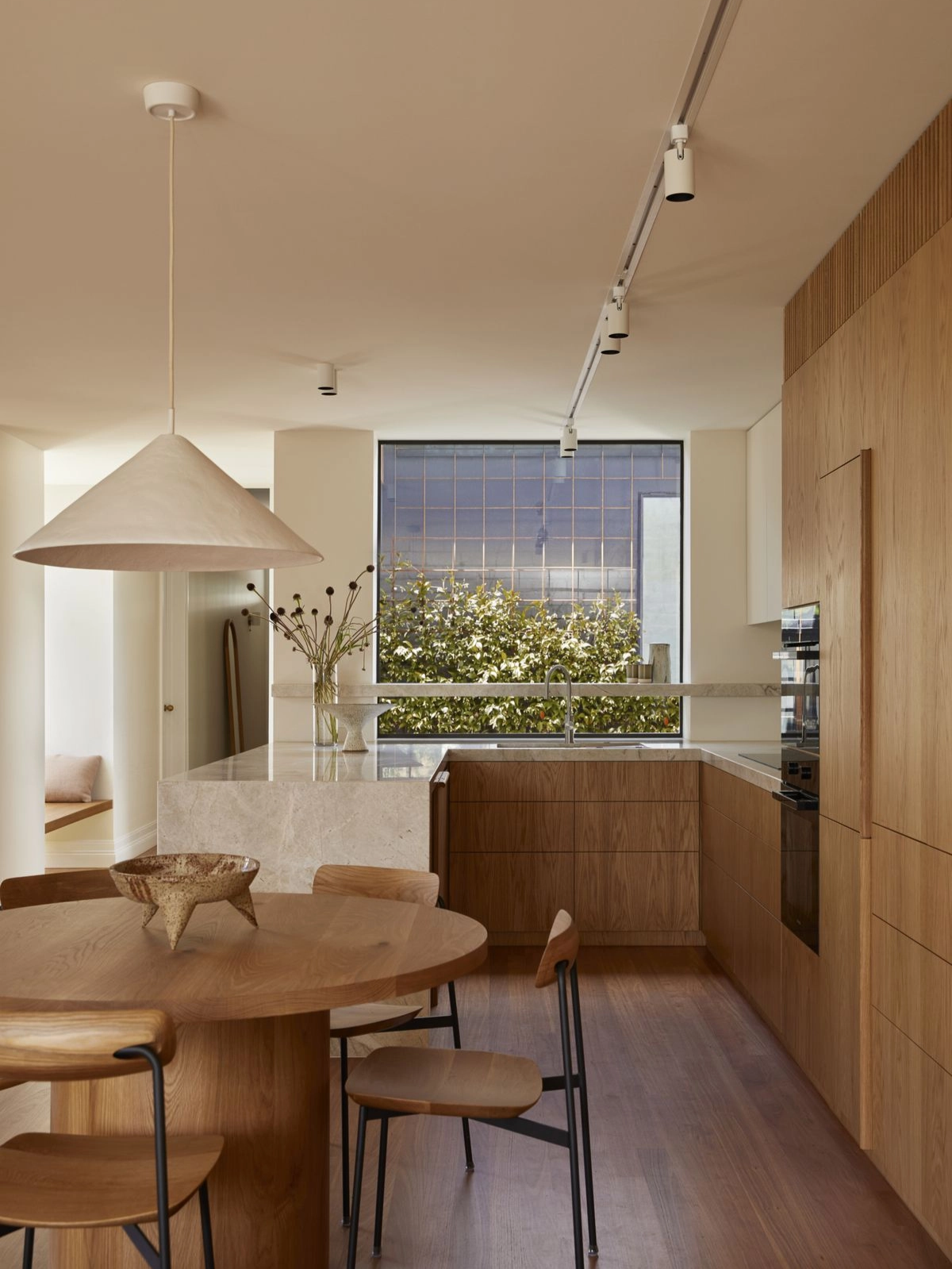
Scandinavian homes favour natural woods, soft wool rugs, and linen fabrics. It’s tactile restraint that creates a cosy, subtle, and quiet feeling.
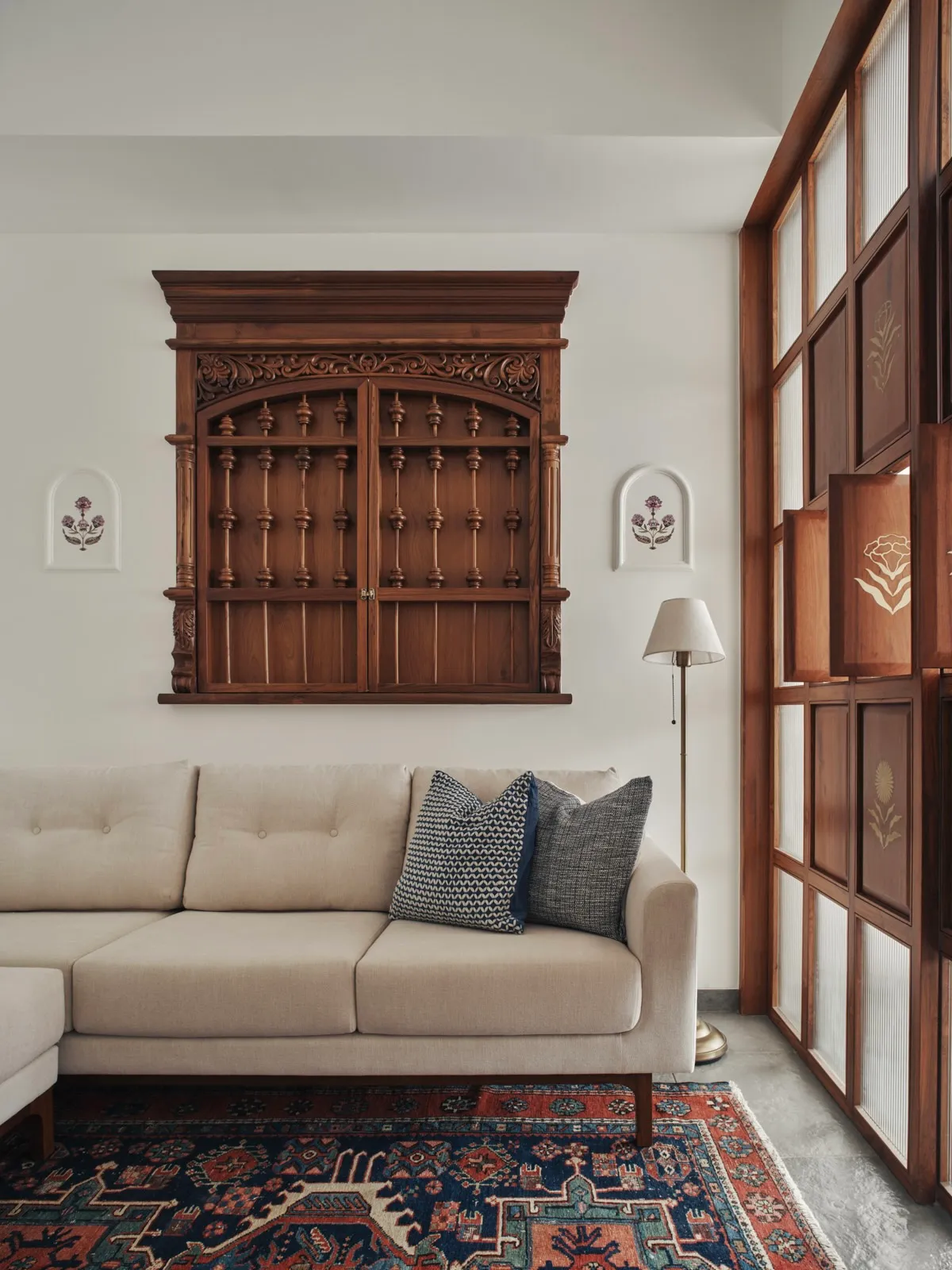
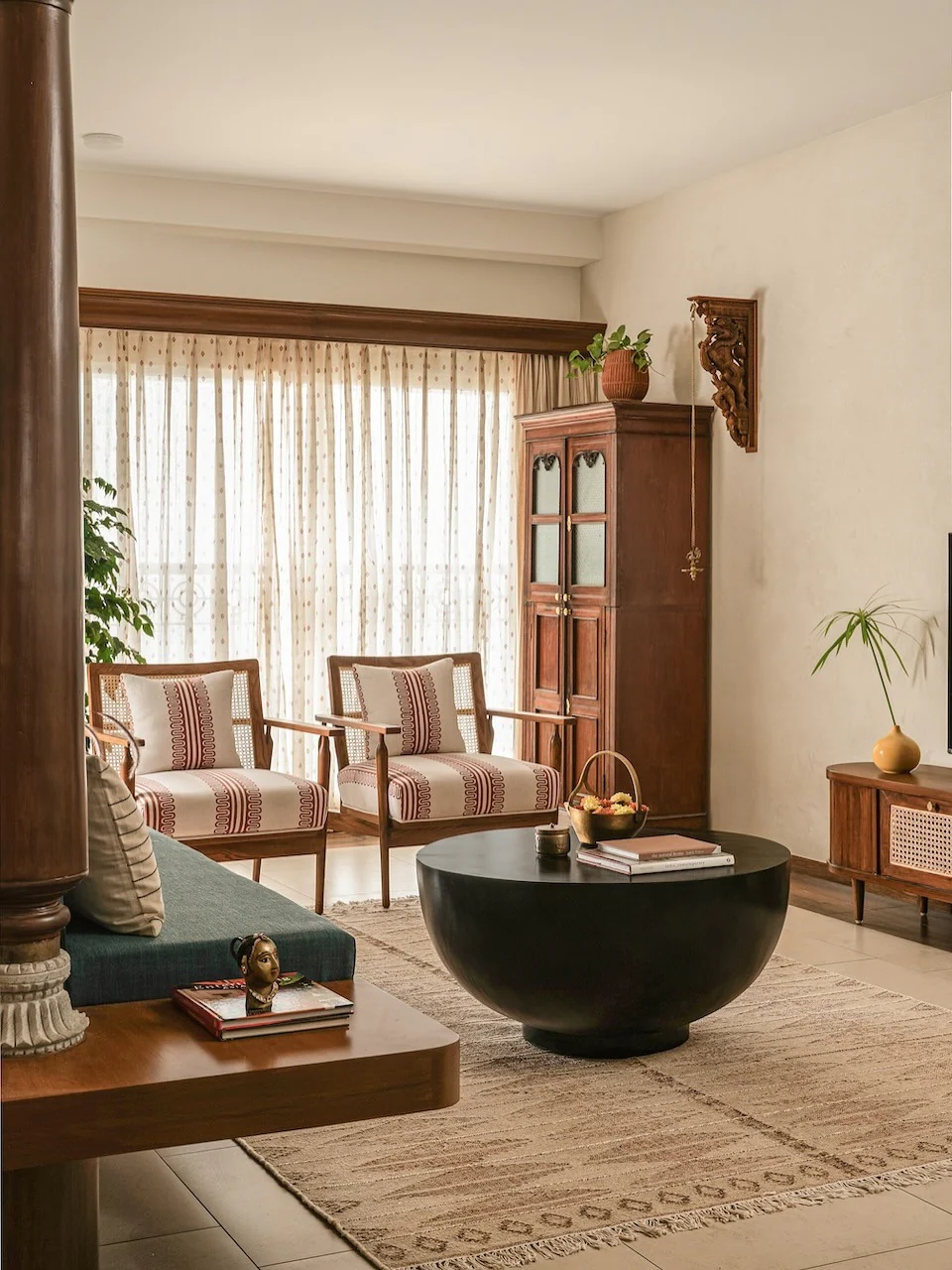
Contrast that with Indian interiors that layer carved wood, embroidered fabrics, and jute rugs. Every surface tells a story. There's a rhythm and richness you feel as much as you see.
Design tip: Mixing texture thoughtfully can transform even a small apartment. Maybe that’s a soft velvet sofa, a smooth ceramic vase, or a rough brick wall. You don't need all the textures, just enough contrast to give your room some life.
3. Balance boldness and restraint
One universal truth I’ve noticed is that cultures that embrace bold colour or pattern always pair it with restraint somewhere else.
A Moroccan room may explode with pattern, but the ceilings or floors will be neutral, letting the walls breathe.
A Japanese space may be austere, but a single textured screen, a wooden beam, or a dramatic plant becomes the focal point.
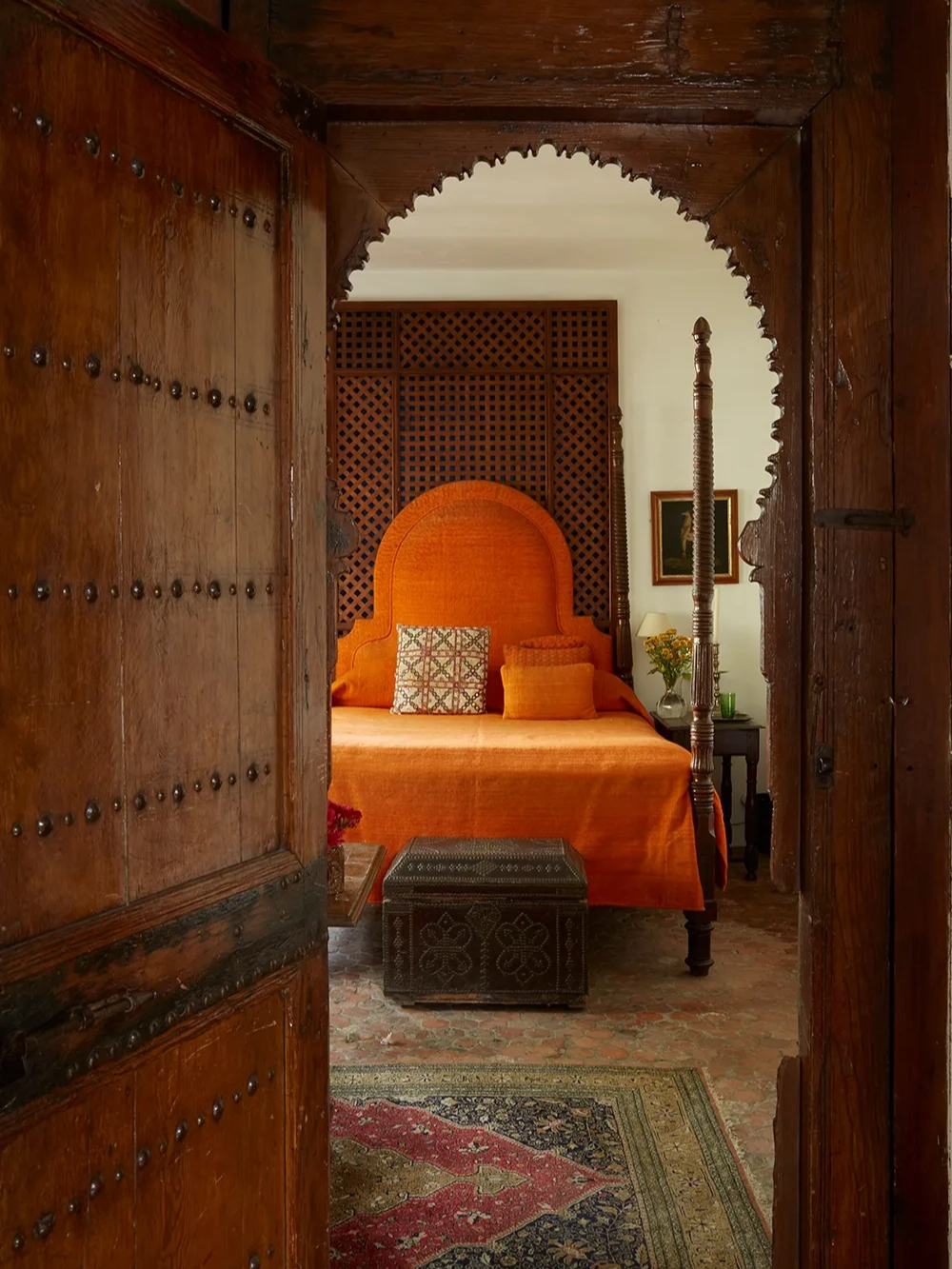
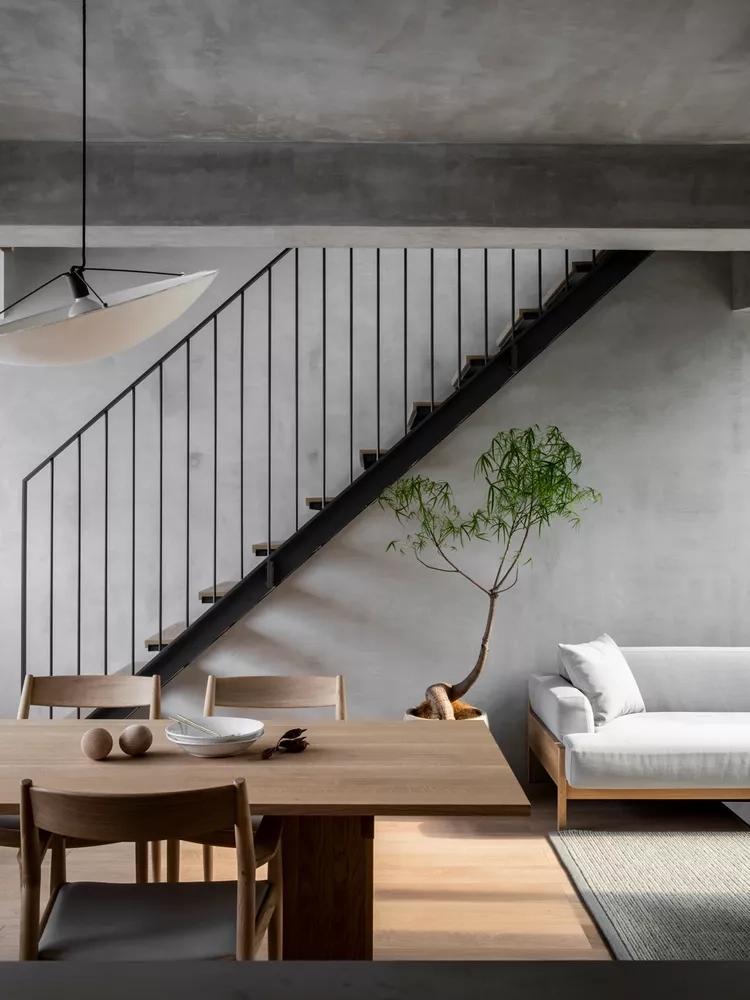
Boldness works best when it’s intentional, not accidental. Your eye needs a place to rest.
4. Space is cultural, not just physical
How we arrange space reflects how we live.
In Italian homes, rooms often flow into one another. Open plans encourage conversation, family meals, and connection.
In traditional Japanese interiors, minimalism is a philosophy. Open floor space allows flexibility, encourages mindfulness, and makes small areas feel expansive.
In Middle Eastern homes, you often see zones like intimate seating for guests, larger central areas for gatherings, and outdoor courtyards for transition.
Now, these are broad strokes. Every culture has its nuances, regional differences, and evolving tastes.
But the point is this: different cultures have developed fundamentally different ideas about what makes a space feel right.
What feels open and inviting in one tradition might feel bare and unfinished in another. What feels rich and layered somewhere might feel cluttered to someone else.
There's no single "correct" answer. But studying how others approach design forces you to question your own assumptions, and that's where better design decisions come from.
This is also a great reminder that the size of your house isn't what's important. Proportion, circulation, and intention matter more than square footage. These are all things that help you create that high-end look, and you can find out more in this video:
Colours, textures, and space aren't just decoration. They're invisible cues that shape how we feel at home. And the more intentional we are with them, the richer our everyday experience becomes.
Cheers,
Reynard