What interiors from 100 years ago can teach us today
Interiors have changed dramatically over the last century.
But the most interesting part isn’t the styles that came and went. It’s the design ideas that keep working. Ideas about layout, simplicity, personality, and materials.
If you look closely, each decade left behind a lesson that still applies today.
Here are a few worth borrowing.
The 1920s mastered bold design
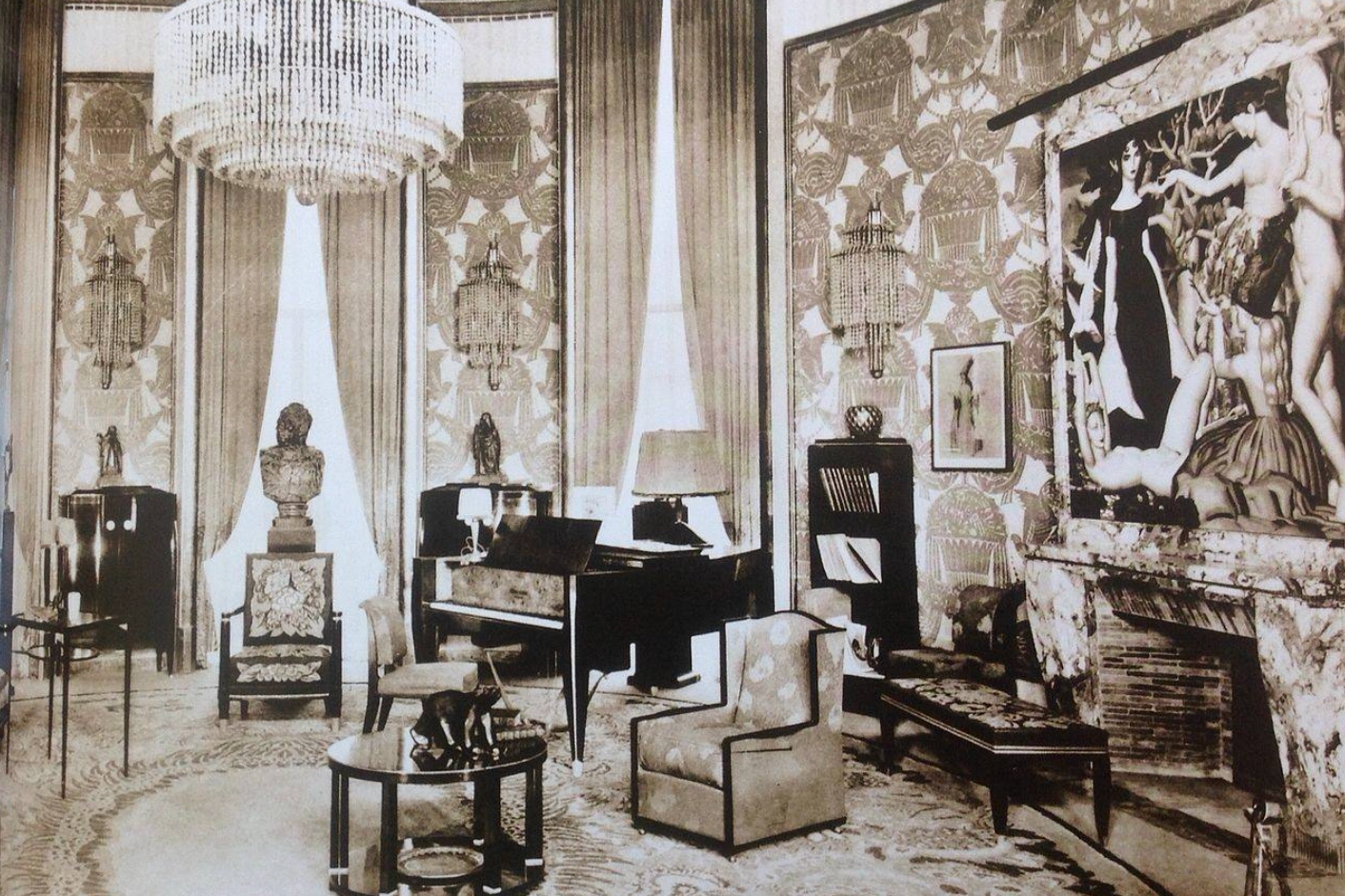
Salon of the Hotel du Collectionneur at the 1925 Paris International Exposition of Decorative Arts
After the war, the 1920s didn’t go quietly. They went bold.
The rise of Art Deco brought sharp geometry, mirrored finishes, strong contrast, and stepped architectural forms inspired by skyscrapers and new technology.
It was dramatic but not in a chaotic way.
Everything was repeated, shapes were echoes, and materials were limited and consistent.
That’s why it still works in 2026.
The lesson? If you want impact, create order first.
Repeat one metal finish throughout the room. Echo curves or angles across multiple pieces.
Anchor bold elements with symmetry.
Impact without order is just noise.
The 1930s showed that less can feel calmer
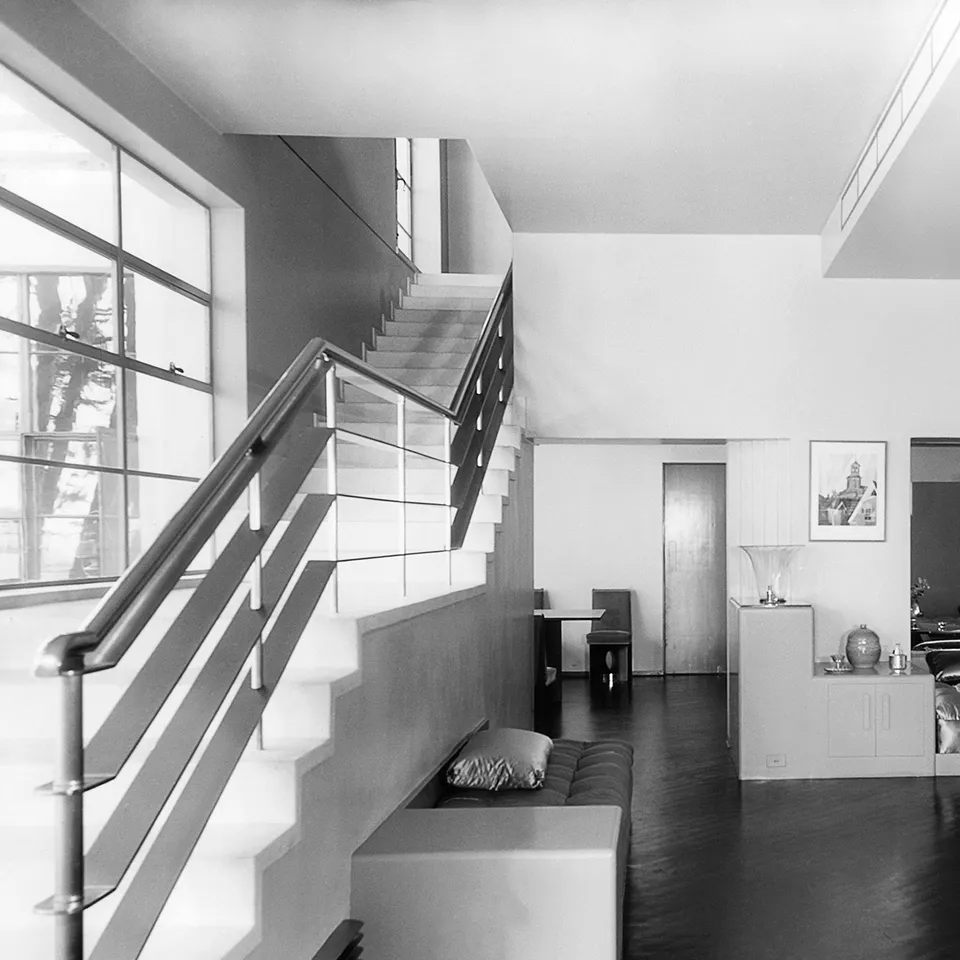
Set designer Cedric Gibbons created this house in 1930 for himself and Dolores del Río in Los Angeles.
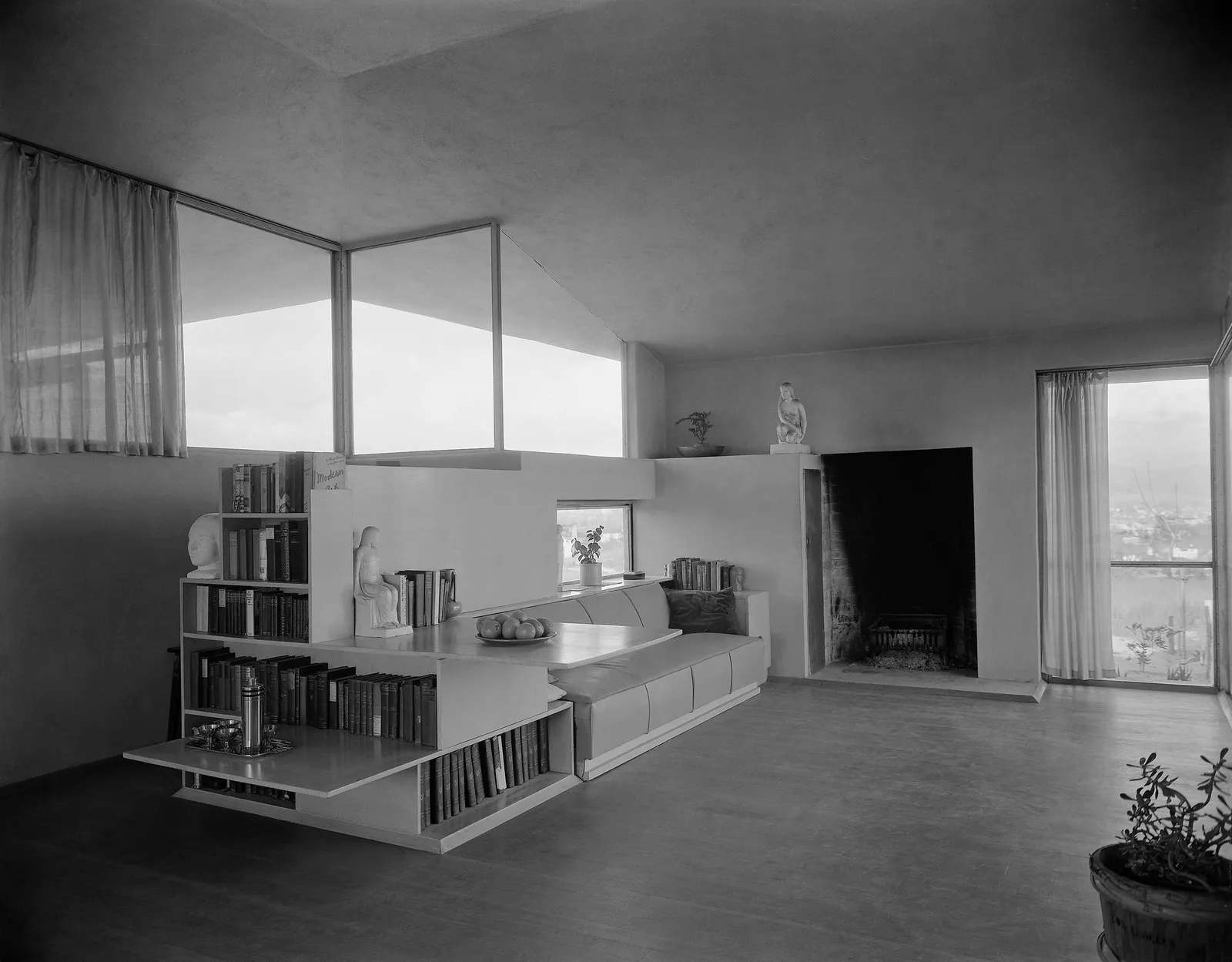
Rudolph Schindler designed this living area in 1933 for Stephanie and William Oliver’s home in Los Angeles.
When the Great Depression hit, homes became quieter. They had fewer objects and layouts opened up simply because there was less in them.
It wasn’t a design movement. It was an economic reality. But it worked psychologically because in times of uncertainty, visual calm matters.
If your space feels too busy right now, remove before you add.
Clear one surface completely. Increase the negative space between furniture. Reduce competing colours in a single room.
Calm interiors happen by editing. Not shopping.
The 1940s made homes practical
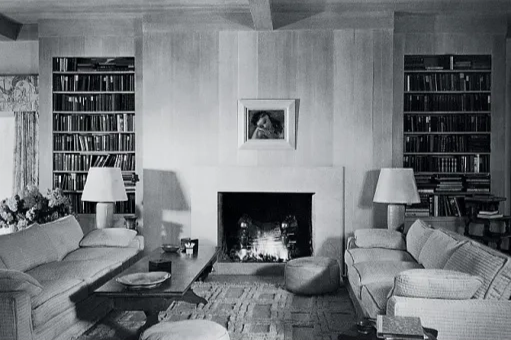
During the war years, materials were rationed, and furniture became simple. Pieces were designed to last and use minimal resources.
Function was the priority. Full stop.
The lesson here still hits hard: prioritise usefulness over decoration.
Choose furniture that serves more than one purpose. Prioritise durability over trendy materials. Fix or refresh pieces before replacing them.
It’s something a lot of us have forgotten.
The 1950s proved that layout shapes behaviour
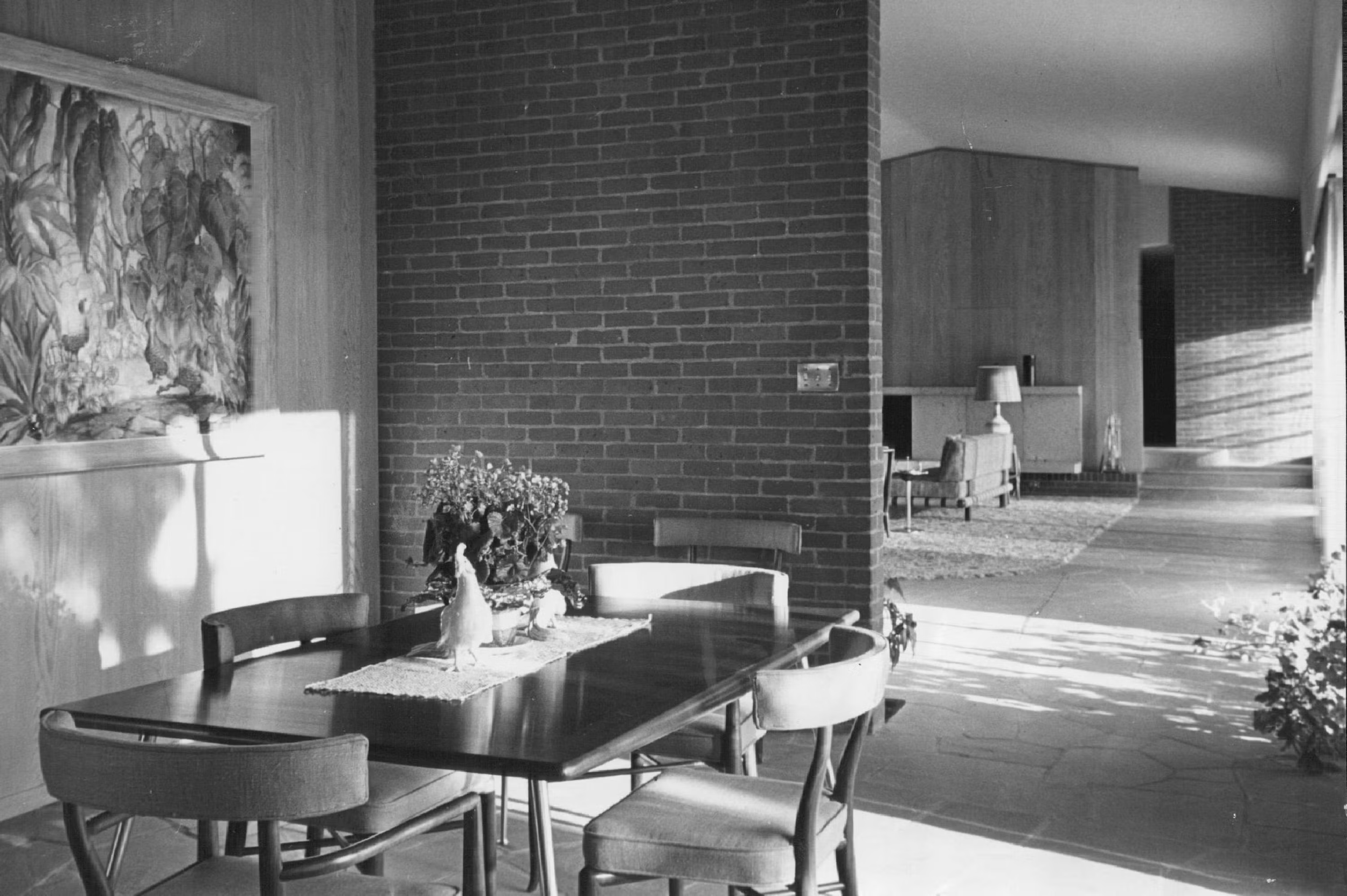
Post-war homes shifted the way people lived. There were open-plan layouts, bigger windows, and furniture designed for everyday use rather than purely display.
Designers like Charles Eames helped bring functional, well-proportioned modern furniture into ordinary homes.
Rooms are also starting supporting real life like cooking while talking, supervising homework, and hosting friends.
Sound familiar? In 2026, many of us will still work from home. The way a room flows affects your mood, focus, and relationship more than your cushion covers ever will.
So fix the flow before finishes.
Does seating encourage conversation? Can you move through the space without obstruction? Is natural light reaching your most-used areas?
Good layout is invisible. But you feel it every single day.
The 1960s proved personality belongs in design
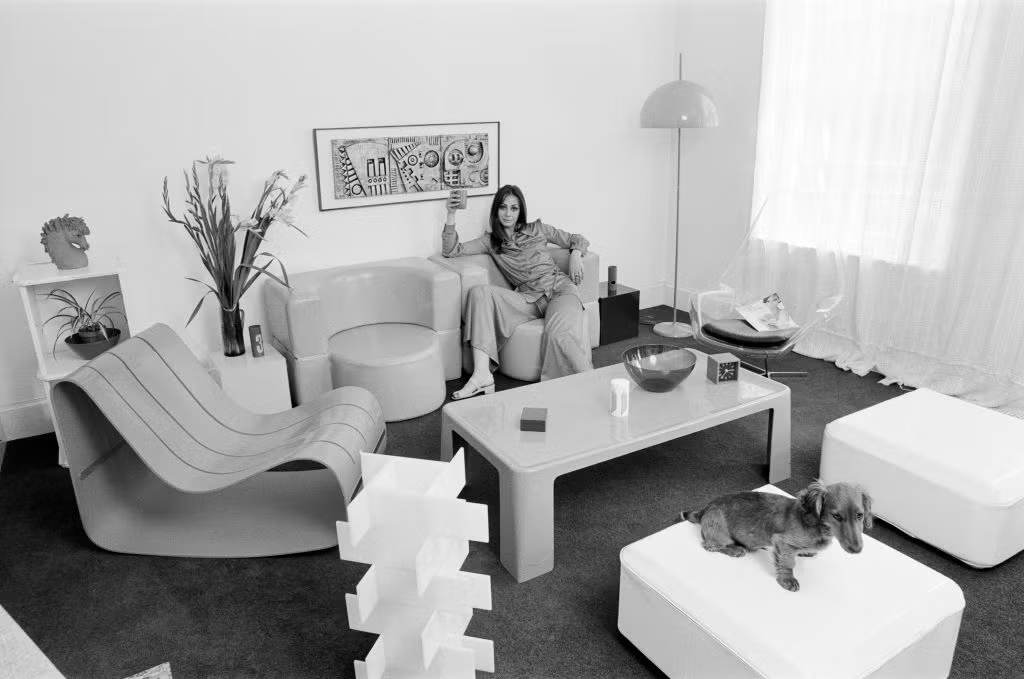
1960s homes experimented with bright colour, graphic prints, plastic, lucite, bold upholstery, open shelving, floating staircases, and split-level homes.
There was a cultural shift happening with youth identity, counterculture, and individuality. The interiors reflected it.
For the first time, homes were about self-expression.
That’s why the decade still matters. Not because you need a lava lamp, but because spaces feel better when they reflect the person living in them.
Stop designing for resale. Start designing for reality.
Choose one colour or pattern you genuinely love, not just one that feels safe.
Add something slightly unexpected. Art. A sculptural chair. A bold fabric.
Your home should look like you live there. Not like you're staging it for a stranger.
The 1970s brought nature indoors
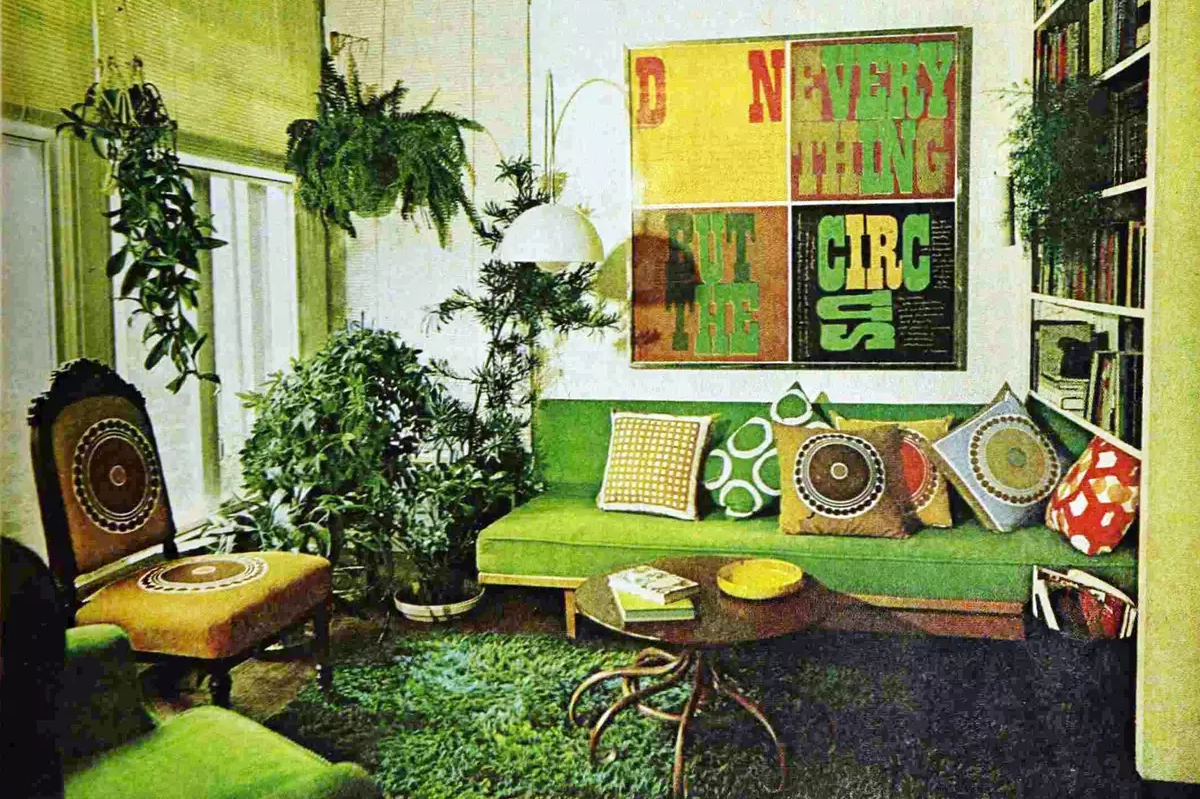
The first Earth Day in 1970 reflected a deeper cultural turn toward the natural world.
People started to bring more plants into their homes.
When the outside world feels chaotic, bring grounding elements inside.
Add real plants. Choose materials that age rather than peel. Introduce texture that feels organic.
👇 Watch this video for home features we NEED to bring back!
Cheers,
Reynard